• 2 min read
UK startup turns sewage pumps into a battery test
UK startup Rheya Labs is pairing instant sewage-pump backup batteries with predictive software to prevent spills during power failures.
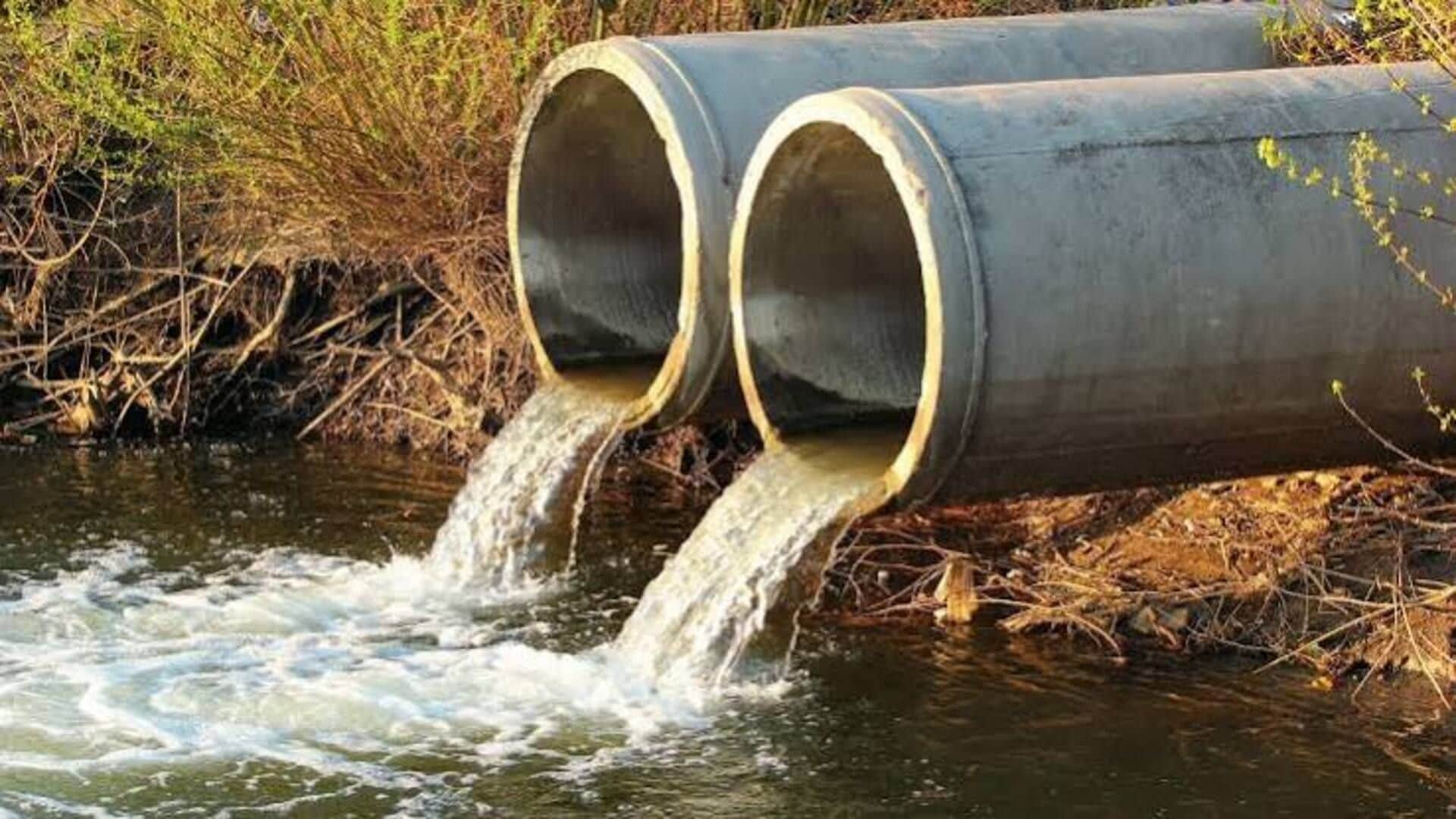
Image: TechRadar
UK startup Rheya Labs is developing backup batteries that keep sewage pumping stations operating during power cuts, while software monitors pump data for faults that could trigger spills.
The company is one of 20 finalists in Ofwat’s £7.5 million Water Discovery Challenge, run through the Water Innovation Fund. Each finalist receives up to £100,000 in seed funding from the wider pot, which will be distributed over 20 months.
How Rheya’s sewage battery system works
Power failures at pumping stations can turn an otherwise routine blackout into an environmental incident. When pumps stop, untreated sewage can spill into rivers and streets. Heavy rainfall, overloaded systems, and ageing infrastructure are also common causes.
England recorded around 290,000 sewage discharges from storm overflows during 2025, lasting roughly 1.9 million hours across the network.
Rheya’s batteries are designed to take over instantly when the grid fails, keeping pumps running. The company is also applying machine learning to pump data in an effort to identify the underlying causes of spills before they happen.

Recommended reading
Solar windows harvest indoor light and sunlight
Co-founder Ben Taylor said pollution from sewage remains an “ever-growing crisis” across the UK, with power resilience at pumping stations representing a hidden but significant contributor.
How Rheya compares with other backup systems
Other utilities are testing battery technologies for pumping infrastructure. Sydney Water has trialled a 30-kWh sodium-ion battery at its Bondi pumping station, supported by rooftop solar and a $10.6 million grant. In New York, Viridi’s 150-kWh lithium-ion system replaced diesel generators and provides between 32 and 90 hours of backup power.
Rheya’s distinction is the combination of instant backup power and predictive analytics. However, its claims have not yet been independently verified in public trials, and early results remain anecdotal.
“With our rapidly changing climate, it is more vital more than ever that we double down on our efforts to create a water system able to support lives and livelihoods,”
Jolly added that the challenge is turning the finalists' ideas into practical results with the urgency required. Up to 10 finalists, potentially including Rheya, will share £550,000 each next April for further testing before wider deployment across the water network.
Whether Rheya’s predictive software can match the reliability of simpler sodium-ion and lithium-ion systems will determine if its approach moves beyond early pilots.

Frontier Editor
Dan is our resident futurist, covering electric mobility, space exploration, and the smart home. He's interested in atoms just as much as bits. Whether it's a new battery chemistry, a reusable rocket, or a protocol that finally makes IoT devices talk to each other, Dan breaks down the engineering that pushes humanity forward.
via TechRadar