• 3 min read
Google’s next smart-home hub should be a Pixel Tablet
Google may launch a new Home Display, but a detachable Pixel Tablet successor could be a more capable Gemini-powered smart-home hub.
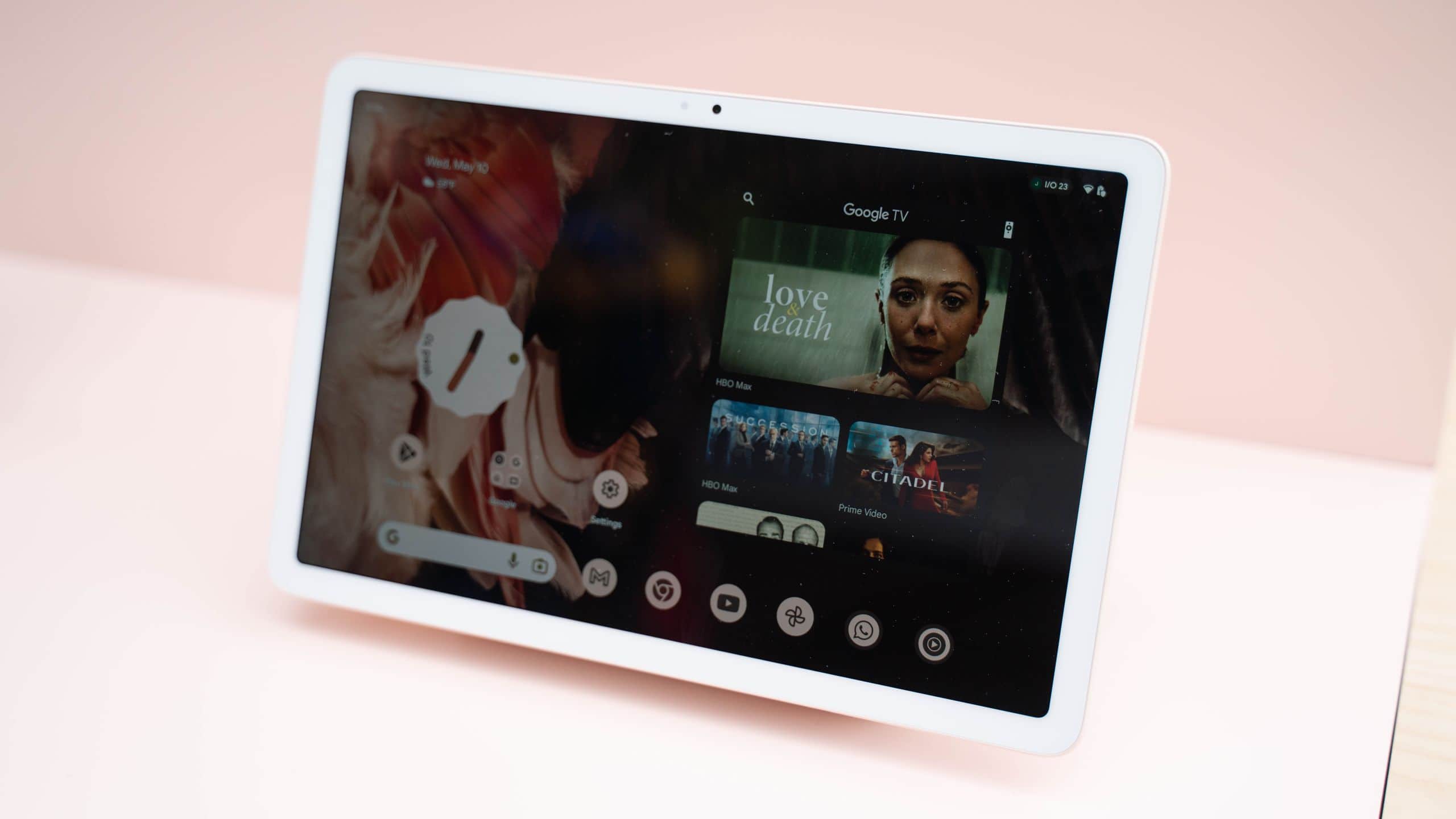
Image: TechRadar
Google appears to be preparing another smart-home display, but a fixed screen may be the wrong direction for 2026. A better option would be a successor to the 2023 Google Pixel Tablet—a device that combines a home hub with a fully portable Android tablet.
Google has not officially announced a new smart display. However, Anish Kattukaran, Google Home’s chief product officer, said last year that the company remained committed to the category, particularly as Gemini expands across Google’s products.
“If you think about the properties of a smart display: a microphone, which means audio in, a speaker, so audio out. It’s got a screen, which complements a voice modality, you can interact with it and visualize information.”
“As I see where Gemini for Home is going and Gemini more broadly, all of the things Google is investing in building, for me it feels like almost the ultimate form factor to be able to deliver a really great home experience. So, that’s why we are going to continue to invest in that category, so I think it’s going to be awesome.”
Why the Pixel Tablet is a better home hub
The Pixel Tablet is essentially a full Android tablet designed to live around the house. Its battery life is not especially strong, and it lacks a SIM card slot, but those limitations matter less when the device stays within home Wi-Fi range or near its dock.
Recommended reading
Dreame stacks two air-fryer chambers to save space
Its key advantage is mobility. The screen lifts off the magnetic speaker dock, allowing it to move from room to room rather than remaining a single, fixed unit.
The tablet can control lights, switches, robot vacuums and cameras, but it also has access to the full Google Play Store. Its 10.95-inch display can run a web browser, Netflix, YouTube and other apps. A front-facing camera also makes it suitable for Zoom calls from the sofa.
The author uses a Pixel Tablet on a kitchen table as both a smart-home controller and a second TV, streaming BBC iPlayer and playing music through YouTube Music. The tablet’s built-in speaker is described as tinny, but the speaker in the dock sounds richer and more balanced.
When detached, the tablet can display a recipe on the kitchen counter, then return to the sofa for light controls or a Duolingo session. That flexibility is unavailable on a conventional Google Home Display. The problem is that the Pixel Tablet is now discontinued.
What a 2026 Pixel Tablet would need
A new model would need Gemini pre-installed, support Thread border routing, and offer a stronger speaker capable of matching the new Google Home Speaker. Its existing 2,560 × 1,600-pixel display is already respectable; the larger Amazon Echo Show 11 has a 1,920 × 1,200-pixel resolution.
Weight is less of a concern for a device intended to move around the home rather than travel outside it. Price is more pressing. The original Pixel Tablet launched at $499 / £599 / AU$899, a substantial cost for something that can function as a smart display. A lower price would be especially welcome because users would need a Google Home Premium subscription to get the most from Gemini.
Google could still introduce a roaming Google Home Tablet. But Apple appears to favor multiple screens distributed around the home, while Amazon’s affordable Echo devices make it easier to place one in every room.

Frontier Editor
Dan is our resident futurist, covering electric mobility, space exploration, and the smart home. He's interested in atoms just as much as bits. Whether it's a new battery chemistry, a reusable rocket, or a protocol that finally makes IoT devices talk to each other, Dan breaks down the engineering that pushes humanity forward.
via TechRadar