• 2 min read
Roscosmos tests modem that survives power loss
Roscosmos tested the AT-Gonets satellite modem, which restarts after power loss without losing data and is about six times smaller than its predecessor.
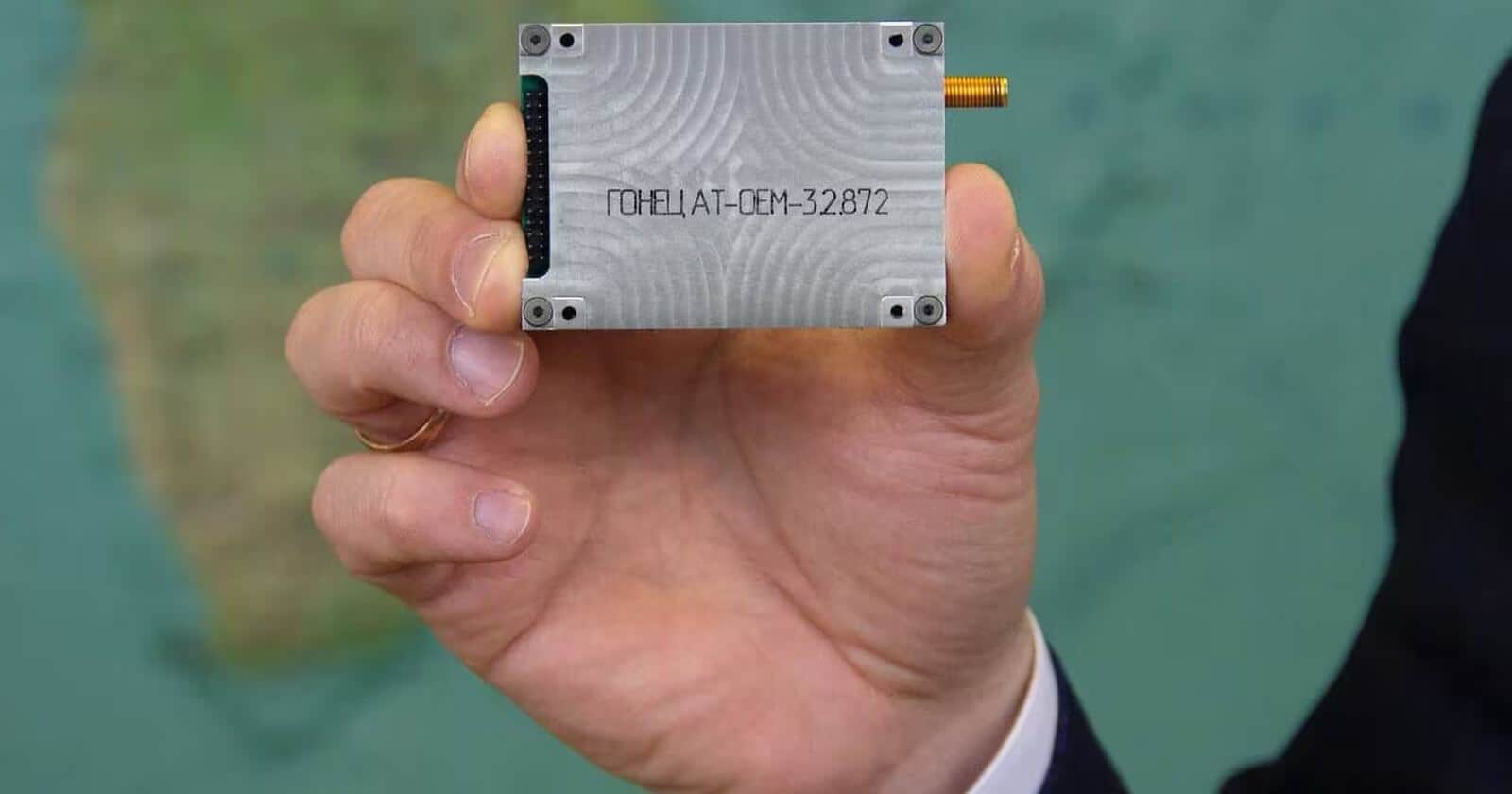
Image: ITzine
Roscosmos has completed tests of the AT-Gonets satellite modem, which continues transmitting data after a complete power loss. The device is being developed for communications in areas without cellular coverage, with serial production identified as the next step.
Tests took place in Moscow with specialists from Gonets Satellite System and STEKKOM. Engineers repeatedly switched the modem off and on. Each time, it restarted without manual configuration and retained all messages queued for transmission.
During the trials, the modem handled data packets ranging from 10 bytes to 20 kilobytes. According to the developers, every message arrived without errors. The new device is also approximately six times smaller than its predecessor.

Recommended reading
Rosatom advances 10 MW mini reactor for Chukotka
What the AT-Gonets modem does
The modem’s key feature is its ability to recover from a power interruption without losing data or requiring an operator to restore its settings. That is a significant requirement for satellite equipment installed at remote sites, where outages are common and manual intervention may be difficult.
Its smaller enclosure should make it easier to install in vehicles, sensors, industrial cabinets, and other equipment where space is limited. The primary use cases are short messages and telemetry, including data from remote facilities, transport, and industrial machinery.
Russia’s satellite IoT market
Satellite IoT competes less with mobile networks than with the absence of any terrestrial connection. Potential demand comes from the mining, logistics, and energy sectors, as well as Russia’s northern regions.
The Gonets project has long sought a position in the market for small satellite terminals and data links. In this segment, reliability, equipment cost, and coverage beyond terrestrial networks matter more than speed.
Globally, Iridium, Inmarsat, and Globalstar hold significant positions in satellite communications. Starlink is also increasingly mentioned in connection with IoT: it currently focuses on broadband access but is gradually expanding its services for remote connections.
For Roscosmos, the next challenge is moving beyond laboratory testing to serial manufacturing and integrating AT-Gonets into real industry projects. The modem’s ability to restore operation after repeated power failures will be tested in the field, where remote telemetry and transport systems cannot depend on cellular coverage.

Frontier Editor
Dan is our resident futurist, covering electric mobility, space exploration, and the smart home. He's interested in atoms just as much as bits. Whether it's a new battery chemistry, a reusable rocket, or a protocol that finally makes IoT devices talk to each other, Dan breaks down the engineering that pushes humanity forward.
via ITzine