• 2 min read
Starlink Mini 2 reportedly adds a built-in battery
A reported leak says Starlink Mini 2 will add a built-in battery, shrink slightly and retain GPS and in-motion operation.
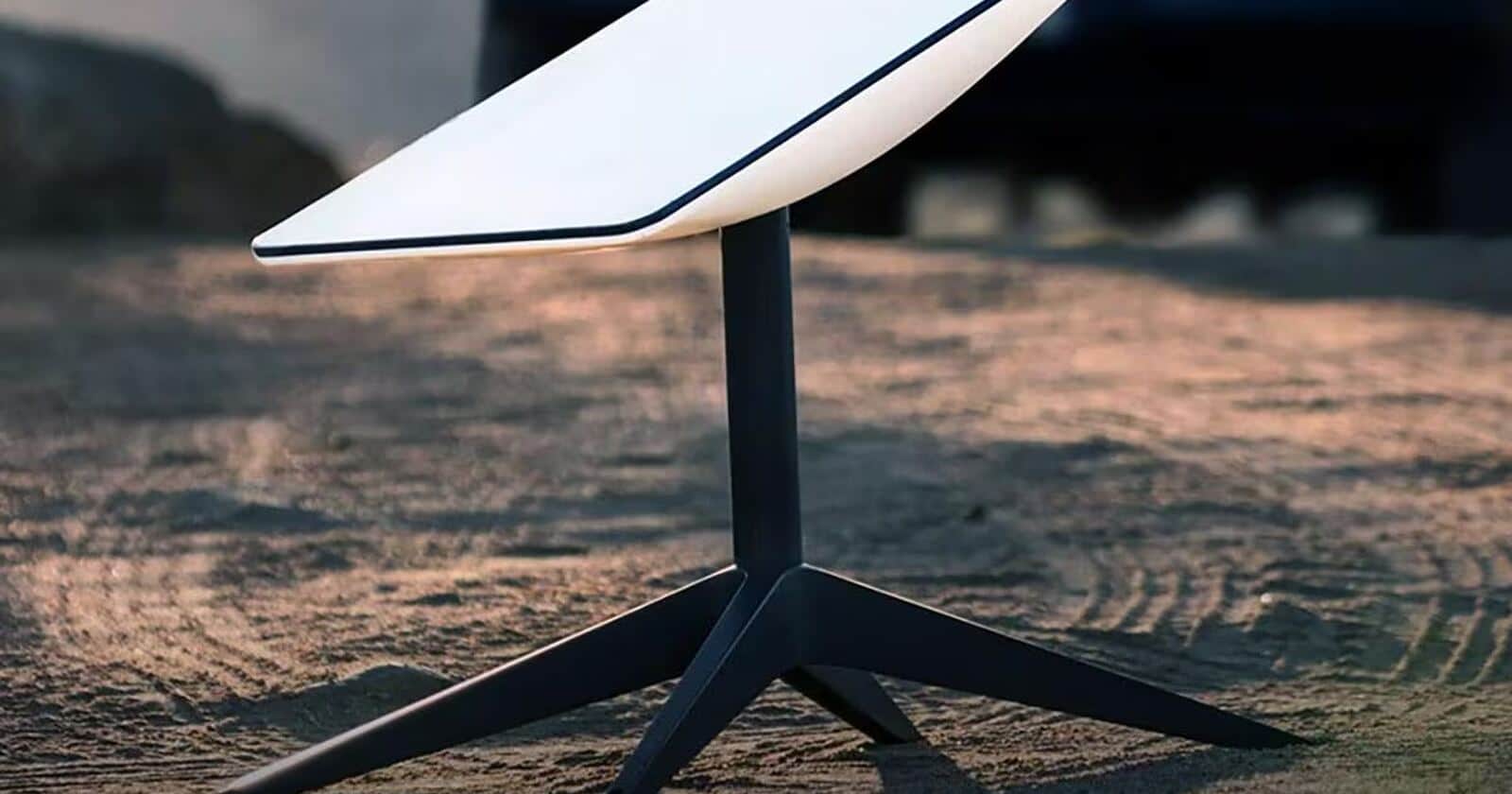
Image: ITzine
SpaceX is preparing a second-generation compact Starlink Mini terminal, and a reported leak points to one major change: a built-in battery. If confirmed, the Mini could operate without external power for the first time, making it more practical in mobile settings.
The Starlink Mini 2 is also expected to be slightly smaller, with a simplified internal antenna array. The leaked specifications are:
- Internal antenna size: 225 × 273 mm, compared with 236 × 276 mm
- Antenna elements: 549, down from 571
- Platform: SpaceX’s Catapult SoC, with the same underlying architecture
- Battery: four-cell lithium battery using a BQ40Z controller
- Power: USB-C Power Delivery charging at 11–24 V
- GPS and in-motion operation: retained
The changes may look modest, but compact satellite terminals are often judged by portability rather than headline speed. Starlink Mini 2 could eliminate some of the extra boxes, cables and generators needed for travel or temporary connection points.
HughesNet and Viasat remain more focused on fixed installations, while newer satellite-internet providers tend to target corporate customers or narrower niches. That gives even a limited increase in autonomy potentially more practical value than another speed boost.
Thermal limits and battery life
The leak also describes changes to the thermal behavior. SpaceX reportedly raised the processor-throttling threshold to 95–99°C, while the battery will shut down at 80°C. The distinction matters for a small terminal operating in a hot car or outdoors, where temperature headroom can affect connection stability.
Recommended reading
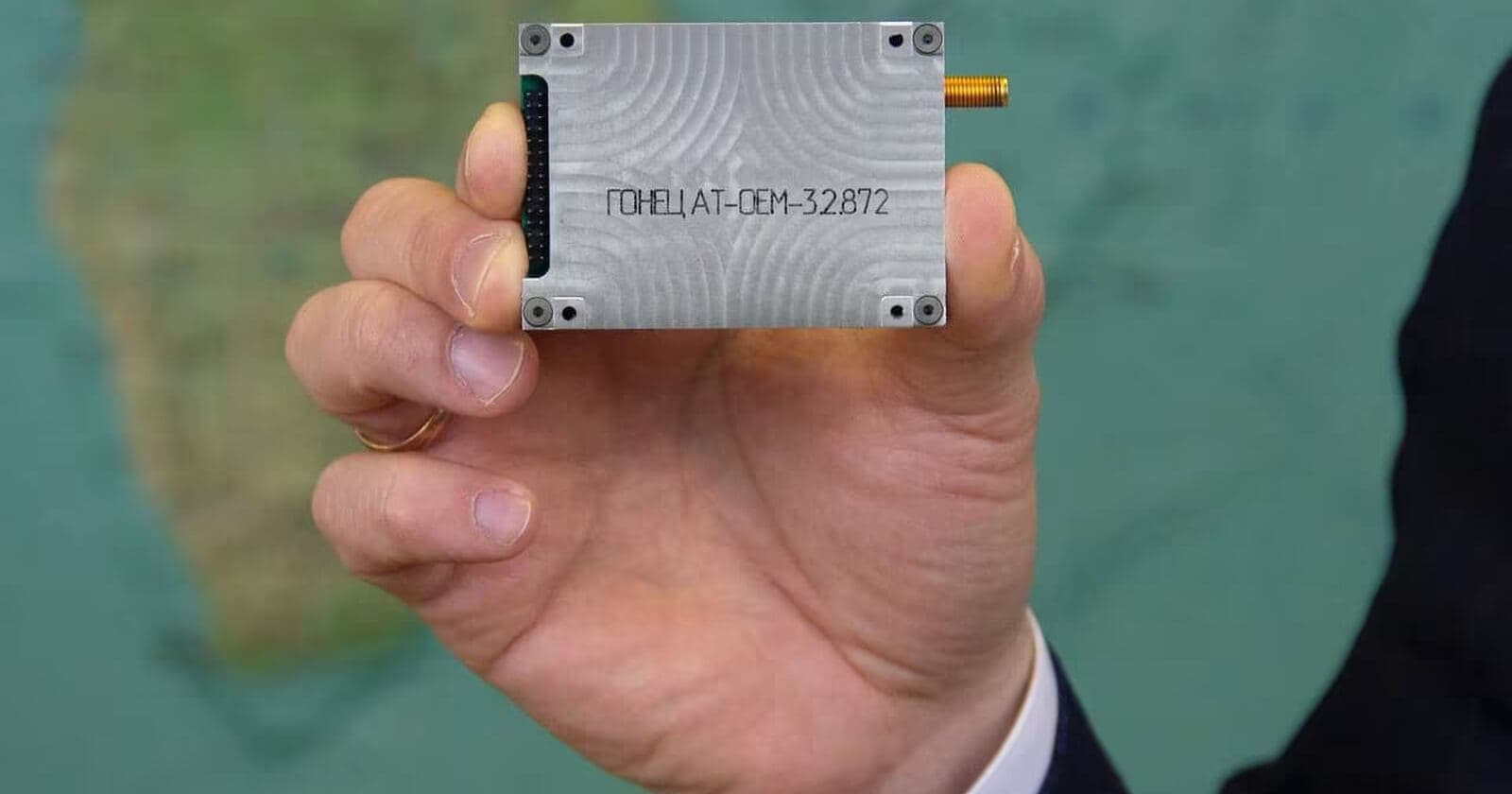
Roscosmos tests modem that survives power loss
The key unanswered question is the battery’s capacity and actual runtime. Those figures will determine whether Starlink Mini 2 is mainly for occasional trips or becomes a viable option for travel and autonomous connectivity points.
Ilya Ignatov is a technical journalist and news writer. He graduated from the Moscow Technical University of Communications and Informatics with a degree in information security and has covered hardware, software and consumer electronics since 2018.

Frontier Editor
Dan is our resident futurist, covering electric mobility, space exploration, and the smart home. He's interested in atoms just as much as bits. Whether it's a new battery chemistry, a reusable rocket, or a protocol that finally makes IoT devices talk to each other, Dan breaks down the engineering that pushes humanity forward.
via ITzine