• 3 min read
Zoox Recalls Software for 105 Robotaxis
Zoox is recalling software for 105 robotaxis after one vehicle struggled with dense smoke near a fire, prompting fresh NHTSA scrutiny.
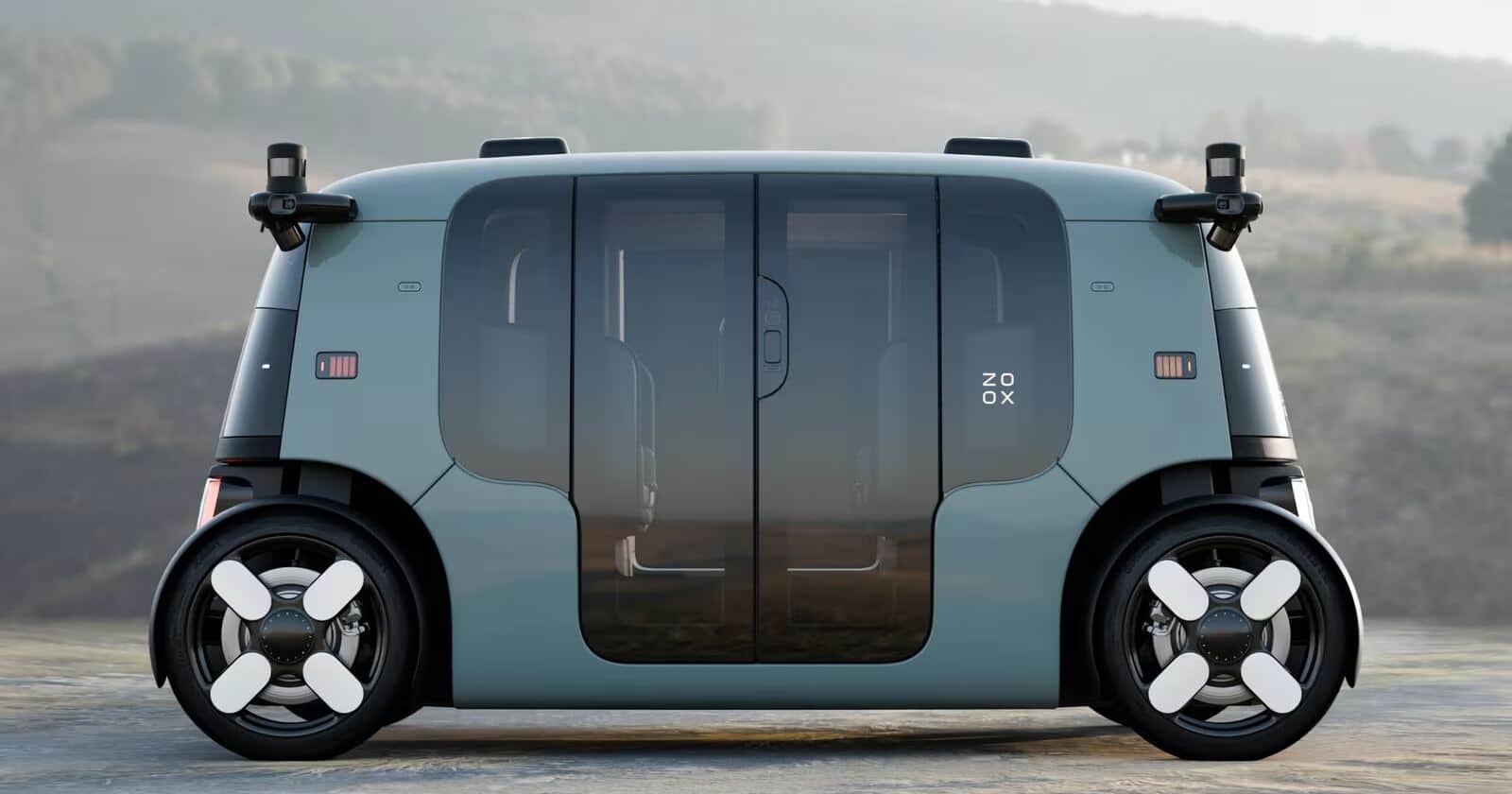
Image: ITzine
Zoox has issued a software recall covering 105 robotaxis after one of its vehicles failed to safely navigate a stretch of road filled with dense smoke from a fire. The incident shows how quickly an unusual roadside hazard can become a serious test for autonomous-driving systems.
According to the company’s report, on June 20 a Zoox vehicle approached a smoke-covered section where firefighters had not yet fully blocked the lane with traffic cones. The robotaxi braked sharply, tried to move aside, and then stopped.
A remote-support operator intervened, directing the vehicle to reverse. Fire crews subsequently placed cones at the scene and closed two of the road’s three lanes. Zoox said this is its only known incident involving this type of situation.
The company is rolling out an update designed to improve the detection of dense smoke and produce a calmer response. Although the issue is software-related, the incident raises broader questions about how autonomous vehicles should operate near crashes, fires, and emergency crews.
NHTSA targets emergency scenarios
The National Highway Traffic Safety Administration (NHTSA) has shown less tolerance for these incidents than the companies operating autonomous fleets. In July, the agency sent letters to autonomous-vehicle manufacturers demanding better performance in emergency conditions and announced plans to meet with them before the end of the month.
Recommended reading
Tesla’s $225 Toddler Bike Sells Out Immediately
NHTSA chief Jonathan Morrison described the inability to recognize and handle such situations as a functional deficiency, rather than an occasional error. Autonomous services often demonstrate their capabilities on orderly urban streets, but smoke, fire trucks, blocked lanes, road work, and unpredictable drivers create far less controlled conditions.
A robotaxi must do more than stop. It must also avoid obstructing emergency responders already working at the scene.
The latest recall is particularly sensitive for Zoox because the company updated its software in May 2025 after one of its vehicles collided with a passenger car in Las Vegas. A second recall within several months reinforces the challenge facing the sector: certification and expansion depend on handling a long chain of rare but dangerous scenarios, not just fixing one isolated bug.
Zoox expands while testing edge cases
Zoox is not alone in confronting these conditions. Waymo, which is expanding its service area and is considered one of the most advanced robotaxi operators in the U.S. market, also focuses testing on how its vehicles respond to unusual road situations.
As autonomous services enter more cities and routes, they encounter less of the controlled environment seen in demonstrations and more of the unpredictability of everyday streets. Fire engines, ambulances, and construction zones can present situations that are difficult for an automated system to interpret.
Zoox is addressing the recall while continuing to grow. In March, the company showed an updated version of its robotaxi and announced plans to expand service areas in Las Vegas and San Francisco, as well as test its software in new cities.
The recall does not halt that expansion, but it adds another highly visible round of testing under pressure from NHTSA and competitors. The next update and follow-up trials in low-visibility conditions will show how quickly Zoox can close the gap. If regulators impose stricter evaluations for fires and crash scenes, those situations could become a required part of approval for wider robotaxi deployment.

Frontier Editor
Dan is our resident futurist, covering electric mobility, space exploration, and the smart home. He's interested in atoms just as much as bits. Whether it's a new battery chemistry, a reusable rocket, or a protocol that finally makes IoT devices talk to each other, Dan breaks down the engineering that pushes humanity forward.
via ITzine