• 2 min read
TCL Puts Inkjet-Printed OLEDs in Laptops
TCL is testing inkjet-printed OLED panels in a Lenovo laptop and MSI monitor, promising lower costs and less manufacturing waste.
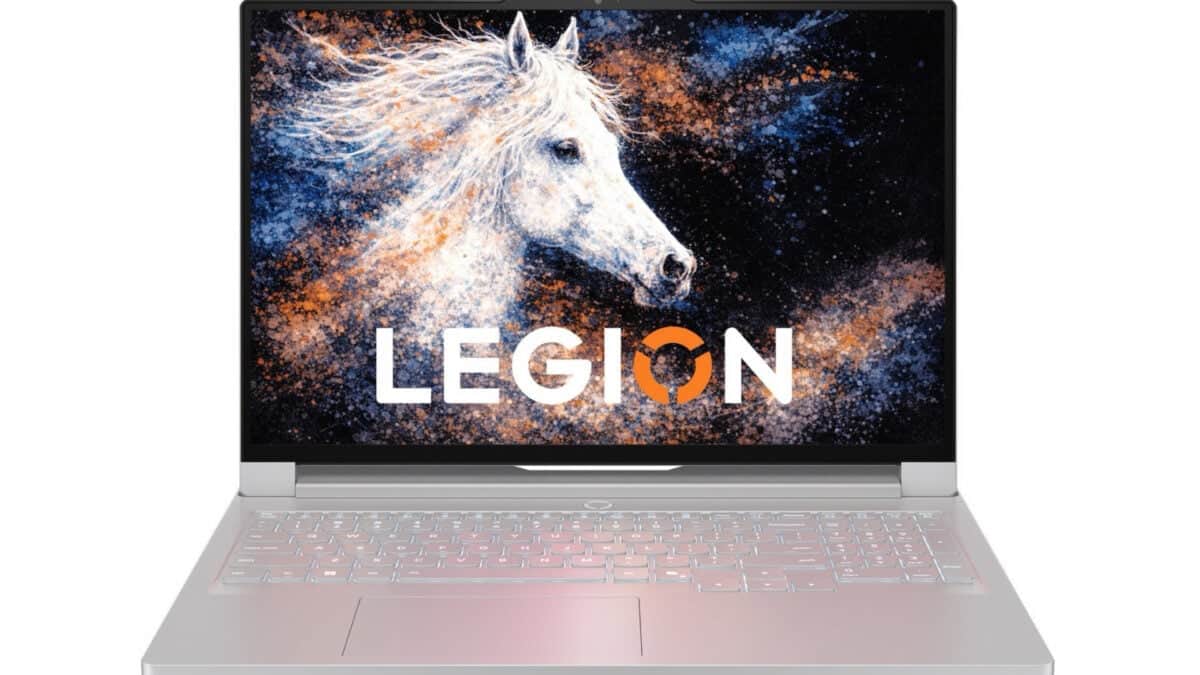
Image: Gizmodo
OLED displays deliver deep contrast and vivid colors, but their high manufacturing cost has kept them out of reach for many laptops and monitors. TCL CSOT is promoting a cheaper production method: inkjet-printed OLED, or IJP.
On Thursday, TCL CSOT shared details of the China-exclusive Lenovo Legion R9000P, which includes a 16-inch OLED display produced using TCL’s IJP process. The screen reportedly supports a maximum 240Hz refresh rate, although Lenovo and TCL have disclosed little else about the laptop’s specifications.
How inkjet-printed OLED works
OLED panels use thousands of self-emissive elements to produce red, green, and blue light. Most are made through vacuum thermal evaporation, which uses fine metal masks (FMMs) to pattern organic materials onto the panel.
That method requires specialized factories and can waste significant amounts of material. TCL says inkjet printing is more efficient and less expensive because it eliminates the need for an FMM and reduces waste during production.
The process could soon extend beyond laptops. MSI recently showcased the MSI PRO MAX OLED 271UPJW12, a 27-inch 4K monitor that uses IJP OLED technology. It offers a 120Hz refresh rate, RGB stripe technology intended to reduce text fuzziness, and a claimed 1,000 nits peak HDR brightness. Typical brightness is listed at 300 nits.

Recommended reading
Lenovo unveils first inkjet-printed OLED laptop
© MSI
The monitor would be one of the first commercial-end displays made with IJP. MSI has since removed its product page, although a Reddit thread about the monitor remains online. The Lenovo laptop’s availability outside China is also unclear.
TCL has promoted inkjet OLED manufacturing for years. The company demonstrated a folding, TV-sized OLED display made with the technique in 2023, then claimed a manufacturing “breakthrough” in 2024, promising improved image quality and longer OLED lifespan.
TCL is best known for relatively affordable televisions and claims roughly 14% of the TV market, according to Counterpoint Research. Its television business still relies primarily on LCD and mini LED panels. A successful IJP OLED push could help TCL compete with Samsung and LG in smaller displays—and eventually make lower-cost OLED TVs possible.

Computing Editor
Tomas lives in the terminal. He covers chips, laptops, and operating systems with a focus on performance and efficiency. He reads kernel changelogs the way other people read fiction, and he's always on the hunt for the perfect mechanical keyboard switch. If it processes data, Tomas has an opinion on it.
via Gizmodo