• 2 min read
US moves to close Nvidia chip export loophole in Asia
The US Commerce Department has moved to shut a possible Nvidia chip export loophole that may have allowed Nvidia’s most advanced AI chips to reach Chinese corporate affiliates through subsidiaries outside China. The conc
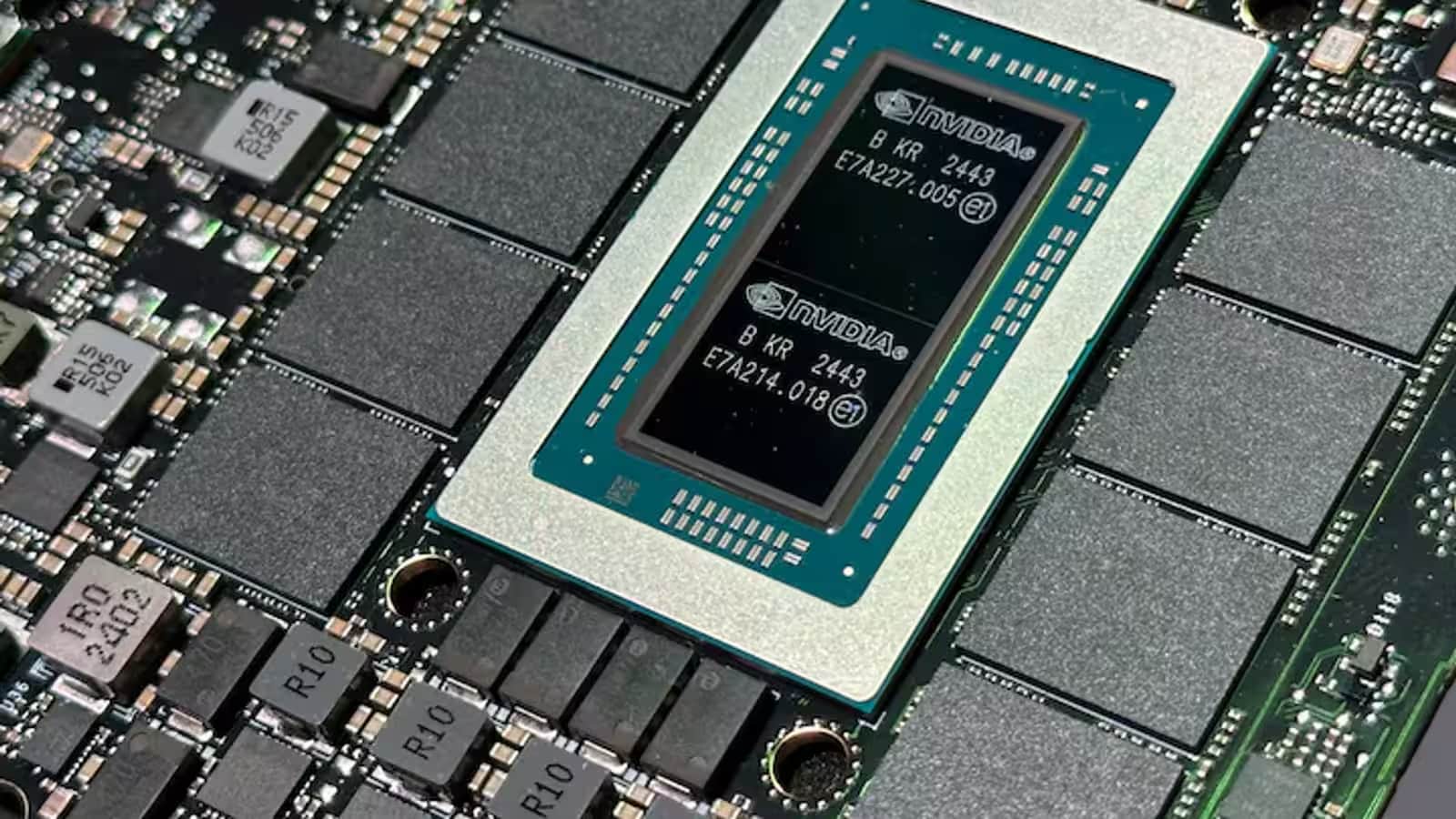
Image: ixbt.com
The US Commerce Department has moved to shut a possible Nvidia chip export loophole that may have allowed Nvidia’s most advanced AI chips to reach Chinese corporate affiliates through subsidiaries outside China. The concern is simple: if the buyer isn’t in China on paper, the hardware can still end up feeding Chinese AI ambitions in practice.
According to Reuters sources, the department posted new guidance on Sunday after a Washington analytical note warned that restricted semiconductors may have kept flowing through supply chains tied to Southeast Asian companies, including firms registered in Malaysia. The note used blunt language for a reason: the gate, it argued, had been left quietly open.
What the new Nvidia chip export guidance targets
The fresh measures are aimed at tightening checks on end users, which is the bureaucratic way of saying regulators want to know who really gets the chips after the first sale. That matters because Nvidia’s Blackwell-based accelerators are designed for training and running advanced AI systems, and they are exactly the sort of hardware Washington has tried to keep out of the wrong hands.

Recommended reading
Silicon Motion targets PCIe 7.0 SSDs for 2027
- Target: the most advanced AI chips, including Nvidia Blackwell systems
- Risk path: subsidiaries and intermediaries outside China
- Focus region: Southeast Asia, including Malaysia
Why Washington is tightening chip export controls
The bigger picture is familiar. The US has spent years trying to throttle China’s access to cutting-edge AI hardware, only to watch trade routes and corporate structures get more creative than the rulebook. Reuters cited estimates in the analytical note suggesting these shipments could have reached hundreds of thousands of units under the previous rules, although the exact volume is unknown.
That scale, if even partly accurate, would explain the urgency. Nvidia remains the dominant name in AI accelerators, which makes its products a recurring test case for export control policy: the more valuable the chip, the more incentive there is to route it through a friendlier postcode.
What happens next for Nvidia chip shipments
The likely next step is more scrutiny, more paperwork, and more pressure on distributors to prove who is ultimately holding the hardware. The open question is how many current routes survive once regulators start treating subsidiaries as part of the same story rather than a convenient legal detour.

Computing Editor
Tomas lives in the terminal. He covers chips, laptops, and operating systems with a focus on performance and efficiency. He reads kernel changelogs the way other people read fiction, and he's always on the hunt for the perfect mechanical keyboard switch. If it processes data, Tomas has an opinion on it.
via ixbt.com