• 3 min read
Valar Atomics targets $1 billion for AI reactors
Valar Atomics is discussing a $1 billion round at a $6 billion valuation to develop nuclear reactors for AI data centers.
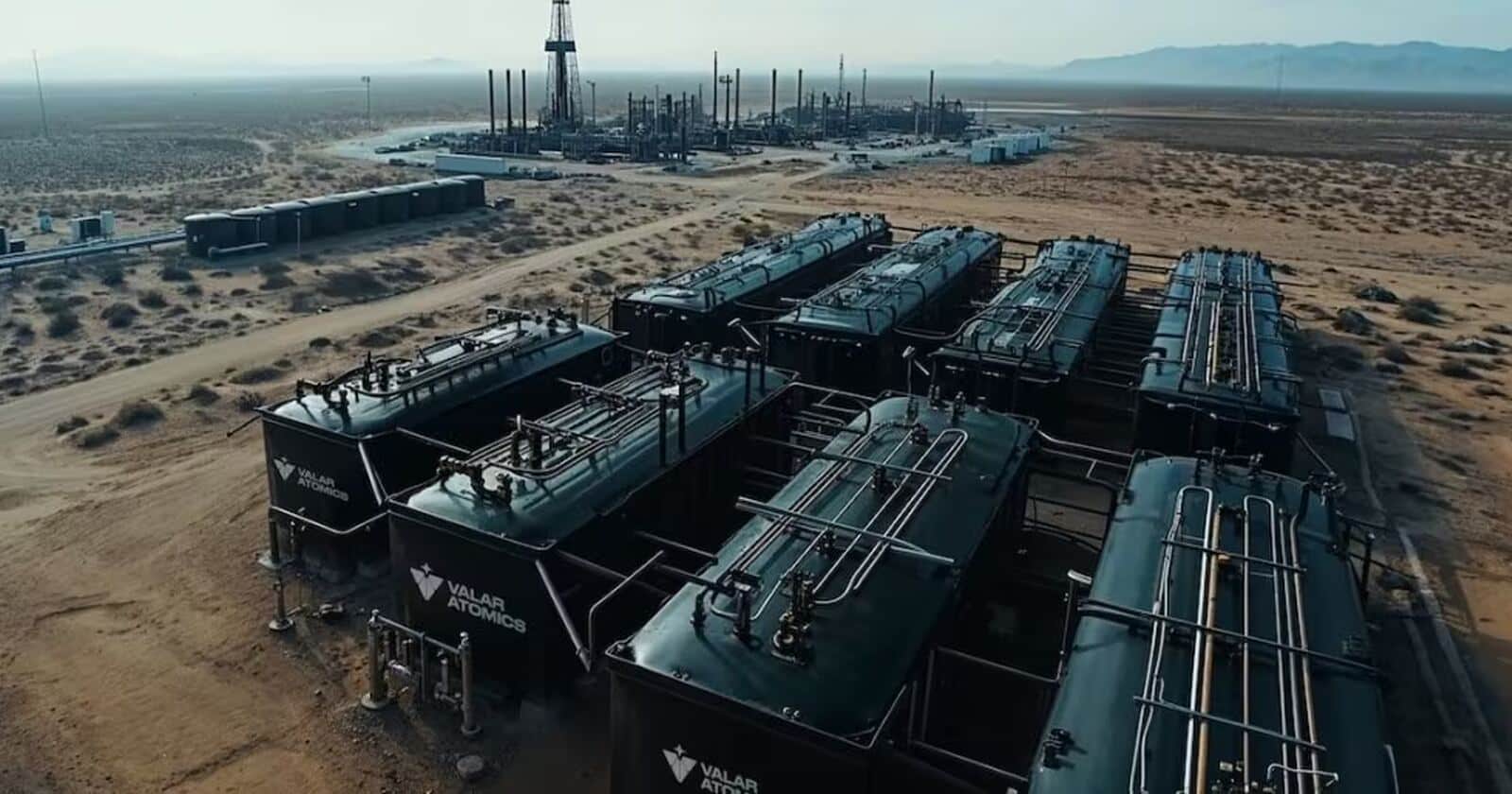
Image: ITzine
Valar Atomics is discussing a new funding round of $1 billion at a $6 billion valuation, according to the source. The U.S. startup is developing small modular nuclear reactors for data centers as demand for electricity rises alongside AI workloads.
The company’s pitch is straightforward: build compact nuclear plants in series and bring them online faster than conventional power units. Valar has already raised $450 million, including $340 million in equity financing and another $110 million. Its previous valuation was about $2 billion.
The new financing could include transactions completed at different valuations within the same round. That structure has become familiar in overheated venture markets, where investors may pay different prices for the same asset depending on when they enter.
Valar’s reactor strategy for AI data centers
The funding target reflects the race to secure power for large cloud and AI facilities. Data centers are increasingly constrained not only by access to chips, but also by available grid capacity. Companies offering an independent, compact power source could therefore attract customers willing to pay a premium for reliable electricity and greater autonomy.
Earlier this month, Valar demonstrated a reactor supplying power to an Nvidia AI chip. It subsequently announced a partnership with Nvidia to study nuclear energy for future data centers.

Recommended reading
Why Apple left Jony Ive out of its OpenAI lawsuit
Technically, Valar is pursuing a high-temperature gas reactor cooled with helium. The company says it plans to build hundreds of these units for computing sites. The market, however, remains at an early stage: small modular reactors have yet to reach industrial-scale deployment, and commercial timelines remain uncertain.
Competition and licensing hurdles
Valar is entering a sector that already includes Kairos Power, TerraPower, backed by Bill Gates, and NuScale Power. NuScale remains the only U.S. SMR developer whose design has received regulatory approval.
That distinction is critical. For nuclear startups, engineering claims are only the beginning; licensing and authorization to build often determine whether a project can move beyond a demonstration. Even companies that started earlier typically need years, or longer, to progress from a prototype to a commercial facility—particularly when they are developing new reactor types and infrastructure intended to operate beside data centers.
Valar is also challenging the regulatory framework itself. Alongside several U.S. states and other startups, it has taken legal action against requirements imposed by the U.S. Nuclear Regulatory Commission, arguing that experimental small reactors should not face the same lengthy review process as large commercial nuclear plants.
The dispute could shape the industry’s pace. Without faster procedures, projects risk remaining stuck between the laboratory and construction site. NuScale’s approved design shows that regulatory progress is possible, but approval does not guarantee broad deployment: each project must still demonstrate safety, economics, and grid compatibility.
If Valar closes a $1 billion round, it would rank among the largest private financings in the SMR sector. The harder test will be turning its Nvidia demonstration into a repeatable commercial product before competitors secure the best sites and contracts.

Enterprise Editor
Marcus follows the money. He covers enterprise software, cloud architecture, and the tectonic shifts in Big Tech strategy. He translates dense earnings calls and complex M&A activity into actionable insights about where the industry is actually heading. If a tech giant makes a silent pivot, Marcus is usually the first to notice.
via ITzine