• 3 min read
How long should a new iPhone last?
Apple’s software support, battery design and durable hardware mean a modern iPhone can stay useful for years—but newer iOS features may tax older models.
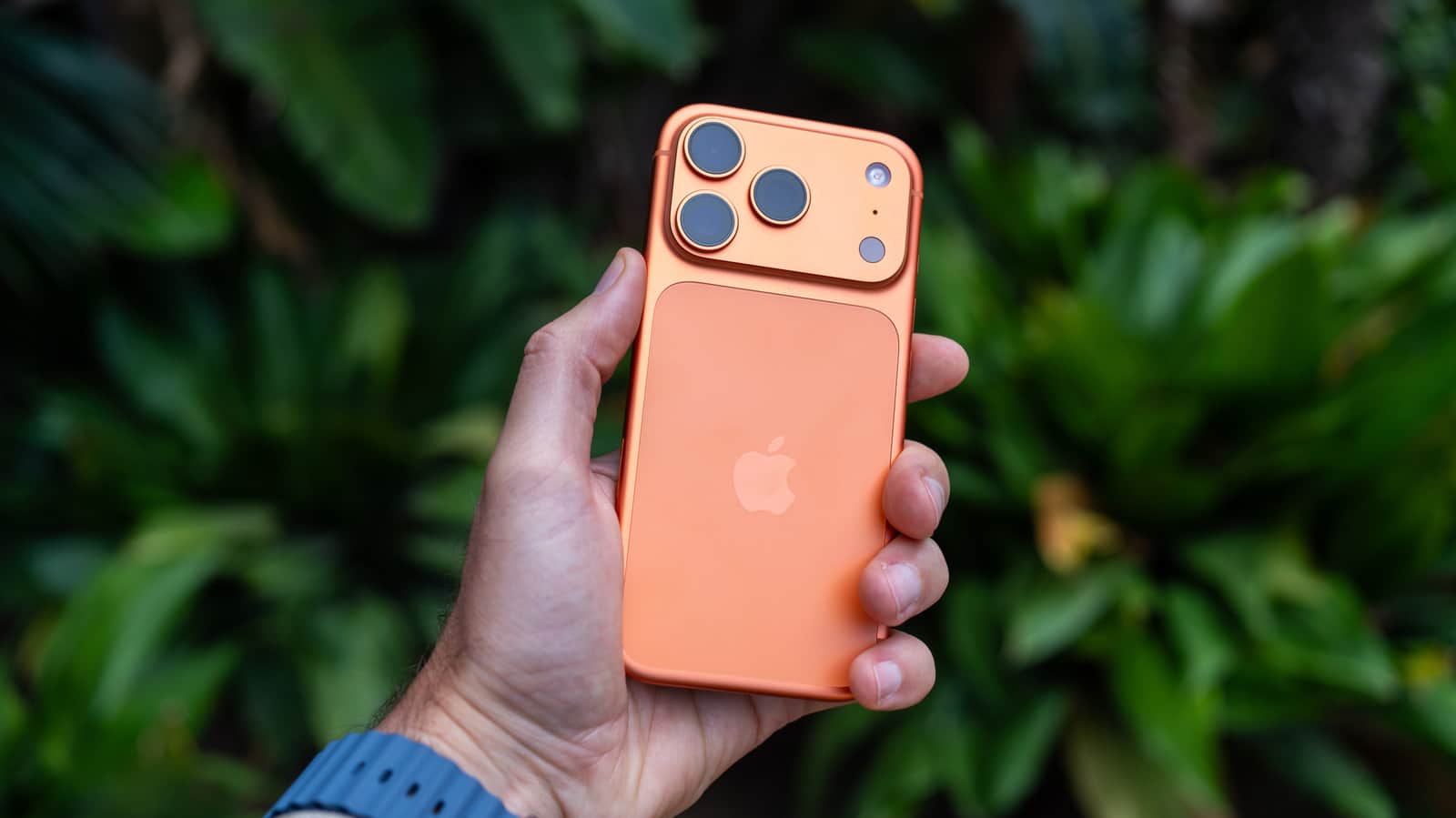
Image: Engadget
A new iPhone can remain useful for years after Apple stops making it the center of attention. Its practical lifespan has two parts: how long the hardware stays functional and how long you can resist newer features that are exclusive to recent models.
Credit: vfhnb12/Shutterstock
Apple has raised prices for its iPads and Mac computers amid tighter memory supplies, and the iPhone could be next. That may make an upgrade more appealing now, but Apple’s long software-support record also means many owners can reasonably keep their current phone for several more years.
iPhone software support and battery life
Apple’s support commitment remains one of the iPhone’s strongest advantages. Newer Google Pixel and Samsung smartphones now promise up to seven years of OS updates, although it will take a few years to see whether those commitments are fulfilled in practice.
Recommended reading
Galaxy S26 FE and Tab S12 leak ahead of launch
Apple, by contrast, announced at its WWDC 2026 keynote that the latest version of iOS will support the iPhone 11, a model released in 2019. Software updates bring new features, but security patches are even more important because they address newly discovered vulnerabilities. Based on Apple’s history, a newer iPhone 16 or iPhone 17 should receive solid support through at least 2031.
Software support is not the only limit. Many owners continue using iPhones without updating for years, and most third-party apps do not immediately abandon older iOS releases. WhatsApp, for example, requires iOS 15.1 or newer, which includes the iPhone 6s from more than a decade ago.
Battery degradation is more likely to become a problem first. Apple says the batteries in the iPhone 15 series, and presumably newer models, are designed to retain about 80 percent of their original capacity after 1,000 charge cycles. The author’s iPhone 15 Pro Max had 83 percent battery health after 950 cycles, broadly matching that claim.
A battery replacement can noticeably improve a phone that is a few years old. Eventually, though, the older processor and limited RAM can become bottlenecks that a new battery cannot fix. Following the “Batterygate” controversy and multi-million-dollar class-action lawsuits, Apple made battery-health metrics and performance management more transparent. When battery health falls below 80 percent, iOS prompts the owner to replace it and may reduce performance, although that setting can now be disabled.
Why newer iPhones can still feel tempting
Credit: Adnan Ahmed for Engadget
Modern iPhones also benefit from improved build quality, ingress-protection ratings and more scratch-resistant displays. The author says their iPhone has been used mostly without a case and has not developed a scratch on its body.
Apple replaced titanium with a unibody aluminum design on the iPhone 17 Pro series. There have been reports of the orange colorway developing a pinkish tint over time, but the phones themselves remain durable. On Reddit, many users report keeping the same iPhone for five years or more, with a battery replacement as the only significant expense.
Apple does reserve some features for newer hardware. Examples include a more customizable version of Siri AI and hardware such as Camera Control. Those additions may be appealing, but they are not necessarily reasons to replace a fully functional phone.
A less-discussed issue is the performance cost of newer iOS releases. Liquid Glass, introduced with iOS 26, renders transparency effects in real time, which can tax older hardware. The author found that an iPhone 15 Pro Max—despite being marketed as capable of running AAA games—consistently dropped frames and ran hot during everyday use on iOS 26.
Apple indirectly acknowledged performance complaints by focusing much of its iOS 27 reveal on stability and performance improvements. In testing, the older iPhone ran noticeably more smoothly on iOS 27, even though the software was still an early beta build.

Gadgets Editor
Eli is obsessed with the tangible future. He reviews phones, wearables, and everything with a battery. Known for his rigorous testing protocols and unabashed teardowns, Eli has broken more review units than he cares to admit, all in the name of discovering the truth about durability and repairability.
via Engadget