• 2 min read
Starlink reconnects 700,000 people after Venezuela earthquakes
Starlink says more than 700,000 people in earthquake-hit Venezuela used its network after cellular towers failed.
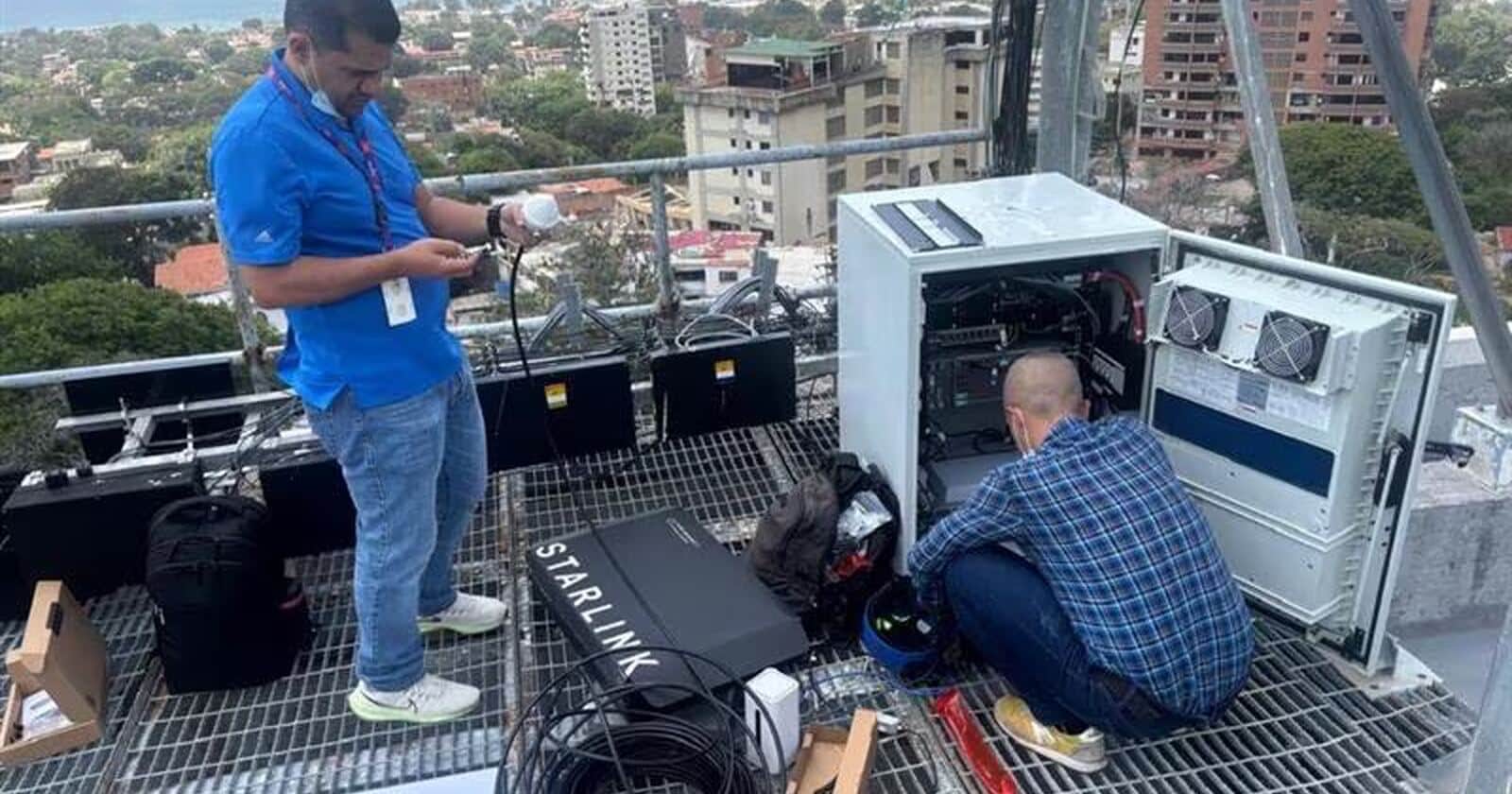
Image: ITzine
Starlink says its satellite network restored communications for more than 700,000 people in Venezuela after June earthquakes knocked out cellular towers across affected areas. The company has delivered more than 1,600 terminals to the country and connected nearly 100 organizations, including emergency services and humanitarian groups.
The temporary network also carried more than 240,000 SMS messages, allowing residents to contact relatives and rescuers. With terrestrial networks disabled, satellite connectivity became a backup channel while fiber and cellular infrastructure remained out of service.
Venezuela’s June 2026 earthquakes
A series of earthquakes struck northern Venezuela in June 2026, with magnitudes of 7.2 and 7.5. According to figures cited by Starlink, more than 5,200 people died, about 17,000 lost their homes, and total damage exceeded $6.7 billion, based on United Nations estimates.
Starlink said it worked with the US Department of State to support communications for rescue workers and humanitarian teams operating in the affected areas. The company has used its network in similar disaster and military-crisis situations, including in Ukraine and parts of the United States hit by powerful hurricanes.

Recommended reading
X rebuilds Android app for faster feature releases
The Venezuelan deployment gives Starlink another prominent example of its network being used for emergency communications rather than ordinary internet access in remote locations. If repairs to ground infrastructure take weeks or months, satellite service could remain the main communications option for some communities.
It also tests whether emergency deployments can scale beyond a few dozen terminals to serve an entire region.

Culture Editor
Maya explores gaming, streaming, and the internet as a place where people actually live. From deep-dives into creator economies to the anthropology of digital communities, she tracks platform drama and cultural shifts so you don't have to. She believes the best tech stories are fundamentally about human behavior.
via ITzine