• 2 min read
Why Apple left Jony Ive out of its OpenAI lawsuit
Apple may have intentionally omitted Jony Ive from its OpenAI lawsuit because of limited evidence and his close ties to Laurene Powell Jobs.
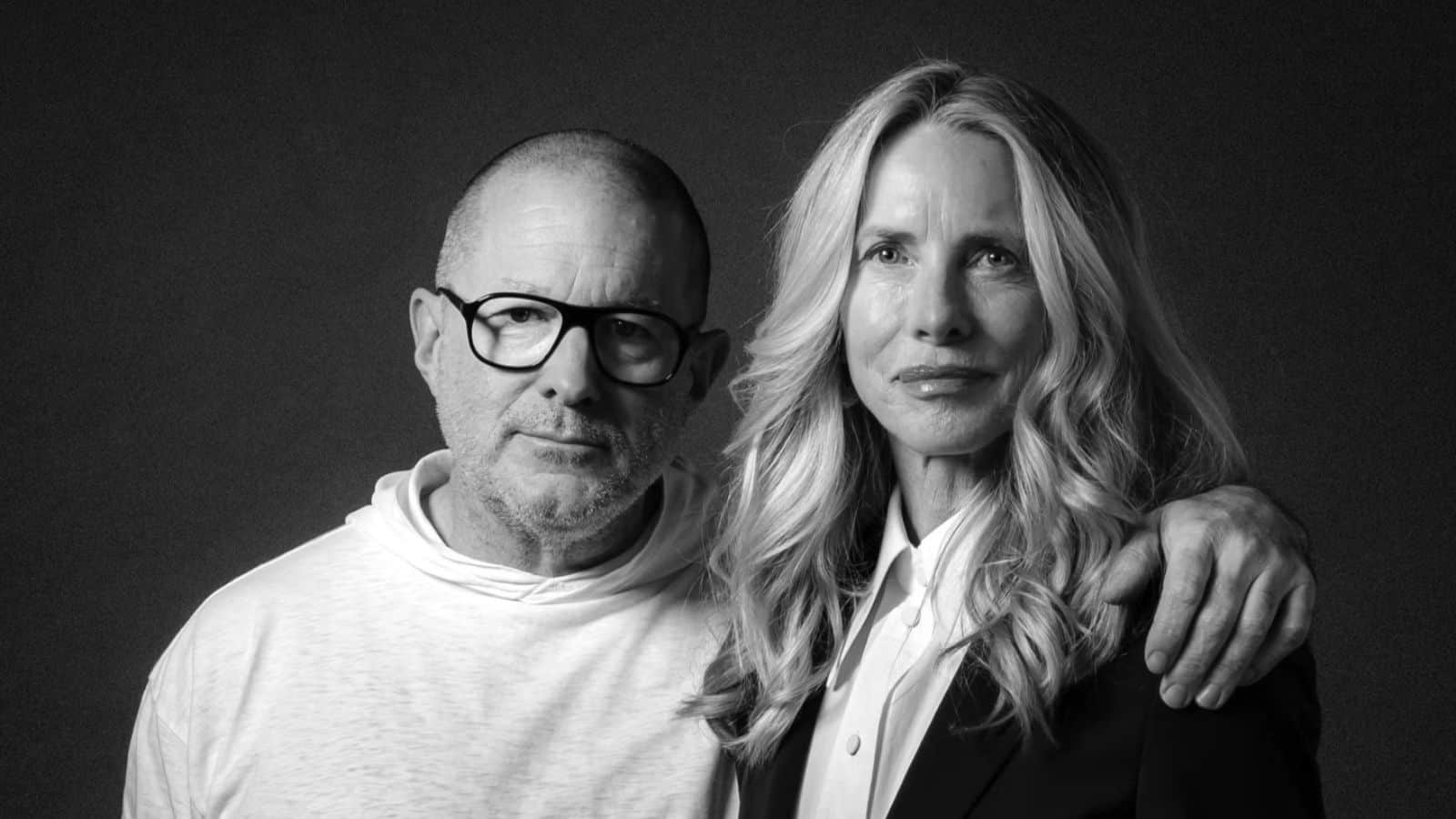
Image: MacRumors
Apple’s decision not to name Jony Ive in its trade-secret lawsuit against OpenAI was likely deliberate, according to Bloomberg’s Mark Gurman. The choice may reflect both a lack of evidence against the former Apple design chief and his close relationship with Laurene Powell Jobs.
Apple’s roughly 40-page complaint refers to unnamed “former Apple leaders” but does not identify Ive. He now leads design for OpenAI’s hardware efforts through his firm LoveFrom, which grew out of OpenAI’s $6.5 billion acquisition of his startup io Products.
The lawsuit instead focuses on former iPhone executive Tang Tan, now OpenAI’s chief hardware officer. Apple accuses Tan of coaching recruits to bypass security measures and bring Apple hardware to interviews for “show-and-tell” sessions.
Why Apple did not name Jony Ive
In his latest Power On newsletter, Gurman writes that Ive may simply not be closely involved in OpenAI’s day-to-day recruiting or engineering, leaving Apple without a strong basis for naming him. But he also points to Ive’s relationship with Powell Jobs, who was an investor in io Products and remains a supporter of LoveFrom.
Recommended reading
StrictlyVC returns to NYC as startup funding surges
Ive and Powell Jobs are close friends. Ive delivered a tribute at Steve Jobs' memorial service in 2011, and Gurman argues that naming him could have strained his continuing relationship with Apple and its leadership.
Powell Jobs' presence at Apple’s June Worldwide Developers Conference, where she sat in the front row alongside CEO Tim Cook and his successor John Ternus, is cited as a visible sign of support for the company’s leadership transition.
The optics of naming Ive
Gurman also argues that identifying Ive could have created a public-relations problem. Tan is little known outside the technology industry, while Ive remains one of Apple’s most recognizable former executives after decades at the company.
Naming Ive might have drawn public sympathy toward him and fueled criticism that Apple’s lawsuit was driven partly by old grievances rather than solely by trade-secret concerns.
The case arrives as more than 400 former Apple employees are reportedly working at OpenAI. OpenAI’s first hardware product is expected to be a portable smart speaker intended to compete with the iPhone over the long term.
Enterprise Editor
Marcus follows the money. He covers enterprise software, cloud architecture, and the tectonic shifts in Big Tech strategy. He translates dense earnings calls and complex M&A activity into actionable insights about where the industry is actually heading. If a tech giant makes a silent pivot, Marcus is usually the first to notice.
via MacRumors