• 3 min read
Dimensity 9600 rumored to move to 2nm and two super-cores
Leaks suggest MediaTek’s Dimensity 9600 could use TSMC’s 2nm process, two super-cores, hardware frame generation, and a dual-block NPU.
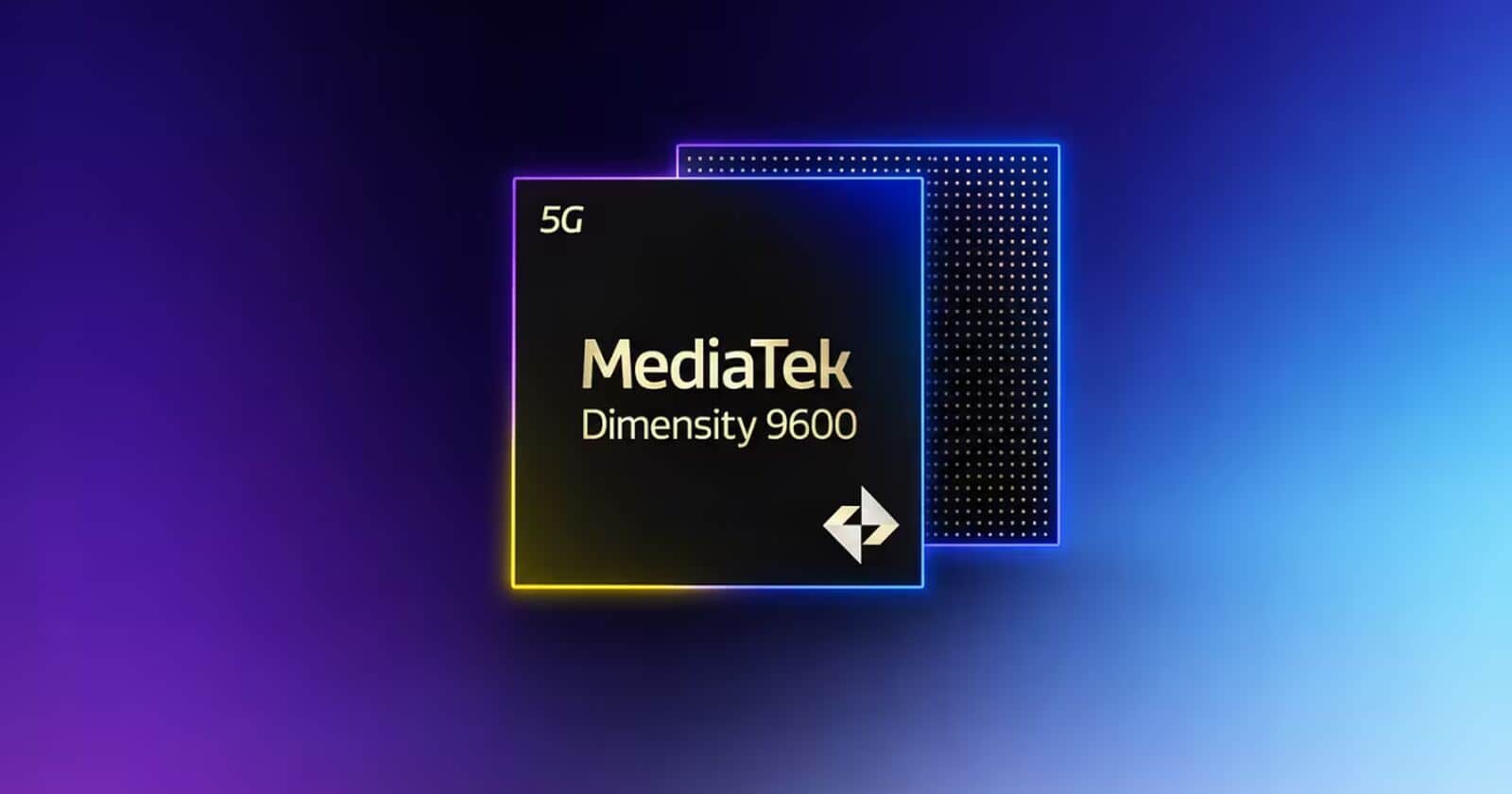
Image: ITzine
MediaTek is reportedly preparing the Dimensity 9600 for a September announcement, with leaks pointing to major changes in its CPU, graphics, and neural-processing hardware. The biggest rumored shift is a move to TSMC’s 2nm process and a CPU design with two “super-cores” instead of the single ultra-powerful core used by the Dimensity 9500.
The leaks also mention three possible models: the standard Dimensity 9600, 9600 Pro, and 9600 Pro Max. MediaTek has not confirmed the lineup, but the growing number of reports provides enough detail for a preliminary comparison with last year’s chip.
Dimensity 9600 process and CPU changes
The Dimensity 9500 was built on a 3nm process and used one high-performance Cortex-X core. The Dimensity 9600 could move to a 2nm TSMC process based on a gate-all-around, or GAA, transistor structure. According to the source, GAA should control current more effectively and reduce leakage.
Estimates cited in the leaks suggest the process change could deliver roughly 25–30% lower energy consumption. That could reduce heat and extend operating time during sustained workloads, although the source does not identify the methodology behind the estimate.

Recommended reading
Five years is the smartphone upgrade sweet spot
The more efficient process may also allow clock speeds of around 5.0GHz in the higher-end versions. Those frequencies would typically create significant power demands on an older process, so MediaTek is reportedly relying on the smaller node to increase performance without a corresponding rise in consumption.
The rumored CPU layout is 2+3+3:
- Two super-cores
- Three performance cores
- Three efficiency cores
Compared with the Dimensity 9500's single super-core arrangement, two high-performance cores could improve short bursts of demanding work, including launching large applications, processing photos, and other tasks where responsiveness matters more than long-duration multicore throughput. The source frames the change as an attempt to move closer to Apple in single-threaded performance, but provides no benchmark results.
Other leaked specifications include LPDDR5X memory and UFS 4.0 storage.
Immortalis graphics and hardware frame generation
The Dimensity 9600 is also expected to introduce a new generation of MediaTek’s Immortalis GPU, reportedly known internally by the codename Magni. One of the proposed features is hardware-based frame generation.
The mechanism matters: rather than relying entirely on software interpolation, the GPU would generate additional frames in hardware. In games, the technology could potentially raise a 60-frame-per-second output toward 120fps, with lower latency and more consistent visuals than conventional software-based approaches.
Leaks also mention ray tracing. The source says the new graphics architecture is intended to improve lighting and shadows on mobile devices, bringing them closer to the presentation familiar from consoles and gaming PCs. It does not provide ray-tracing performance figures or name any games used for testing.
Dual NPU design and SME2 support
The neural-processing hardware could receive an equally substantial redesign. According to the leaks, the chip may use a two-block NPU configuration:
- One neural-processing block for demanding generative workloads
- A second block for continuous background analysis
The Dimensity 9600 is also rumored to support SME2 in hardware, accelerating the matrix operations used by large language models and other local generative features. In practical terms, that could help future smartphones run voice assistants, contextual suggestions, and on-device generation with less pressure on the battery.
The source presents the Dimensity 9500 as a transitional step rather than MediaTek’s endpoint in the flagship segment. The Dimensity 9600's reported strategy combines a newer manufacturing process, a more aggressive CPU configuration, upgraded Immortalis graphics, and a broader neural-processing stack.
MediaTek’s September announcement schedule remains unconfirmed. If it stays on track, the first smartphones using the new chip should arrive after the announcement; the source does not provide a specific launch date, device list, or pricing.
Gadgets Editor
Eli is obsessed with the tangible future. He reviews phones, wearables, and everything with a battery. Known for his rigorous testing protocols and unabashed teardowns, Eli has broken more review units than he cares to admit, all in the name of discovering the truth about durability and repairability.
via ITzine