• 3 min read
Five years is the smartphone upgrade sweet spot
Five years is the smartphone sweet spot, as longer software support and repairable hardware make annual upgrades harder to justify.
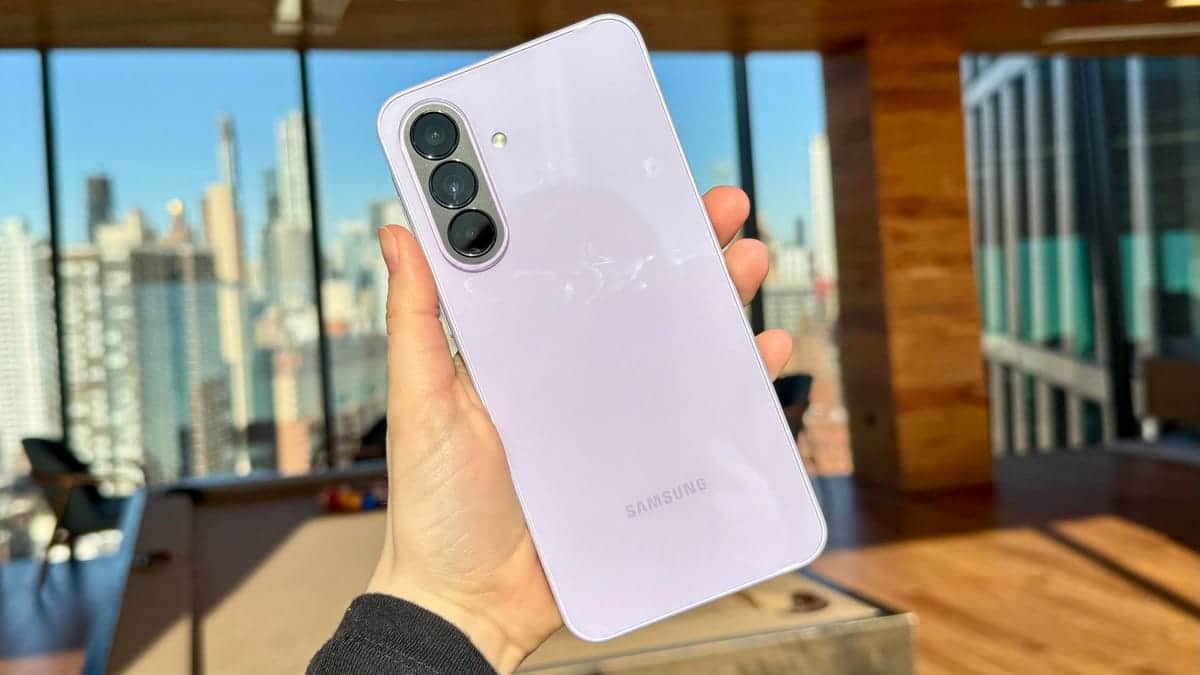
Image: ZDNET
A modern smartphone can provide reliable service for five years or more, according to ZDNET’s analysis. That is longer than the roughly 29 months the average American keeps a phone, based on a 2025 Reviews.org survey, but longer ownership is becoming more practical as devices improve and support periods expand.
Why five years is the sweet spot
Annual upgrades are harder to justify than they once were. Flagship phones now cost well over $1,000, yet the differences between consecutive generations are often small for everyday users checking email, watching videos, browsing the web, or scrolling through social media.
The biggest changes now tend to arrive in sporadic jumps rather than every year. Google’s Pixel 8 series, for example, was a major step beyond the Pixel 7 series because it introduced features such as Gemini and Magic Eraser. By contrast, many users would struggle to identify a meaningful difference beyond design between the Pixel 8 and Pixel 9.
Recommended reading
Tecno shows a claimed zero-bezel phone
That pattern has pushed manufacturers toward smaller hardware upgrades and lifestyle features. For most owners, a phone that works well does not need to be replaced after one year—or even three.
Longer software support changes the calculation
Software support is the strongest reason five-year ownership is now realistic. In the past, keeping a phone that long meant missing major operating-system updates, new features, and critical security patches. Devices could become less secure and less responsive.
That has changed through consumer demand and pressure from regulators. As of 2025, the European Union requires companies to provide OS updates for mobile devices for at least five years. Some manufacturers offer more:
- Samsung Galaxy and Google Pixel phones receive seven years of software support.
- The iPhone 11 is set to become Apple’s longest-supported iPhone. Once it receives iOS 27, it will have received eight major system updates.
Hardware is also holding up better. Apple silicon and Qualcomm Snapdragon chips from the early 2020s still provide enough performance for web browsing, streaming, and gaming.
The limitation is that software accumulation can eventually affect performance. Background services consume resources, apps become more complex, and phones may gradually slow down. Five years gives owners substantial time to use the hardware before those effects become more noticeable.
How to keep a phone beyond five years
Five years is not an expiration date. A device with seven years of updates can remain useful longer, particularly because continued security patches provide better protection against online threats.
The battery is often the first major component to show its age. Lithium-ion batteries naturally lose capacity, and poor charging habits can accelerate the decline. Replacing the battery can extend the phone’s useful life, as can other repairs from an authorized or reputable third-party shop.
Google and Samsung provide resources for finding authorized repair partners, while Apple offers repair services through its stores. The analysis recommends researching iPhone repair shops carefully because customer experiences at Apple Stores have varied.
A case and screen protector can also help a phone survive drops and scratches, reducing the chance that accidental damage ends its useful life early.
The conclusion is practical rather than absolute: keep a phone for five years when possible, then judge whether its battery, performance, software support, and physical condition still meet your needs. The source does not claim that every phone will last that long or that every five-year-old device remains suitable; its recommendation is to stop treating annual upgrades as necessary.
Gadgets Editor
Eli is obsessed with the tangible future. He reviews phones, wearables, and everything with a battery. Known for his rigorous testing protocols and unabashed teardowns, Eli has broken more review units than he cares to admit, all in the name of discovering the truth about durability and repairability.
via ZDNET