• 4 min read
Zoox robotaxis win approval without steering wheels
Zoox can begin charging for steering-wheel-free robotaxi rides after federal approval, while a no-brake-pedal rule remains pending.
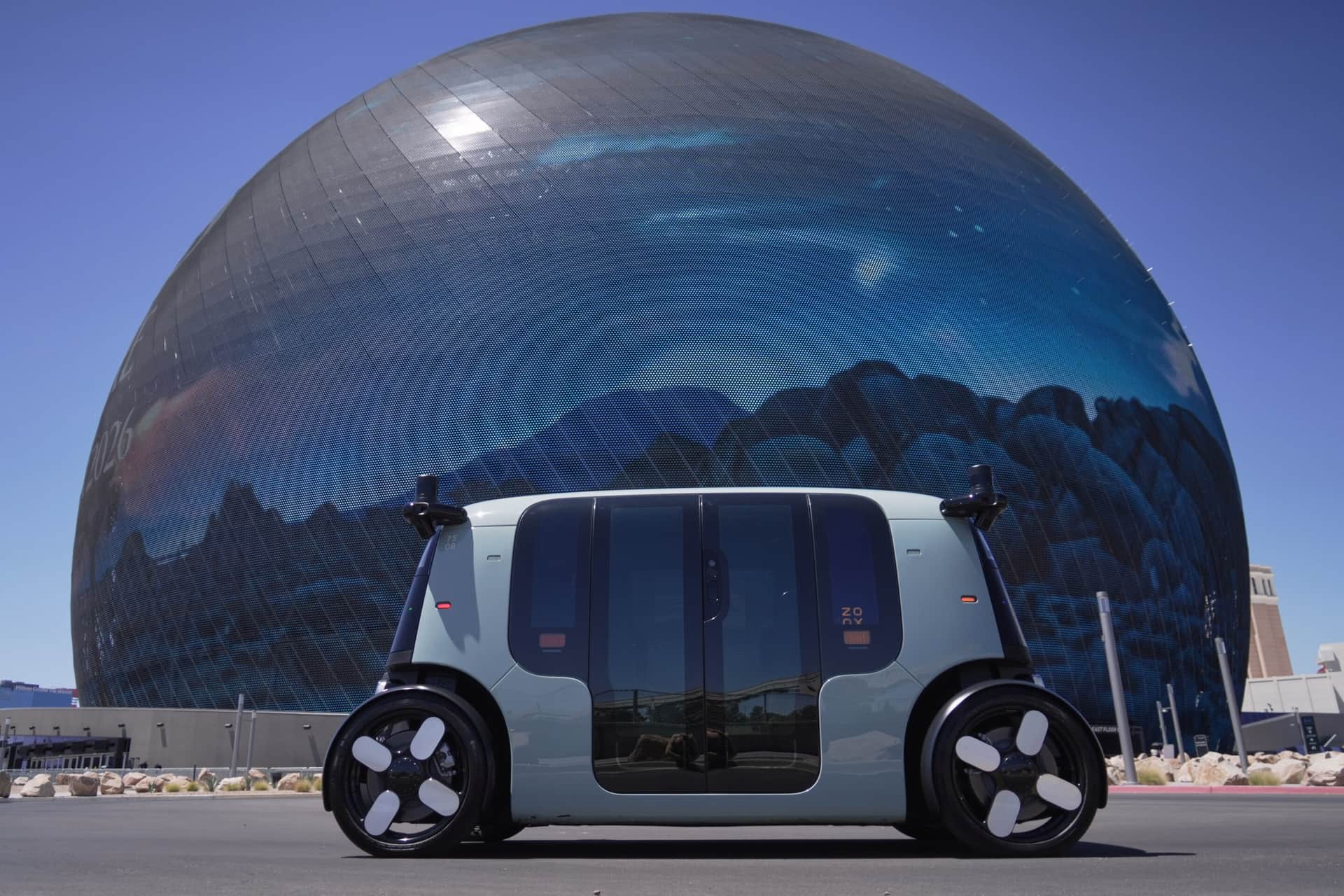
Image: TechXplore
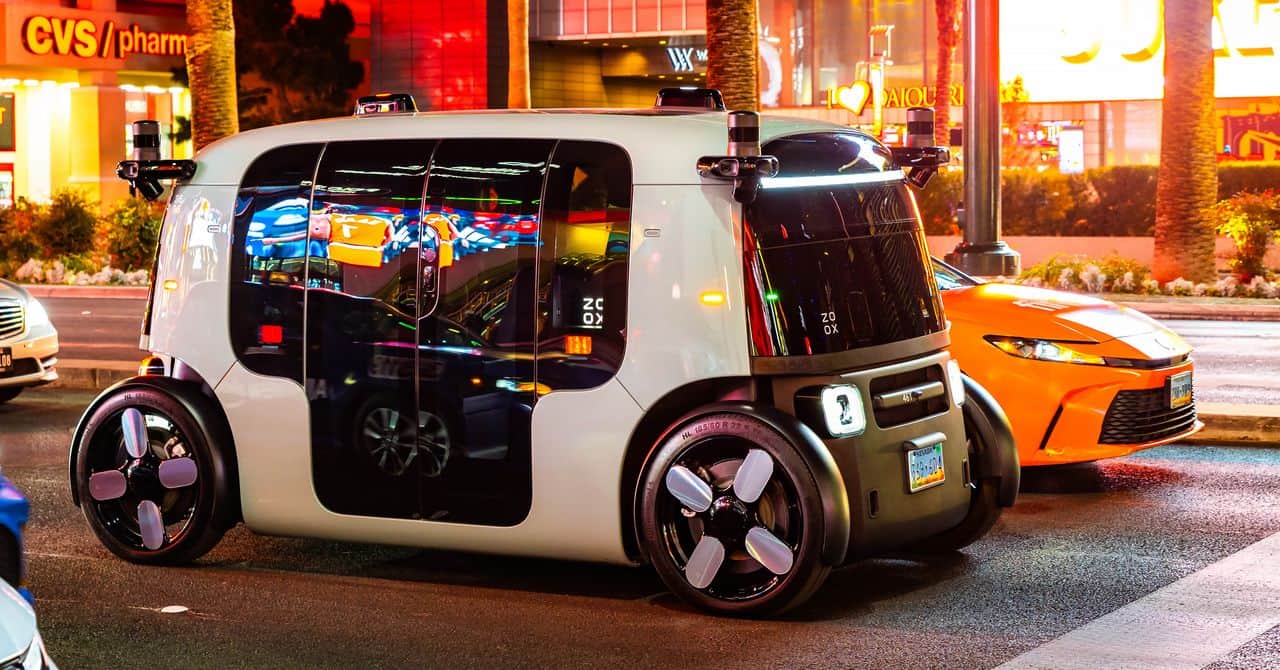
Amazon’s Zoox has received federal approval to begin charging passengers for rides in its steering-wheel-free robotaxis, marking a significant step toward vehicles designed without conventional manual controls. The company must still secure state and local approval before paid service begins.
The specially built Zoox vehicle has four inward-facing seats and no steering wheel. Zoox has offered free rides in Las Vegas and San Francisco since last year, and at least a couple of passengers were waiting at most stops along the Las Vegas Strip on Thursday afternoon.
Chloe Huu, from Ann Arbor, Michigan, said the experience initially felt uncomfortable but became enjoyable once she adjusted to it.
“It’s kind of scary at first, but when I just got used to it, it’s really cool and chilling. I really liked the music and how you can adjust the temperature.”
She also reported a practical problem: the projected wait time kept changing, making it difficult to plan the trip.
Recommended reading
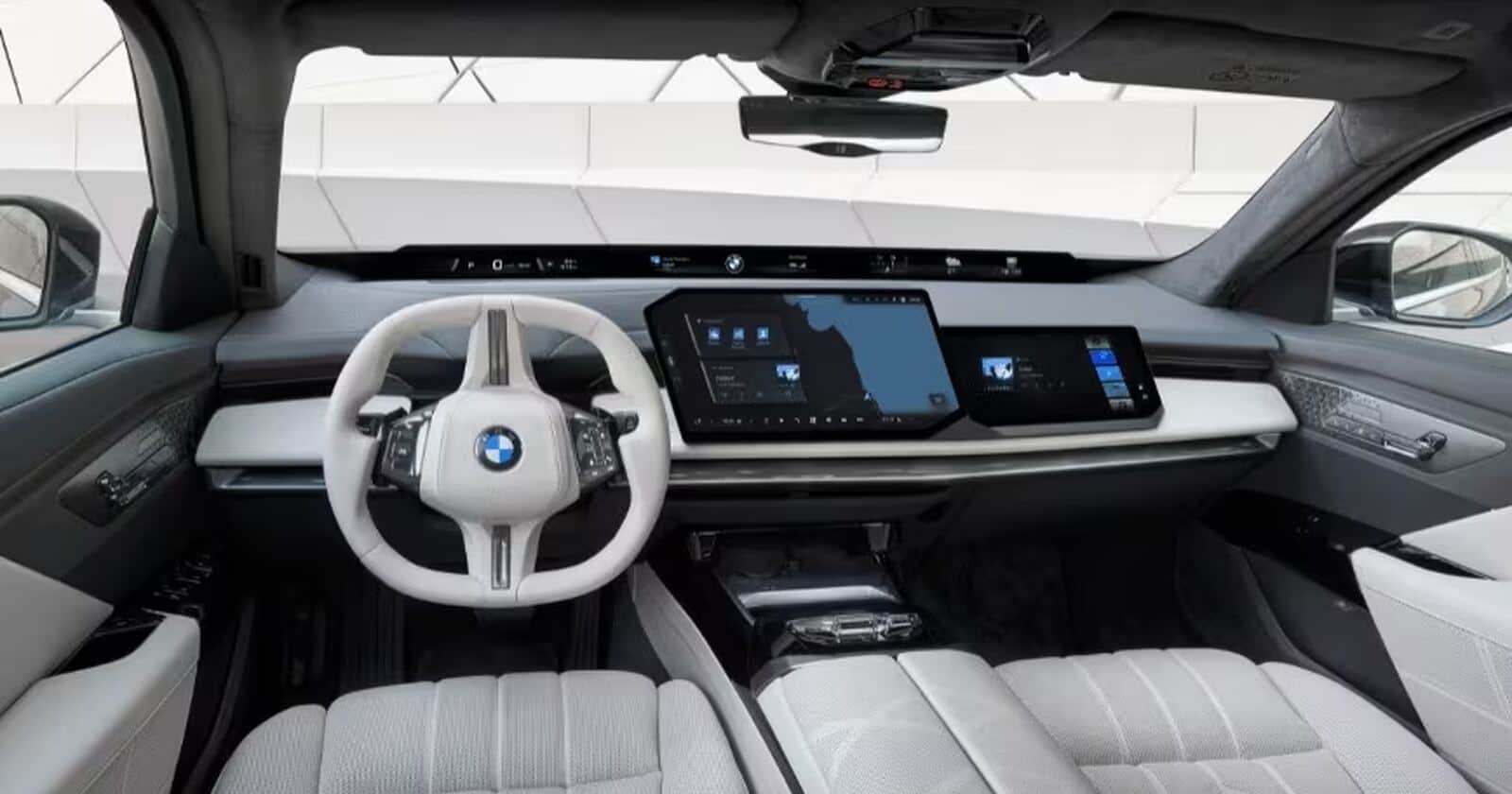
BMW cuts 8,000 jobs and picks Qualcomm for 10 years
Federal rules catch up with autonomous vehicles
The National Highway Traffic Safety Administration has also proposed allowing robotaxis to operate without brake pedals, although that proposal remains pending. NHTSA Administrator Jonathan Morrison said the agency is updating rules written for vehicles controlled by a human driver.
“If you’re going to be developing a standard in the 1970s, 1980s, 1990s, nobody at that time had this imagination, nobody had a crystal ball that you might have technologies that would enable the vehicle to drive itself.”
Morrison said features such as steering wheels, windshield wipers and side-view mirrors may not be necessary in autonomous vehicles. He also described NHTSA’s role as being the “cop on the beat to make sure that this is being done right.”
The agency’s approval comes as regulators face a mismatch between existing safety rules and vehicles that have no driver controls at all. Zoox will initially be limited to deploying up to 2,500 vehicles without steering wheels over the next two years while it works to demonstrate that the technology is safe.
Safety evidence remains contested
The approval has drawn criticism from the Advocates for Highway and Auto Safety. The group said Zoox had not supplied enough detailed evidence showing that its vehicles could operate safely on public roads.
“Lots of promises, lots of glossy language, lots of 'We believe, we think we’ll do this.' Yet there really was no data behind the promises, and that’s really concerning to us.”
Morrison acknowledged that autonomous vehicles have displayed problematic behavior, including stopping in the middle of a road and struggling to exit parking lots. NHTSA has investigated incidents involving autonomous vehicles passing school buses or interfering with first responders, and has responded with investigations, recalls and calls to action.
“Sometimes we have seen unsafe behaviors, and we jump on that really quickly again. That’s our job at NHTSA.”
The Insurance Institute for Highway Safety said the available data makes it difficult to judge robotaxi safety as deployments expand. Companies are required to submit limited crash information, but most do not report how many miles their autonomous vehicles traveled. Without mileage, a crash rate cannot be calculated.
Reporting standards are also unclear. Autonomous vehicle companies may report many minor incidents, while human drivers generally report crashes only when they involve significant damage or injuries. That difference makes direct comparisons harder, although the source does not provide a standardized safety rate for Zoox or the broader industry.
Morrison said robotaxis could avoid risks associated with distracted or drunk driving, while acknowledging that the technology has experienced unsafe incidents. He said Americans should not be “terribly worried” about robotaxi safety and that NHTSA wants to see the technology’s promise fulfilled.
Zoox targets 10,000 vehicles a year
Zoox is trying to close the gap with Waymo, which already operates in multiple cities. Tesla is also working to compete with Waymo, which is owned by Google’s parent company, Alphabet.
Zoox CEO Aicha Evans called the federal approval an important milestone for autonomous vehicles:
“This achievement reflects a shared commitment to enabling innovation while maintaining the highest standards of safety.”
Amazon paid $1.2 billion to acquire self-driving startup Zoox. It hopes eventually to produce as many as 10,000 robotaxis per year at a plant near Silicon Valley, as it seeks to challenge Waymo.
Zoox said more than half a million people have already ridden in its vehicles. The company can now move toward paid service, but the timing of that launch still depends on state and local approvals. The proposed removal of brake pedals also has no final regulatory approval yet.
Frontier Editor
Dan is our resident futurist, covering electric mobility, space exploration, and the smart home. He's interested in atoms just as much as bits. Whether it's a new battery chemistry, a reusable rocket, or a protocol that finally makes IoT devices talk to each other, Dan breaks down the engineering that pushes humanity forward.
via TechXplore