• 2 min read
SpaceX shows Starlink V3 satellites in orbit
SpaceX released the first Starlink V3 images, showing deployed satellites, laser links and Starship before the spacecraft burned up 20 minutes later.
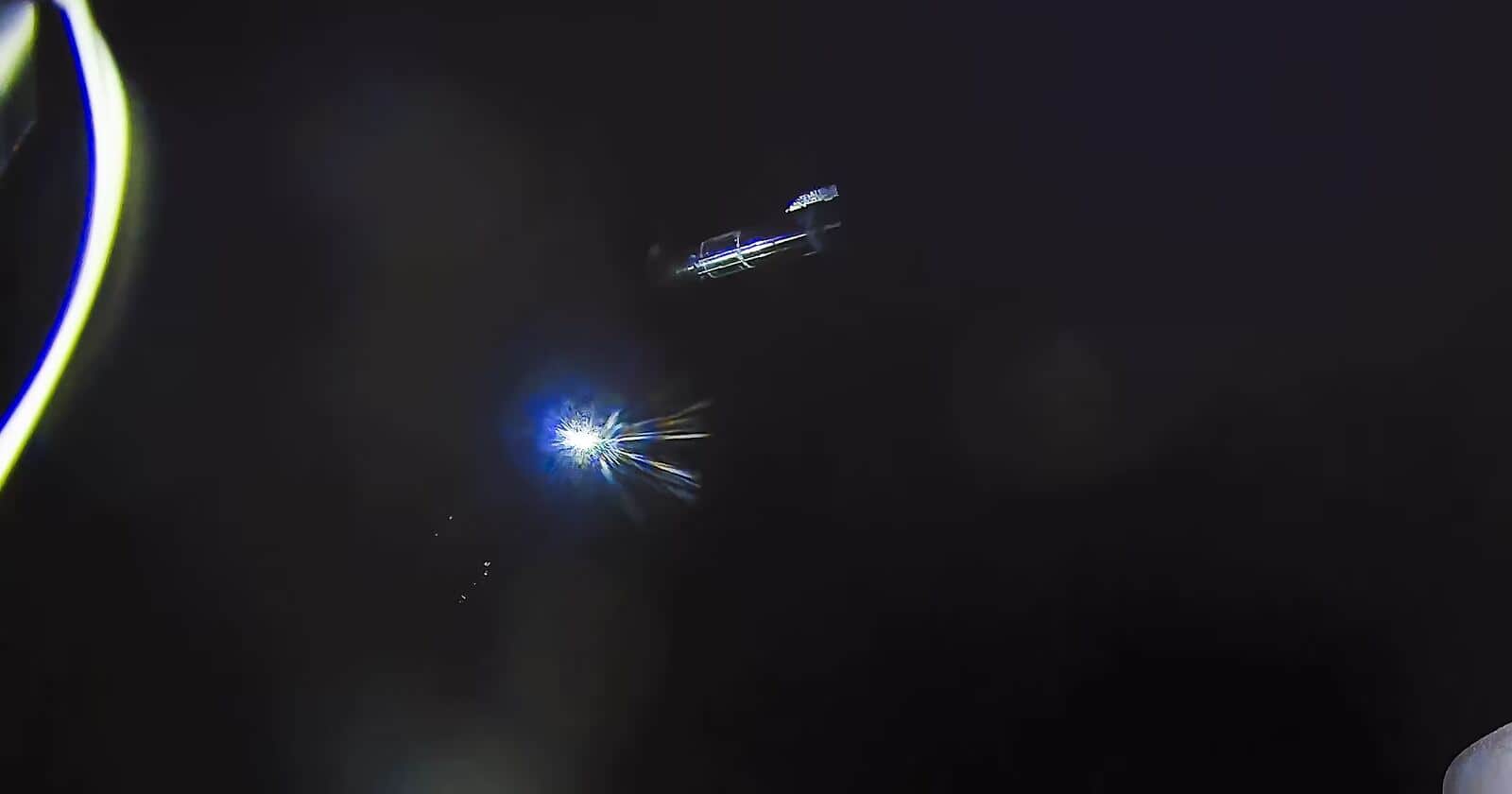
Image: ITzine
SpaceX has published the first images from its new Starlink V3 satellites, launched aboard Starship. The spacecraft deployed their solar panels, connected to the Starlink network and captured an image of the launch vehicle while still in space.
Photo: SpaceX
What Starlink V3 tested in flight
The images are only part of the test. SpaceX says each V3 satellite is designed to deliver more than 1 Tbps, while the network’s total capacity is expected to increase by more than 100 times compared with the current generation once the constellation is deployed.
After separation, the satellites opened their solar panels and began sending data through conventional radio links and laser inter-satellite connections. That tests the broader Starlink architecture, which relies not only on links to ground stations but also on satellites exchanging traffic with one another.
Recommended reading
Antares raises $470 million for military reactors
One of the satellites also photographed Starship itself. A bright glow is visible near the vehicle’s body, but SpaceX did not explain what caused it. The more significant result for the company is that the satellites entered an active operating mode and started returning initial system data instead of remaining in silent drift.
A first test for Starship’s satellite-delivery role
This was the first time Starship placed these types of satellites into orbit. That makes the mission a test of whether SpaceX’s heavy-lift vehicle can move beyond demonstration flights and become a regular transporter for large satellite batches.
Starlink already operates thousands of satellites, but V3 is intended to provide a major capacity increase rather than a minor hardware update. SpaceX is targeting that additional capacity for scenarios including a growing subscriber base and more demanding traffic.
The mission was not fully successful, however. The satellites did not reach a full orbit and burned up in the atmosphere approximately 20 minutes later, leaving SpaceX only a short window for both testing and photography. The company has not said when it will turn this demonstration into a regular scheme for delivering Starlink V3 satellites to orbit.
Frontier Editor
Dan is our resident futurist, covering electric mobility, space exploration, and the smart home. He's interested in atoms just as much as bits. Whether it's a new battery chemistry, a reusable rocket, or a protocol that finally makes IoT devices talk to each other, Dan breaks down the engineering that pushes humanity forward.
via ITzine