• 2 min read
Amazon seeks approval for 5,105 Leo satellites
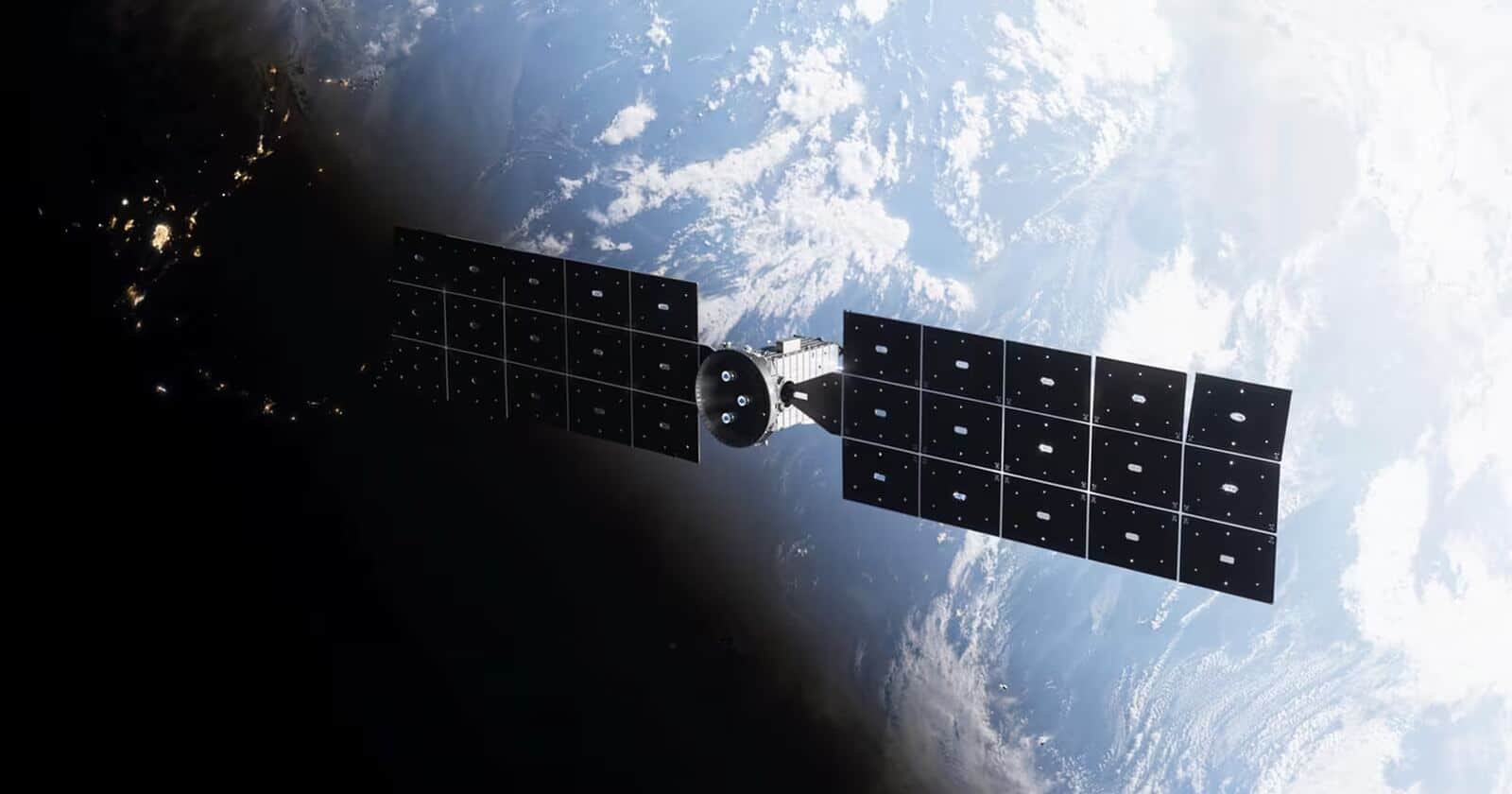
Amazon has asked the FCC to approve 5,105 satellites for Leo, a direct-to-device network supporting calls, messaging, emergency services, and IoT.

Image: TechRadar
Amazon has asked the US Federal Communications Commission (FCC) for permission to deploy 5,105 low Earth orbit (LEO) satellites for its Amazon Leo Direct-to-Device (D2D) project. The proposed network would support voice, data, messaging, emergency services, and Internet of Things connectivity.
The filing follows Amazon’s merger with Globalstar, which brought the US satellite telecommunications company’s operations, infrastructure, and global licenses and authorizations into Amazon’s business. Amazon Leo already has more than 390 satellites in orbit, allowing the company to begin D2D services before the full constellation is approved and deployed.
How Amazon Leo’s direct-to-device network works
Amazon Leo’s existing satellites will operate alongside Globalstar’s HIBLEO and C-3 satellite constellations. The system is designed to connect remote communities, businesses, and governments with high-speed, low-latency broadband.
Consumers will be able to access the service through Amazon’s Leo Nano, Leo Pro, and Leo Ultra high-performance antennas. Mobile devices with satellite-capable chipsets will be able to connect without an additional antenna.
Recommended reading
NASA’s Swift rescue tug starts spinning in orbit
Amazon also has an existing agreement with Apple. Compatible iPhone and Apple Watch models can use Amazon Leo for Emergency SOS, Messages, Find My, and Roadside Assistance services. The company has also identified potential uses in global fleet management, remote supply-chain operations, and IoT connectivity.
Amazon said it plans to continue working with mobile-network operators and other partners, including Vodafone, DirecTV, Herotel, and Australia’s National Broadband Network, as it develops the D2D service.
Five orbital shells and 2025 launches
Amazon Leo began its initial deployment in 2025, with more than 80 launches involving Arianespace, Blue Origin, SpaceX, and United Launch Alliance. The planned 5,105 satellites would be arranged across five orbital shells—groups of satellites sharing the same altitude and inclination.
The proposed coverage plan includes:
- Three shells covering mid-latitude regions, including North America, Europe, parts of Asia, and southern and central Africa.
- One shell covering high-latitude areas.
- One shell providing coverage in near-polar zones.
The satellites will use optical links for high-speed data transfer. Amazon also plans secure gateways connected across the planet through fiber networks.
The FCC has not yet approved the full constellation, and Amazon did not provide a completion date for the 5,105-satellite network. Until approval is granted, the company’s existing satellites and its work with Globalstar will support the initial D2D rollout.
Frontier Editor
Dan is our resident futurist, covering electric mobility, space exploration, and the smart home. He's interested in atoms just as much as bits. Whether it's a new battery chemistry, a reusable rocket, or a protocol that finally makes IoT devices talk to each other, Dan breaks down the engineering that pushes humanity forward.
via TechRadar