• 2 min read
Luch handled three times more distress signals
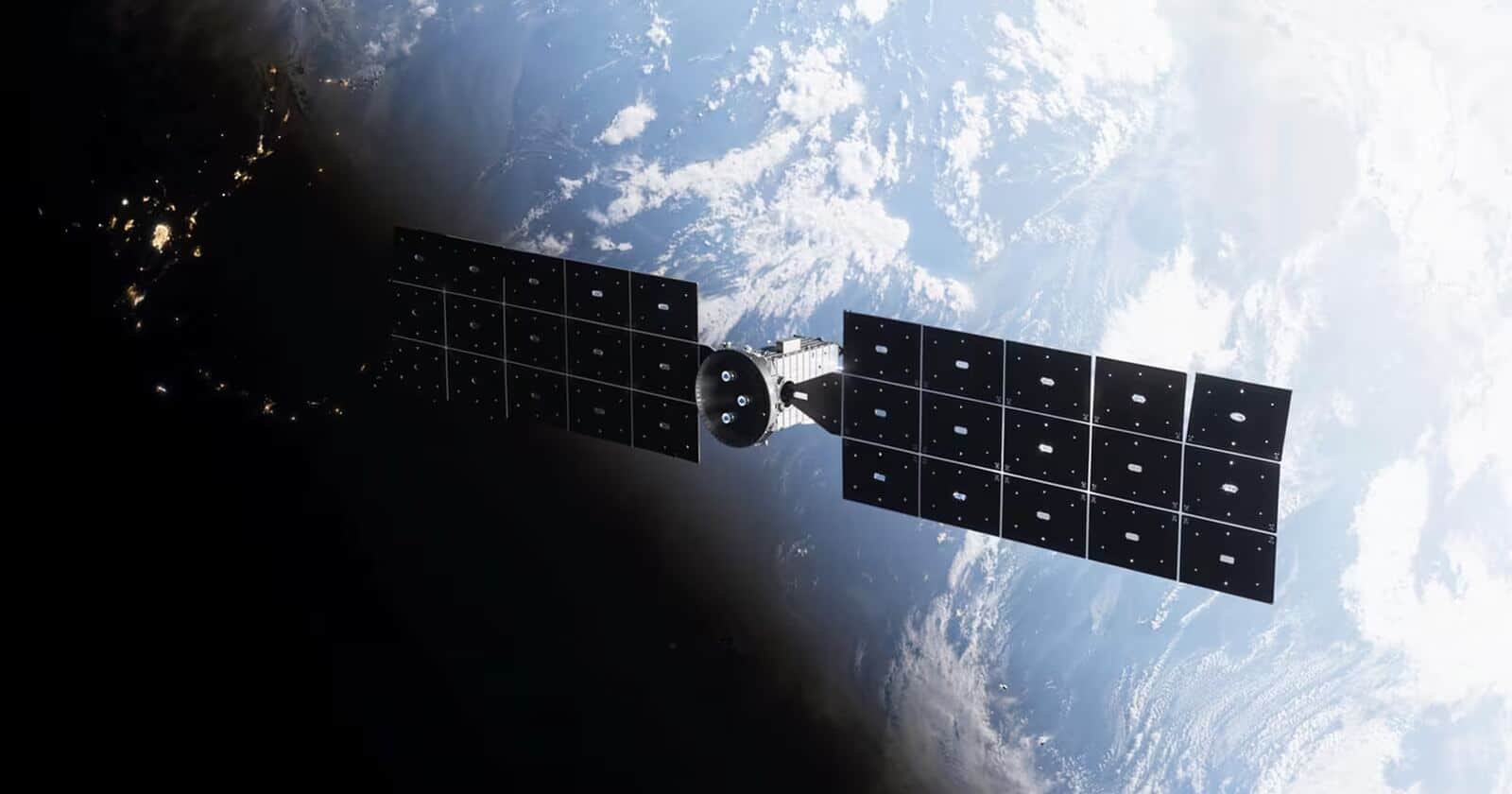
Russia’s Luch satellite system handled nearly three times more COSPAS-SARSAT distress messages after three NOAA satellites left service.
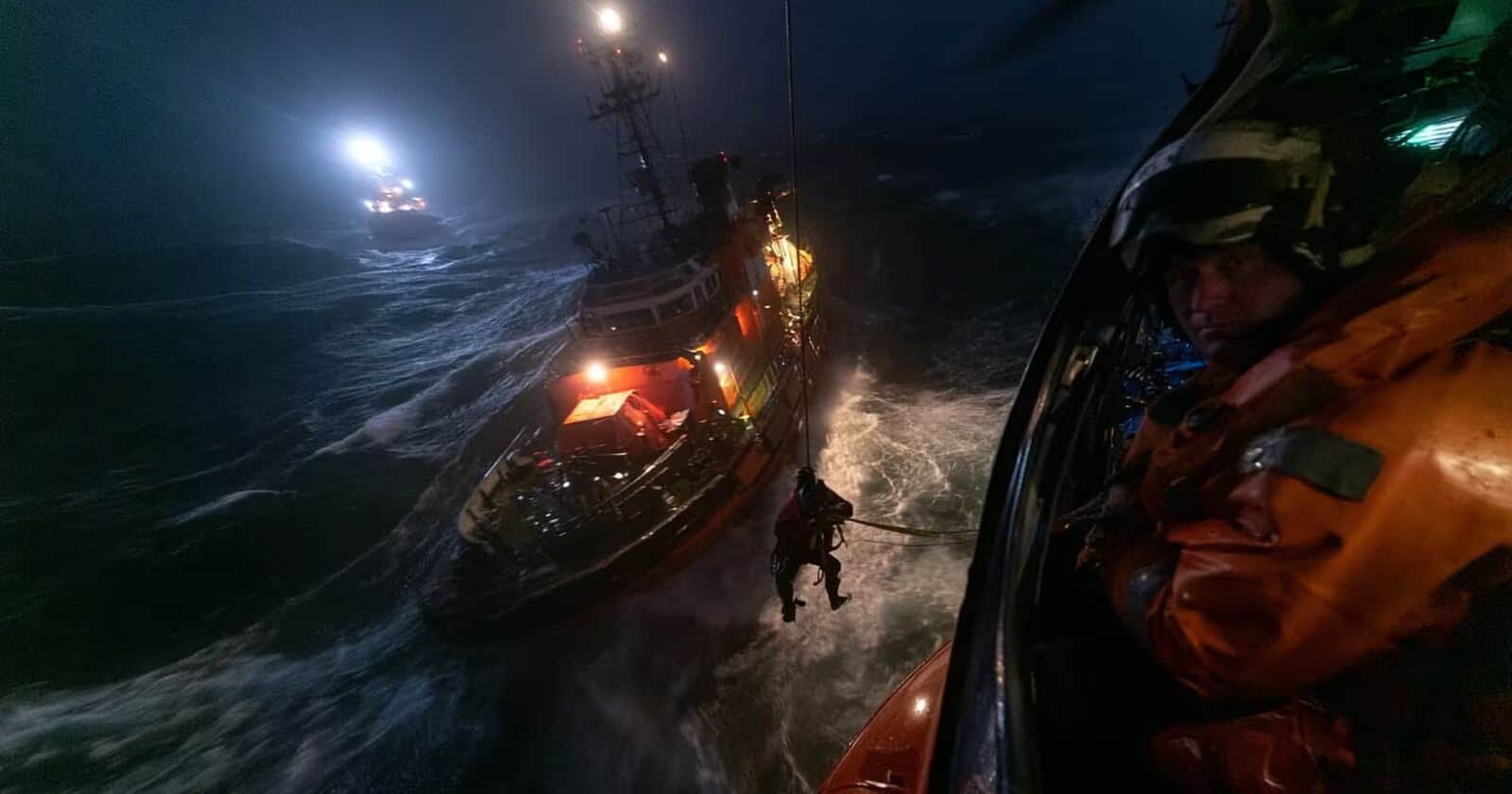
Image: ITzine
Russia’s Luch satellite system handled almost three times more messages in the international COSPAS-SARSAT search-and-rescue network during the second half of 2025 than it did at the beginning of that year, according to its operator. The traffic remained high in the first half of 2026.
The increase has two main causes. First, the number of emergency radio beacons in the system has grown. They are installed on marine vessels and small aircraft, while tourists and other travelers also carry them. These devices transmit distress signals that satellite systems relay to search-and-rescue services on land, at sea and in the air.
Second, three US low-Earth-orbit satellites—NOAA-15, NOAA-18 and NOAA-19—were removed from service. They had previously contributed to COSPAS-SARSAT, shifting more of the network’s traffic toward the Russian segment.
Recommended reading
NASA’s Swift rescue tug starts spinning in orbit
The Russian system includes more than Luch. The country’s COSPAS-SARSAT assets also include Meteor-M, Glonass-K, Elektro-L and Arktika-M. The higher load therefore provides a practical test of how the Russian segment handles a larger share of international distress traffic.
The retired NOAA satellites were launched in 1998, 2005 and 2009, respectively: NOAA-15 in 1998, NOAA-18 in 2005 and NOAA-19 in 2009. The traffic shift reflects both the retirement of aging spacecraft and the growing number of users carrying emergency beacons.
Technical journalist and news writer. Graduated from the Moscow Technical University of Communications and Informatics with a degree in information security. Covers hardware, software and consumer electronics since 2018.
Frontier Editor
Dan is our resident futurist, covering electric mobility, space exploration, and the smart home. He's interested in atoms just as much as bits. Whether it's a new battery chemistry, a reusable rocket, or a protocol that finally makes IoT devices talk to each other, Dan breaks down the engineering that pushes humanity forward.
via ITzine