• 3 min read
NASA’s Swift rescue tug starts spinning in orbit
NASA’s LINK rescue tug is spinning in orbit after attitude-control failures, threatening its plan to dock with Swift before the observatory reenters.
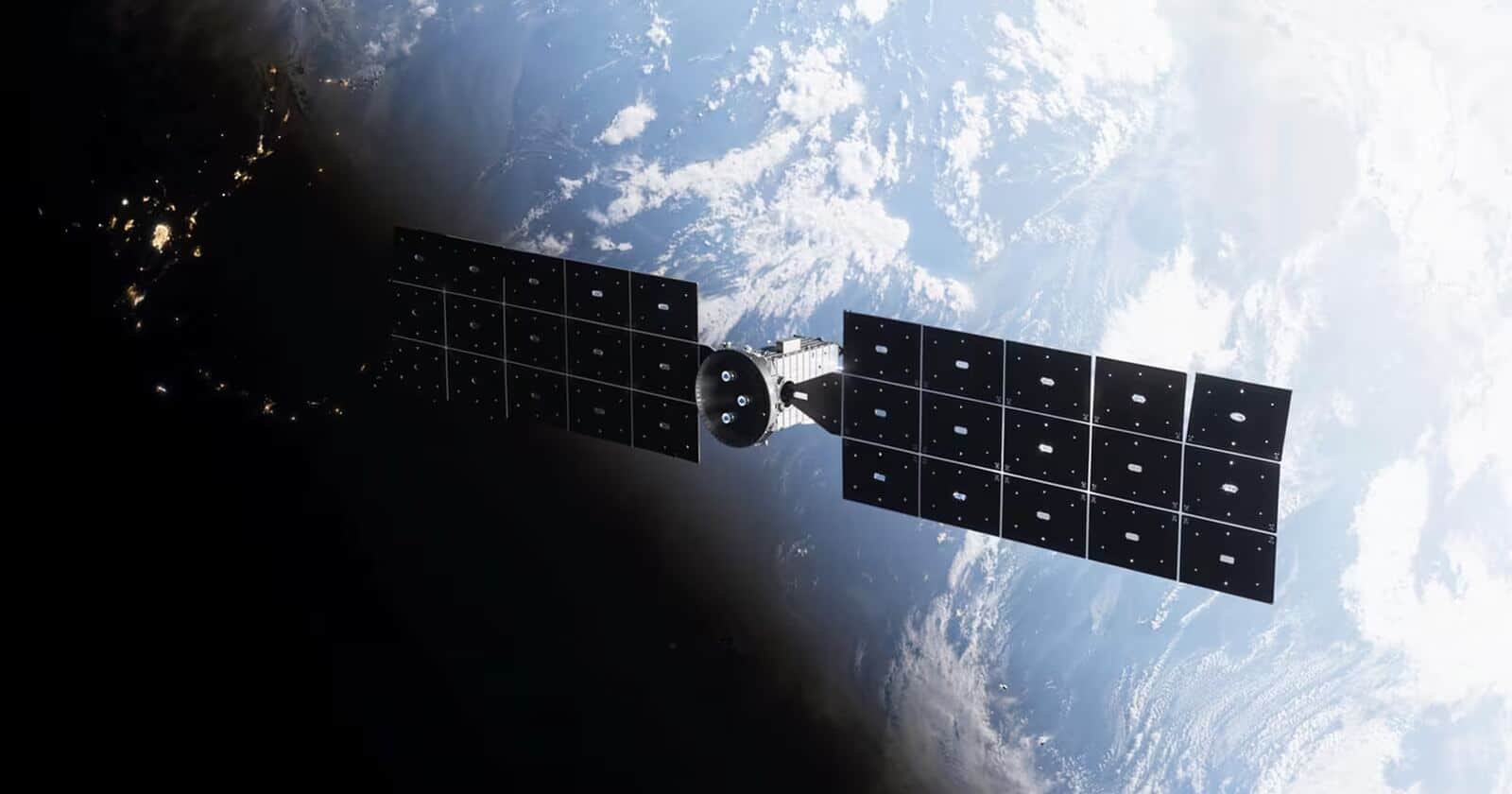
Image: ITzine
NASA’s LINK rescue tug has begun spinning uncontrollably in orbit, putting the agency’s plan to save the aging Swift observatory under pressure. The spacecraft has also developed an unstable communications link, although ground teams still retain contact and are working to regain control.
According to the Neil Gehrels Swift Observatory blog, LINK began experiencing attitude-control problems last week. The tug is rotating, and data transmission has become intermittent. Engineers are using its electric thrusters to stop the spin and restore a stable orientation.
LINK’s failures and the Swift rescue plan
Built by Arizona-based Katalyst Space, LINK is a robotic spacecraft designed to rendezvous and dock with Swift. It was supposed to raise the observatory to a higher orbit, extending its operational life by several years.
The mission now faces several hardware problems:

Recommended reading
Luch handled three times more distress signals
- Two of LINK’s three attitude-control reaction wheels are not working. These wheels let a spacecraft turn and maintain its orientation without consuming propellant.
- The tug’s cold-gas propulsion system has partially failed, limiting the maneuvers it can perform.
- Communications remain available, but data transmission is unstable.
The team hopes to halt the rotation with LINK’s electric thrusters, then rebuild its guidance and navigation plan around the spacecraft’s current condition. Only after that will NASA and Katalyst know whether the tug can approach Swift and complete the docking.
Katalyst remains confident, saying it still considers a rendezvous with the observatory achievable. The company did not provide a revised timeline. NASA has not yet said whether the current failures will change the mission’s planned schedule.
Why Swift has a narrow rescue window
NASA launched Swift in 2004 to observe gamma-ray bursts. The observatory is now losing altitude faster than expected because increased solar activity has expanded the upper atmosphere, making it harder for satellites in low Earth orbit to maintain their altitude.
NASA estimates that Swift could reenter the atmosphere as early as this year without intervention. That gives the rescue mission a particularly tight window: if LINK cannot be stabilized in the coming days, the original plan may have to be revised while the mission is underway.
NASA and commercial contractors have attempted similar life-extension missions before, using a servicing spacecraft instead of replacing an aging satellite. Northrop Grumman’s Mission Extension Vehicle, for example, docks with commercial satellites and operates as an orbital tug. Extending the life of an expensive platform can cost less than launching a replacement, but the approach depends on precise navigation, sufficient fuel and reliable hardware.
If LINK can be stopped and brought to Swift, the mission would give Katalyst a rare operational precedent. If it cannot, the incident will add to recent failures involving satellite services and orbital tugs—and leave NASA with a rescue plan that may no longer be viable in its original form.
Frontier Editor
Dan is our resident futurist, covering electric mobility, space exploration, and the smart home. He's interested in atoms just as much as bits. Whether it's a new battery chemistry, a reusable rocket, or a protocol that finally makes IoT devices talk to each other, Dan breaks down the engineering that pushes humanity forward.
via ITzine