• 4 min read
Why a 1,000-year CD cannot preserve your files
A 1,000-year CD cannot guarantee file survival. Experts say archives need copies, integrity checks and regular migration across media.
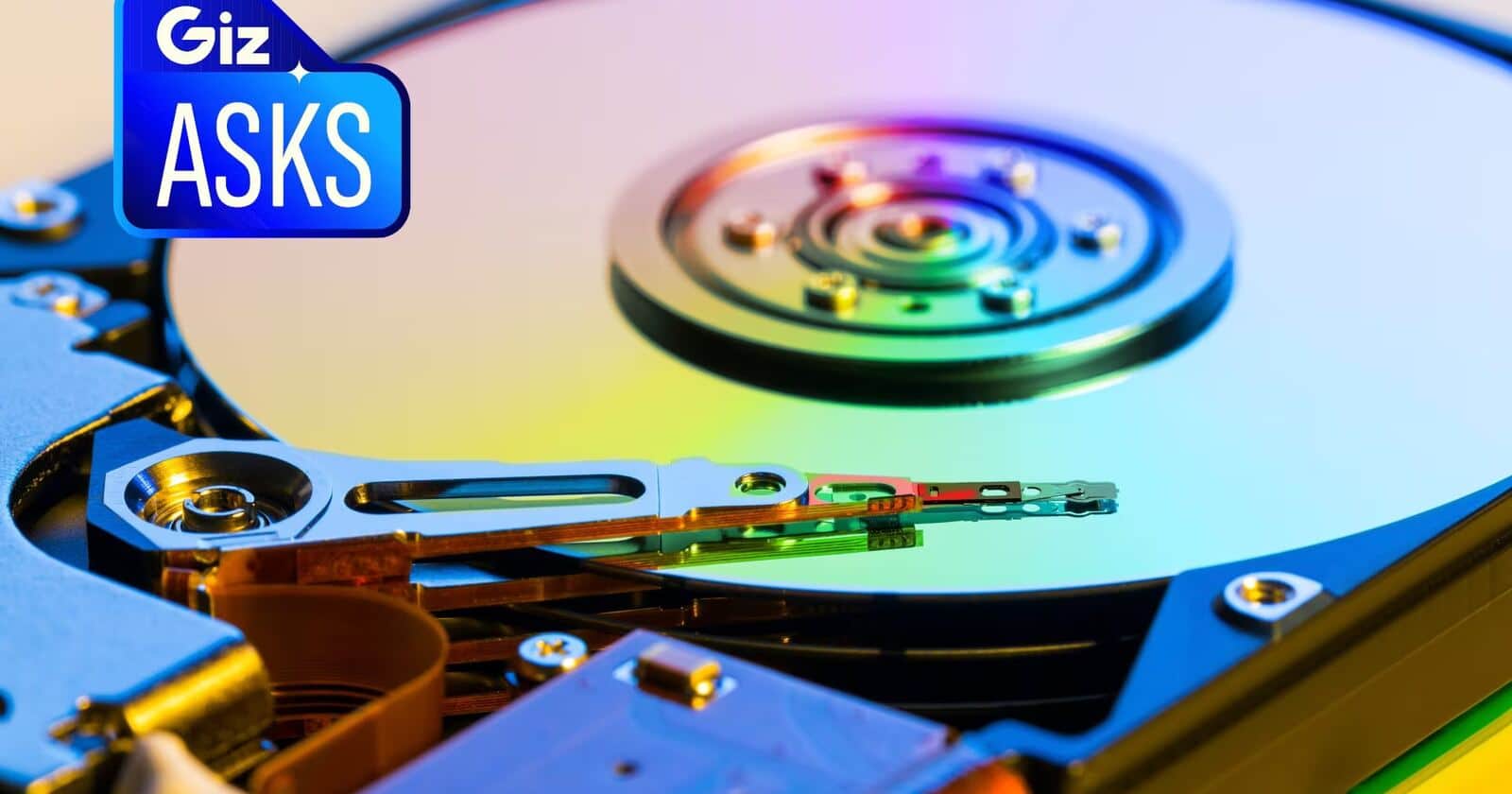
Image: ITzine
A 1,000-year CD would not guarantee that its files survive. In 2026, experts in archiving, cybersecurity and computing systems—as well as Microsoft—have reached the same conclusion: data storage is not a one-time act. Files must be copied, checked and migrated repeatedly.
The problem is larger than choosing between cloud services, hard drives, SSDs, optical discs and tape libraries. Every medium has a lifespan, while every archive carries an ongoing cost in electricity, compatible hardware, backups, staff and maintenance. Veritas estimates that about 24% of corporate data is “dark”—unused and therefore poorly controlled.
Why storage media fail over time
The common mistake is treating the storage medium as permanent. Hard drives wear out mechanically, SSDs can lose charge even when powered off, optical discs suffer layer degradation, and magnetic tape is vulnerable to chemical damage and obsolete drive formats.
Recommended reading
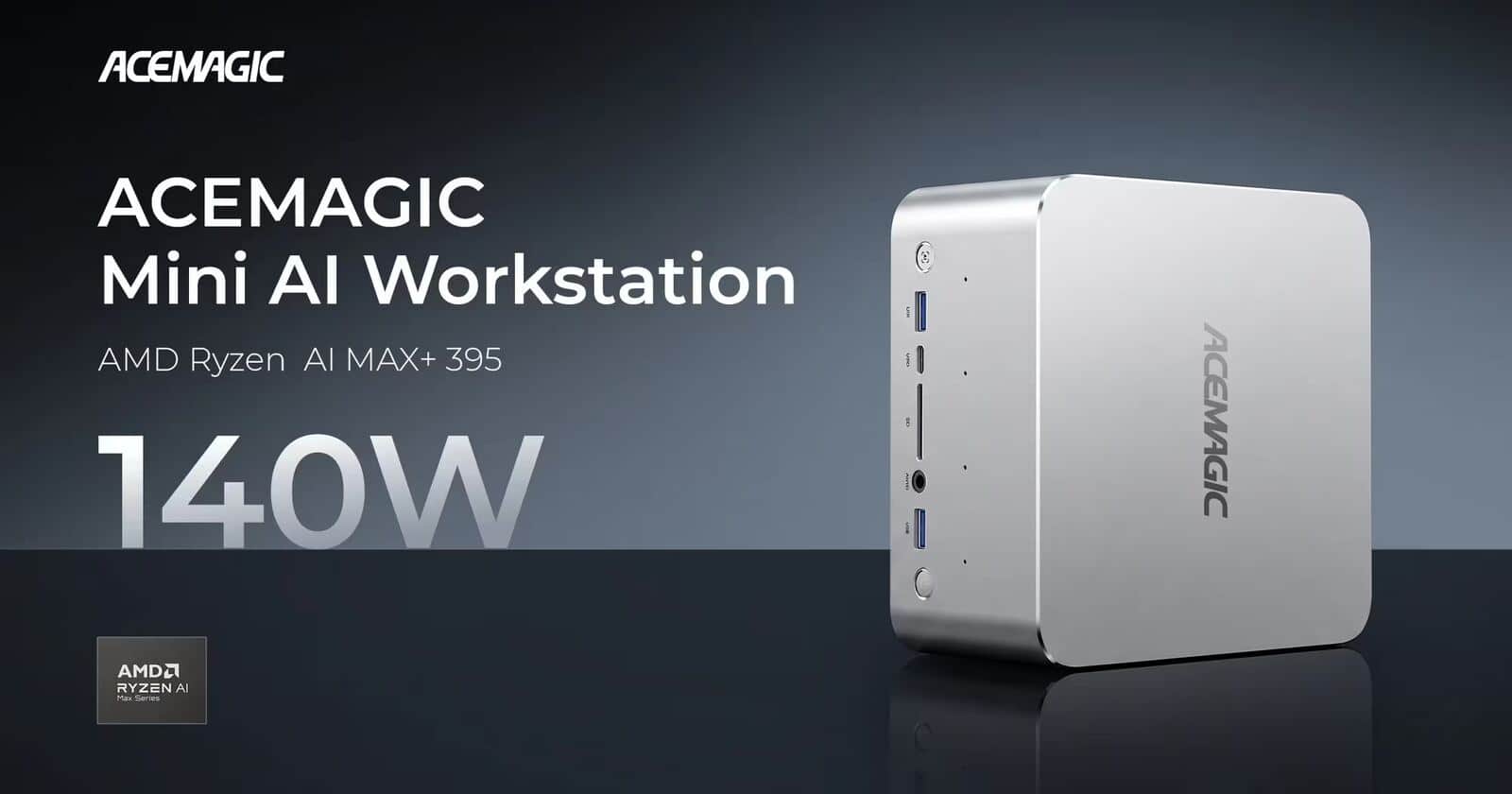
Acemagic packs Ryzen AI Max+ 395 into a 2-liter PC
Kevin Curran of Ulster University points to the limits of passive storage and cites an Iron Mountain test of discs from the 1990s. Roughly one in five discs sent for inspection was unreadable, despite having been stored carefully. A single failed drive can be replaced; broad media degradation can make an entire file collection inaccessible.
Francesca Musiani of France’s CNRS identifies another failure point: even if the medium lasts for centuries, the drive and software needed to read it may not. A file can disappear when its storage device fails, but it can also become unusable when its format, application, hardware or institutional context disappears.
Cloud storage addresses only part of the risk. It can protect against a local hardware failure, but it does not eliminate the danger of an account being closed, a pricing plan changing, a provider going bankrupt or a company deleting data. The question shifts from hardware to control: who controls access to the stored memory—the user, the platform or the holder of the keys?
Why long-term archiving requires maintenance
Data preservation is also an operating expense. A reliable archive needs power, redundant copies, personnel and infrastructure upgrades. Even a medium with a long technical lifespan cannot remove the need for someone to keep checking that the files remain readable and accessible.
That is why tape libraries remain in the data centers of Amazon, Google and banks. Access speed is often less important there than cost and longevity. Microsoft is also testing glass-based storage through Project Silica, but the source presents it as another stage in the search for durable storage—not a final solution.
The practices that protect files
Experts do not identify a single “miracle” medium. Their recommendations instead center on a managed preservation process:
- Keep multiple independent copies on different types of media.
- Store data with different providers or in separate storage locations.
- Check file readability and integrity regularly.
- Migrate archives to fresh media on a schedule, before older media begins to fail.
Jack Cushman of Harvard Law School explains the approach through the library principle behind LOCKSS, or “Lots of Copies Keep Stuff Safe.” The key is not merely having duplicates, but placing them behind different failure points. One archive could be hit by an attack, another by budget cuts and a third by regulatory action; distribution increases the chance that the collection survives.
Adnene Guabtni of CSIRO argues that preservation involves two separate goals: keeping the data itself and keeping control over it. Decentralized systems, cryptography and self-sovereign identity can make access depend on keys rather than a platform’s permission. But blockchain does not make an archive immortal if its network loses funding, developers or a reason to continue operating.
The durable part of an archive, then, is not necessarily the material that lasts the longest. It is the process that keeps producing verified copies and moving them to usable systems. A glass disc, an SSD or a tape library can extend the timetable, but today’s photos and documents will reach the next generation only if someone continues to copy, verify and migrate them.
Computing Editor
Tomas lives in the terminal. He covers chips, laptops, and operating systems with a focus on performance and efficiency. He reads kernel changelogs the way other people read fiction, and he's always on the hunt for the perfect mechanical keyboard switch. If it processes data, Tomas has an opinion on it.
via ITzine