• 2 min read
BMW cuts 8,000 jobs and picks Qualcomm for 10 years
BMW will cut 8,000 German jobs by 2027 and make Qualcomm its sole vehicle-computing supplier for 10 years.
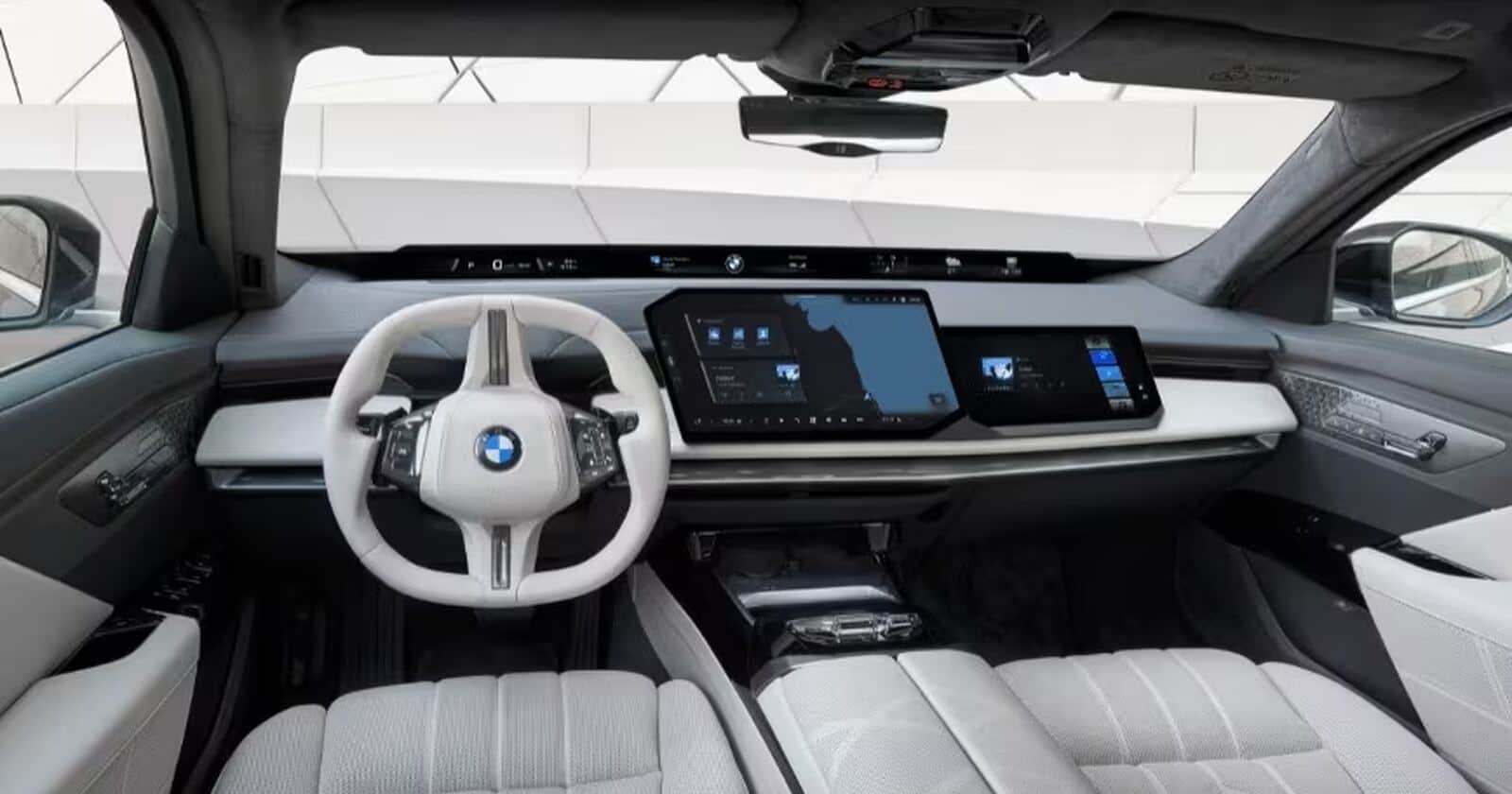
Image: ITzine
BMW plans to cut about 8,000 jobs in Germany by the end of 2027 while giving Qualcomm a 10-year exclusive role supplying computing platforms for its next-generation vehicles.
The reductions will be carried out through a voluntary-severance program, primarily affecting administrative and engineering teams. BMW says its production lines will not be affected, putting the focus on office functions as the automaker reshapes its cost base.
What Qualcomm will supply for Neue Klasse
The agreement is tied to BMW’s Neue Klasse, the next generation of vehicles. Qualcomm’s Snapdragon Digital Chassis platforms will handle two major electronic layers:
- The digital cockpit and driver interface
- Automated-driving and driver-assistance functions
Automakers typically source these computing areas from different suppliers to reduce dependency on a single contractor. BMW is taking the opposite approach, assigning both core domains to Qualcomm for 10 years.
Recommended reading
Zoox wins US approval to charge for robotaxi rides
That gives Qualcomm more than a one-off component contract. The company will become the sole supplier of the computing platforms underpinning the vehicle’s cockpit and automated-driving systems. As cars add more software functions, processors, connectivity, sensors, and the overall computing architecture become central to how quickly and efficiently the vehicle can process camera and radar data.
BMW is already signaling how the arrangement may work in practice. Snapdragon Ride Pilot is used in the electric BMW iX3, where it supports driving without driver participation. The source does not specify when the full Neue Klasse lineup or the 10-year supply arrangement will begin beyond linking it to the next vehicle generation.
Why BMW is cutting jobs now
The immediate pressure is strongest in China. BMW’s sales there fell 30% in the second quarter, forcing the company to lower its profit forecast. China had been one of the German premium automaker’s key sources of growth and margin.
The workforce reduction is part of a broader restructuring under new company chief Milan Nedeljkovic. BMW is cutting permanent costs while trying to accelerate its shift toward software-controlled vehicles. Other German automakers are also reducing spending or changing their business structures: Volkswagen is discussing major cost cuts, Mercedes is changing its business architecture, and Porsche plans to reduce its workforce by about 20% by 2035.
Concentrating both vehicle-computing layers with Qualcomm could simplify BMW’s technology setup and support the Neue Klasse transition. It also leaves the automaker with less flexibility if it later needs to change the architecture, since switching away from one strategic supplier would be harder than managing several vendors.
Frontier Editor
Dan is our resident futurist, covering electric mobility, space exploration, and the smart home. He's interested in atoms just as much as bits. Whether it's a new battery chemistry, a reusable rocket, or a protocol that finally makes IoT devices talk to each other, Dan breaks down the engineering that pushes humanity forward.
via ITzine