• 3 min read
Zoox wins US approval to charge for robotaxi rides
Zoox can charge for rides in its steering-wheel-free robotaxis after a two-year NHTSA exemption covering up to 5,000 vehicles.
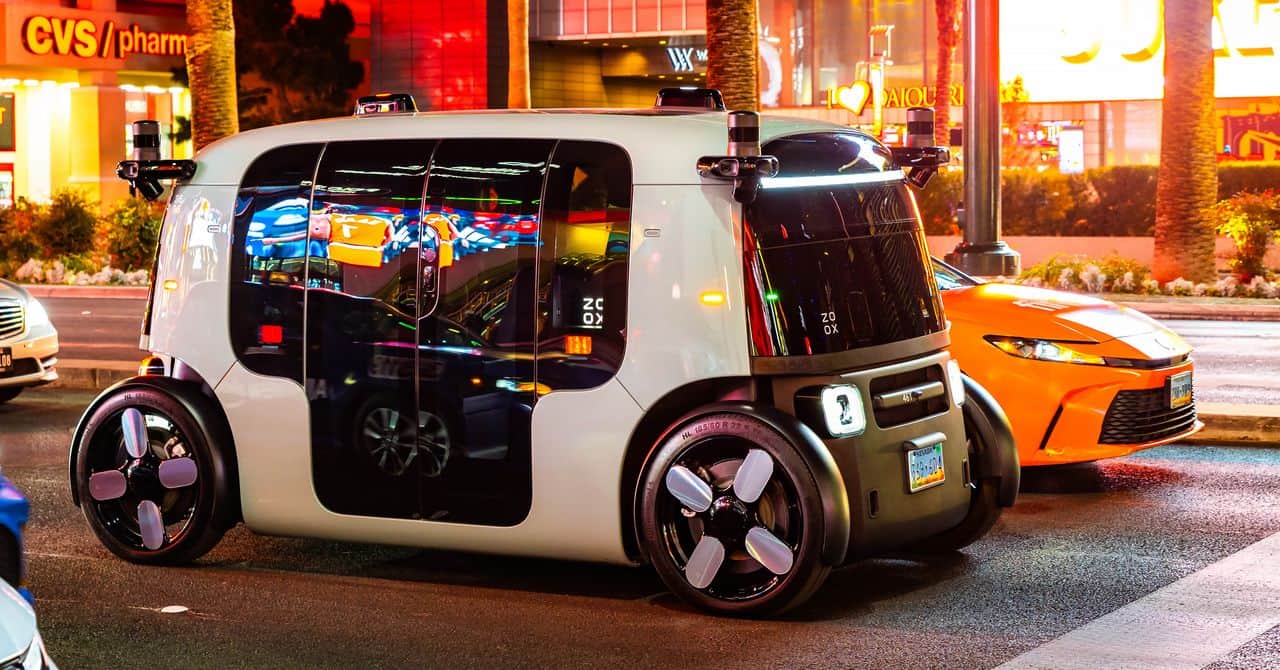
Image: Wired
Zoox has received the first US approval allowing a purpose-built vehicle with no steering wheel or pedals to carry paying passengers. The National Highway Traffic Safety Administration (NHTSA) announced the approval on Thursday, clearing Amazon’s autonomous-vehicle subsidiary to begin charging for rides in Las Vegas.
Zoox has carried passengers there for free since last year. It also offers free rides to a limited number of passengers in Austin, Miami, and San Francisco.
What the Zoox exemption allows
The NHTSA granted Zoox a two-year exemption from federal vehicle safety standards written around conventional cars. The exemption allows the company to deploy up to 5,000 robotaxis.
Recommended reading
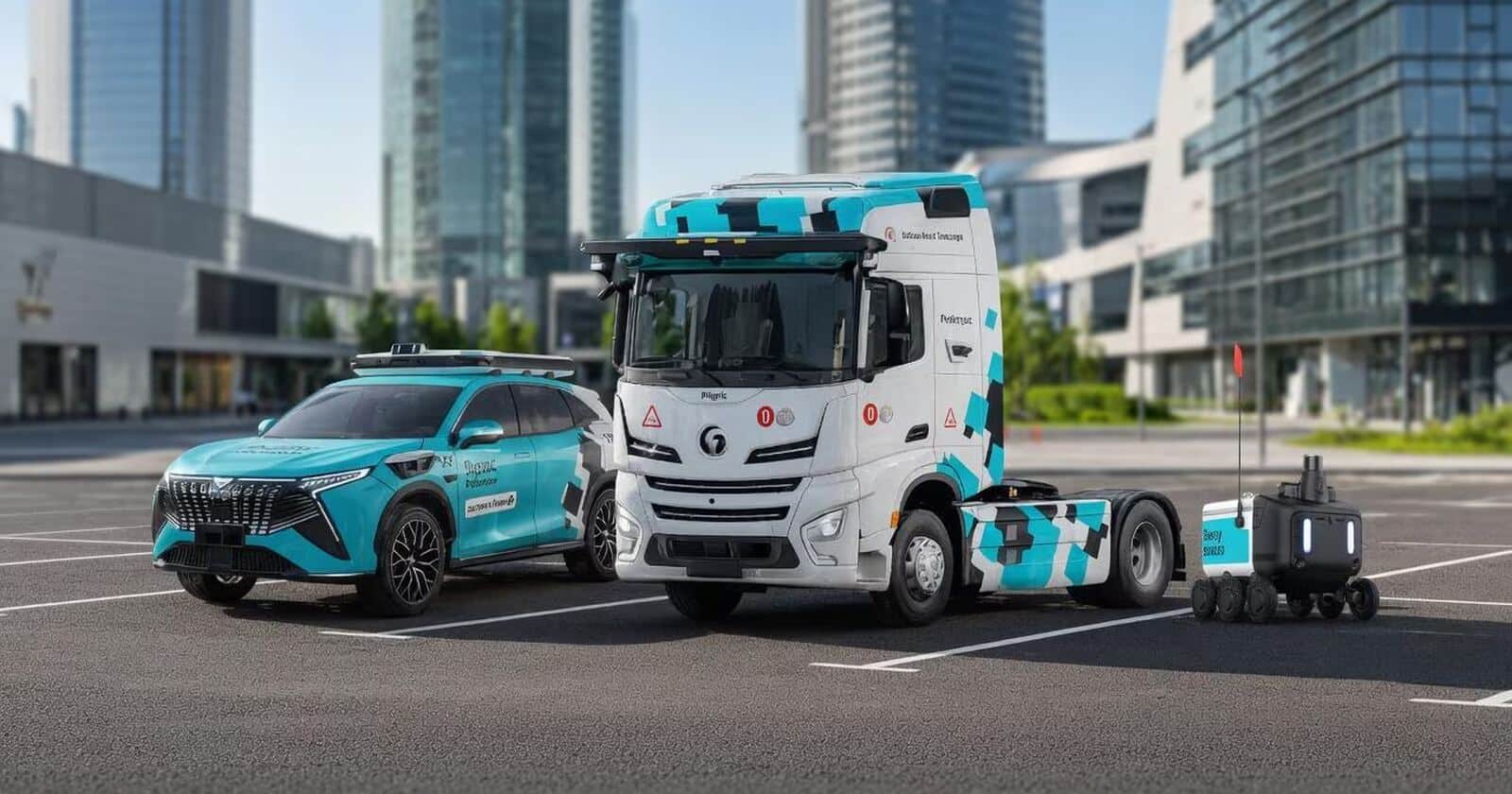
Yandex robot drives 700 km without a driver
Zoox’s vehicles were designed to operate without human control. They have no steering wheels or pedals and use a “campfire-style” seating arrangement, with passengers facing one another. The company has spent more than a decade designing, manufacturing, and seeking approval for the vehicles.
In exchange for the exemption, Zoox will face stricter government oversight. It must submit additional data about crashes and unexplained stops, and the NHTSA can withdraw the exemption if it determines that the vehicles are not operating safely.
At an industry conference in San Diego on Thursday, NHTSA Administrator Jonathan Morrison said Zoox had demonstrated performance exceeding the safety standards applied to traditional cars.
“This technology needs to be developed appropriately, safely and responsibly. If we see an unreasonable risk to safety, you’re going to hear from us.”
How Zoox differs from Waymo and Tesla
The approval marks a distinction between Zoox and Waymo, currently the leading robotaxi provider in the US. Waymo’s vehicles still comply with government design standards, including steering wheels, pedals, mirrors, and conventional seating. Even its newer purpose-built robotaxi includes those legally mandated features.
Other autonomous-vehicle companies have argued that fully driverless technology will reach its potential only with vehicles built specifically for computer control, rather than cars designed around older human-driving requirements. Zoox is the first company to secure approval for that approach while charging customers.
Tesla said it began testing its steering-wheel-free Cybercab late last month, but has not explained how it might obtain government approval. Tesla’s limited robotaxi service currently uses modified Model Y vehicles with steering wheels and pedals.
Safety oversight and Zoox’s operating record
Morrison’s approval comes as the NHTSA is scrutinizing how autonomous vehicles respond to emergency personnel. Earlier this month, he published an open letter warning of a “clear pattern” of autonomous vehicles interfering with first responders.
“To state it bluntly: An AV that cannot safely interact with first responders is a danger to the general public.”
Morrison said the NHTSA would meet with several companies about their proposed solutions and directed them to prioritize the issue.
Zoox says its vehicles have autonomously transported more than 500,000 riders over more than three million miles, even before receiving approval to charge for rides. But the company also issued a voluntary software recall earlier this month after discovering that its vehicles might fail to detect smoke properly and could obstruct emergency response.
A government filing related to that recall showed that Zoox has 105 active robotaxis. Reaching the newly authorized limit of 5,000 vehicles will therefore require a substantial expansion of its current fleet.
Frontier Editor
Dan is our resident futurist, covering electric mobility, space exploration, and the smart home. He's interested in atoms just as much as bits. Whether it's a new battery chemistry, a reusable rocket, or a protocol that finally makes IoT devices talk to each other, Dan breaks down the engineering that pushes humanity forward.
via Wired