• 3 min read
Curiosity finds warm underground water may have persisted on Mars
NASA’s Curiosity rover has found fresh evidence that Mars may have kept warm, chemically active underground water long after surface lakes and rivers dried up. The clue comes from minerals in Gale crater, and it suggests
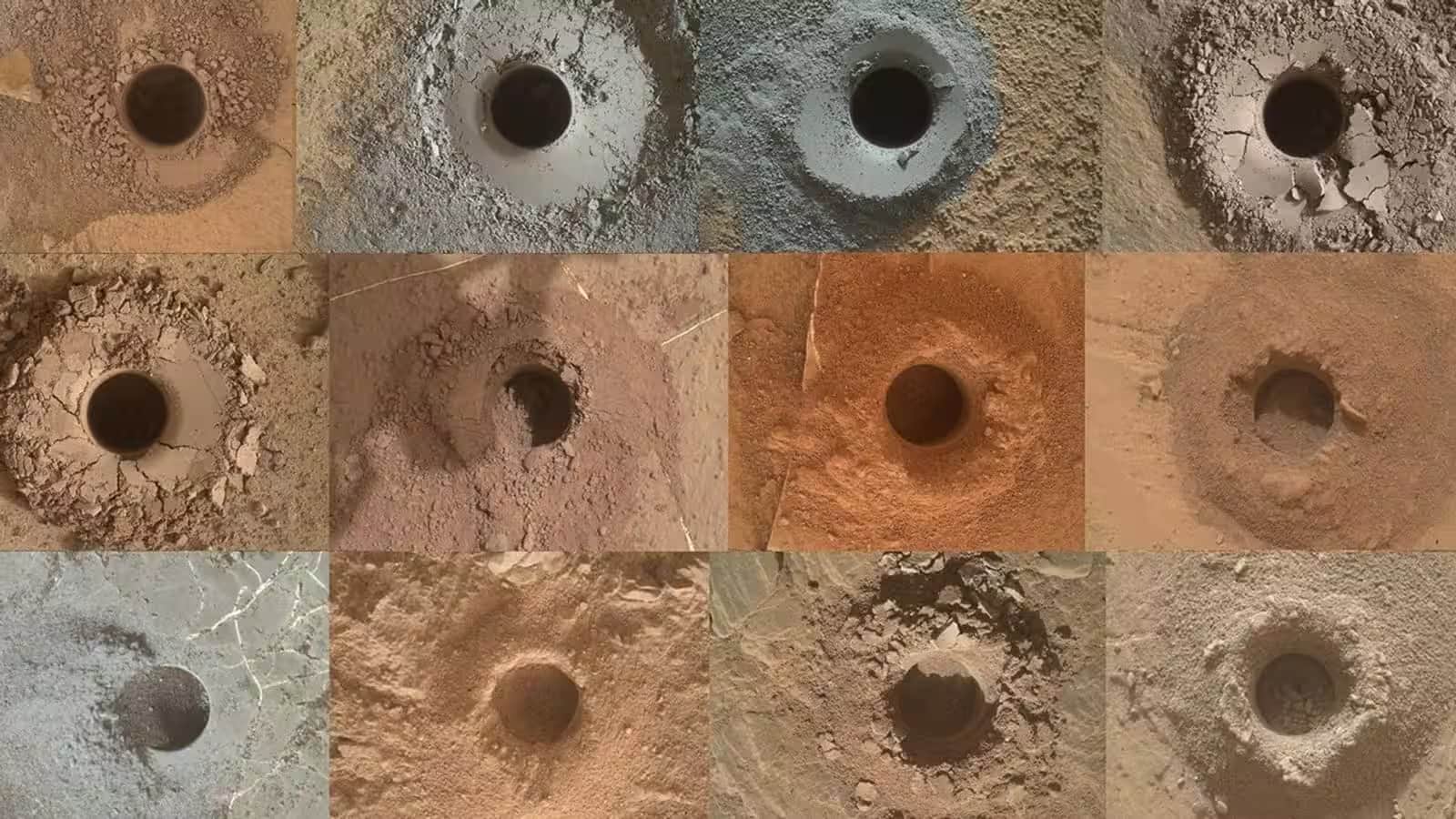
NASA’s Curiosity rover has found fresh evidence that Mars may have kept warm, chemically active underground water long after surface lakes and rivers dried up. The clue comes from minerals in Gale crater, and it suggests the Red Planet’s habitability window may have been more stubbornly persistent below ground than on top of it.
That matters because Mars is usually told as a simple story: wet, then dry, then frozen out. The new mineral data makes that tale messier and more interesting. If water survived in the subsurface for millions of years, the best places to look for ancient life may not be the obvious old shorelines at all, but buried rock layers that sat in the dark.
What Curiosity found in Gale crater
The rover’s analysis focused on 20 rock samples collected at different elevations on Mount Sharp inside Gale crater. Lower layers are older and formed when water was still present on Mars, while higher layers are younger and reflect the planet’s slow transition toward a colder, drier state.

Recommended reading
Samsung’s July 22 event points to three new foldables
The standout result was in hematite, an iron oxide mineral whose crystal size changed sharply with height. In the upper layers, crystals were extremely small, under 10 nanometers. In the lower layers, they reached about 65 nanometers. That difference points to very different formation conditions, not just a tidy little mineral quirk.
- 20 rock samples analyzed from Gale crater
- Hematite crystals under 10 nanometers in upper layers
- Hematite crystals about 65 nanometers in lower layers
- Possible persistence of underground water systems for up to 4.7 million years
A shift from surface water to buried reservoirs
Researchers looked at a process called Ostwald ripening, where smaller crystals dissolve over time and their material migrates to larger ones under stable conditions. The pattern seen in Gale crater fits that idea, but only for the lower layers, where a warmer underground system could have kept water flowing and minerals changing slowly.
In the upper layers, the story is different. There, the presence of goethite suggests a colder environment and a changing geochemical setting, one in which liquid surface water would have been unstable and short-lived. In other words, Mars may not have lost water everywhere at once; it may have simply hidden it.
Why the carbonates and isotopes matter
The Curiosity result does not stand alone. Data from Perseverance and other Curiosity instruments have already pointed to large carbonate deposits, which would have locked carbon dioxide into rock and weakened the greenhouse effect that once helped keep Mars warmer. Isotope measurements also show signs of heavy water loss through evaporation, backing the idea that surface reservoirs gradually thinned out.
Put together, those clues describe a planet that cooled and dried at the surface while still sheltering pockets of water underground. That is a more awkward timeline for Mars, but a better one for astrobiology. A buried, stable water system buys chemistry time, and chemistry time is what life tends to want.
Where the next hunt for ancient life goes
The new result pushes future missions toward subsurface rock rather than only ancient lakebeds and deltas. If underground aquifers really lasted that long, they become the more promising target for biosignatures, especially in places where surface conditions would have turned hostile far too quickly.
The question now is not whether Mars once had water. It is how much of that water retreated below ground, how long it stayed there, and whether any of those buried habitats were stable enough for life to get started before the planet shut the door.

Gadgets Editor
Eli is obsessed with the tangible future. He reviews phones, wearables, and everything with a battery. Known for his rigorous testing protocols and unabashed teardowns, Eli has broken more review units than he cares to admit, all in the name of discovering the truth about durability and repairability.