• 2 min read
Zeekr 9X blocks key features after Kazakhstan crossing
A Zeekr 9X owner lost navigation and other controls after entering Kazakhstan. Zeekr blamed anti-theft geofencing and later removed the restrictions.
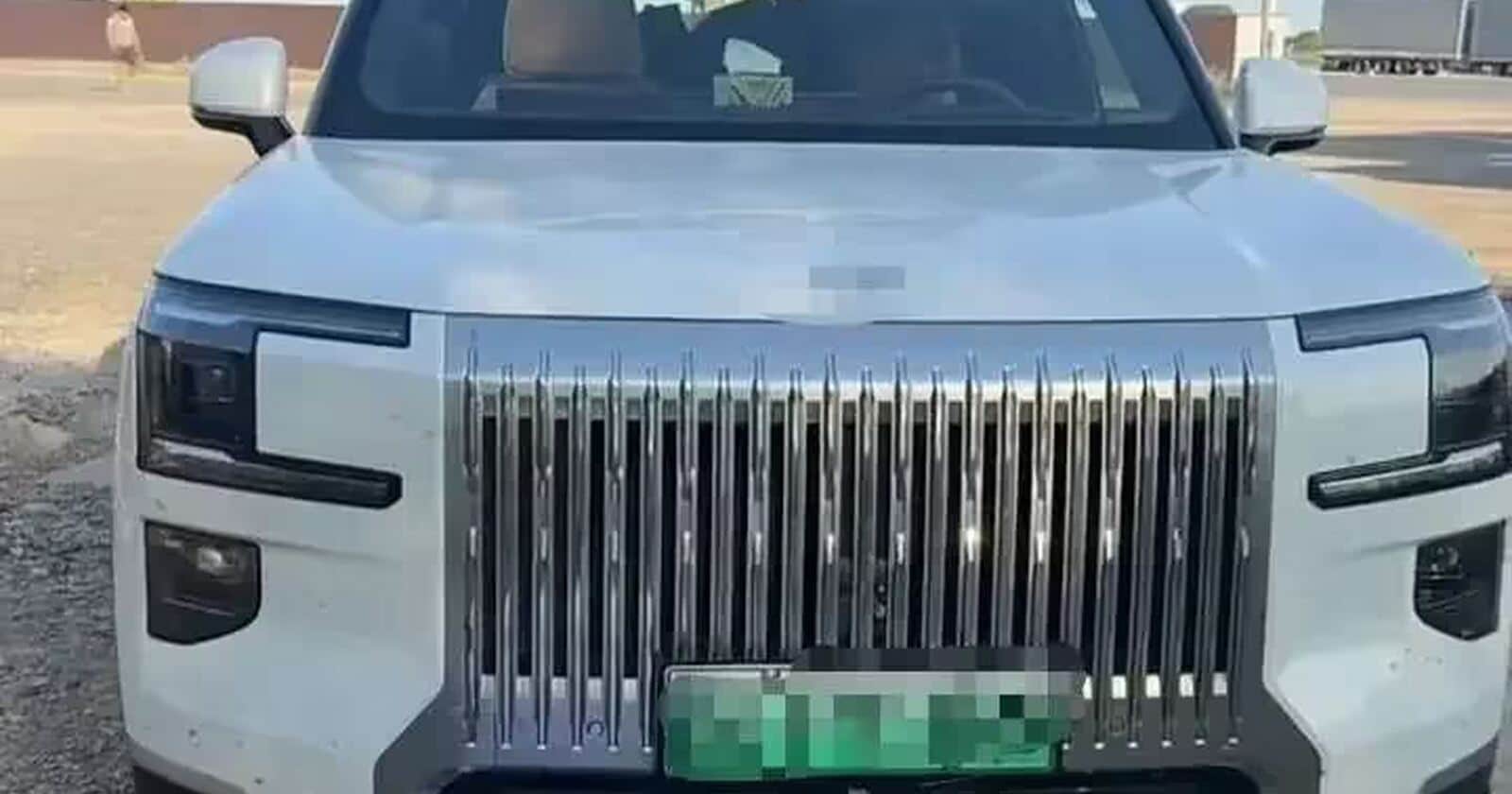
Image: ITzine
A Zeekr 9X owner lost access to several digital features after crossing from China into Kazakhstan, apparently because the premium SUV detected that it had left its home market. Navigation, powered tailgate controls and access to the fuel-filler flap stopped working at the border, according to a report by ITzine.
The incident quickly spread across Chinese social media because the vehicle costs approximately $73,500. The owner, identified by the surname Liu, said he bought the SUV about six months ago and showed it to a dealer before setting off for Europe. He said the dealer did not warn him that functions could be restricted outside China.
The disruption lasted for more than 30 hours. Zeekr later attributed it to the vehicle’s built-in security system, which it said detected that the SUV was outside China and activated safeguards intended to prevent theft, illegal exports and similar activity.
The restrictions did not affect core driving systems, including steering, braking and the transmission. Some features could also be restored manually—for example, using the physical release button for the fuel flap or charging port.

Recommended reading
Mobileye CEO Amnon Shashua will step down
Why Zeekr 9X features were restricted
Geographically controlled vehicle functions are not new. Manufacturers have long limited navigation, remote access and online services when cars enter unsupported regions. The Zeekr 9X case stands out because the restrictions extended beyond convenience features to controls used in everyday operation, even though they did not directly affect driving.
The issue is becoming more visible as Chinese electric vehicles and hybrids expand beyond the domestic market. China established itself among the world’s largest vehicle exporters in 2024, while exports of electric vehicles and hybrids became a major source of growth. Automakers are consequently trying to distinguish ordinary international buyers from gray-market exporters, particularly for expensive models sold through parallel channels.
Zeekr said that, after reviewing Liu’s vehicle, it removed the restrictions and confirmed that the trip was legal. However, the company’s warning that unlocking may work only in a single region exposes a weakness in this approach: a long journey across several countries could trigger the block again. For owners, that turns a geographic trip into a dependency on software rules that may not match the reality of their route.

Frontier Editor
Dan is our resident futurist, covering electric mobility, space exploration, and the smart home. He's interested in atoms just as much as bits. Whether it's a new battery chemistry, a reusable rocket, or a protocol that finally makes IoT devices talk to each other, Dan breaks down the engineering that pushes humanity forward.
via ITzine