• 2 min read
xAI Claims a 2 Trillion-Parameter Model
xAI says its nearly finished 2-trillion-parameter model already beats Grok 4.5, while raising fresh questions about speed, quality, and cost.

Image: ITzine
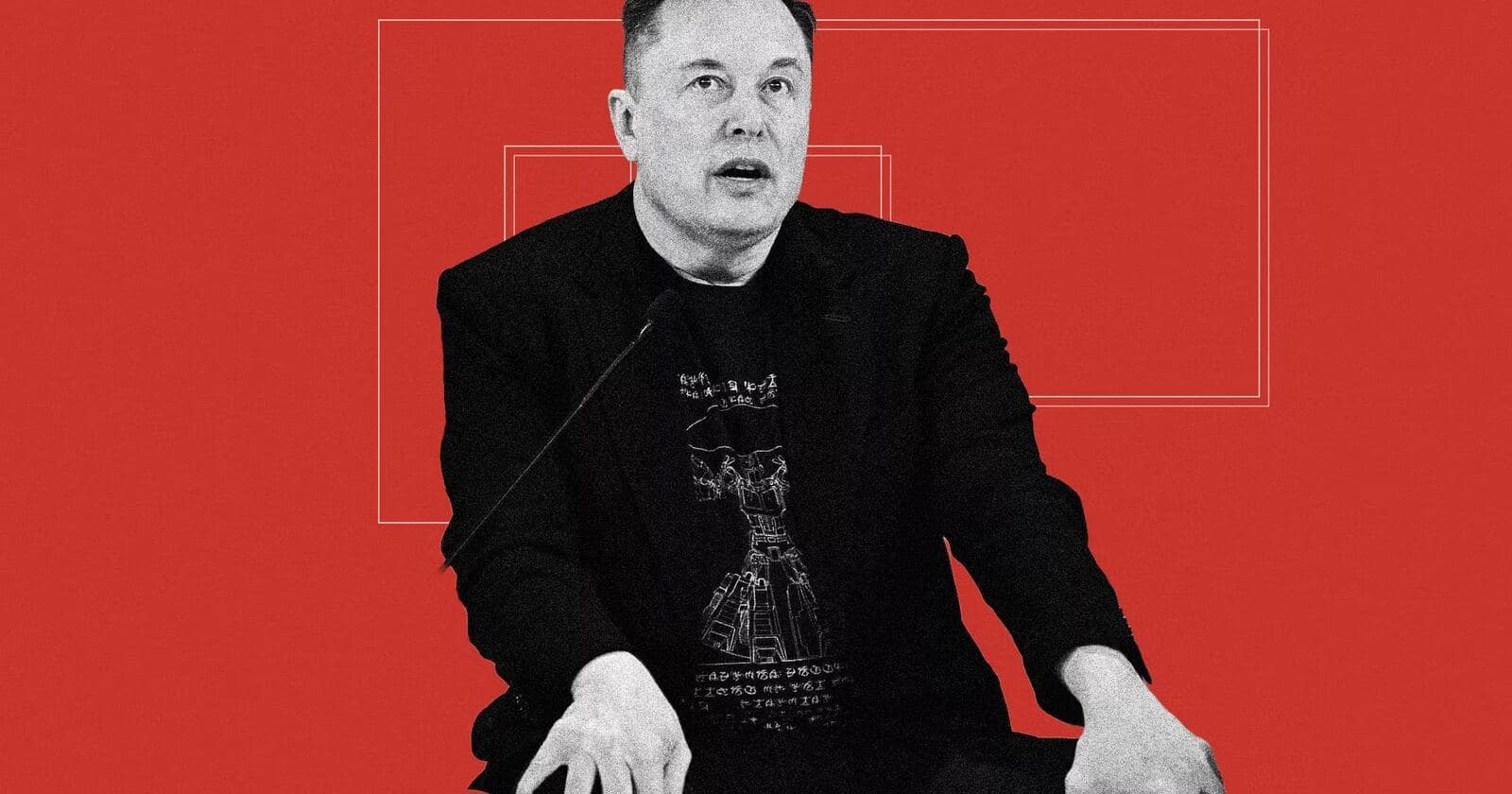
Elon Musk says xAI is nearly finished training a new language model with 2 trillion parameters. According to Musk, the system already outperforms Grok 4.5 across all major metrics, with the first training phase expected to finish next week.
Musk also suggested that the model could surpass Kimi, while retaining the speed and efficiency of the older Grok. The claims place xAI in a familiar race for larger models—but the competitive debate is increasingly shifting beyond parameter counts.
Model size versus inference costs
Companies and developers are paying closer attention to the price per response, output speed, and the amount of compute required to produce each result. Researcher Min Choi said Grok 4.5 has around 1.5 trillion parameters, compared with approximately 2.8 trillion for Kimi K3. Based on his calculations, tasks performed with Kimi cost roughly three times more.

Recommended reading
Apple Delays Baltra AI Server Chip
That comparison gives xAI’s positioning a clearer context: the company is presenting scale alongside the promise of extracting more value from the same computing resources. OpenAI, Google, and Chinese AI laboratories have also pursued maximum model size, while other developers emphasize architecture, training methods, and inference efficiency.
Grok, Kimi, and the race to scale
xAI is not new to this contest. Musk has repeatedly used the Grok product line to demonstrate that the company can move quickly toward the leading group in generative AI. This time, however, the focus appears to be as practical as it is promotional: parameter count, response speed, and the cost of completing tasks.
China’s AI sector is advancing on a parallel track. Moonshot AI presented Kimi K3 as the largest open-source model, quickly making it part of the broader leadership discussion. One company expands its model, another responds with openness or efficiency, and the market weighs which advantage matters most to businesses and developers.
The claim of 2 trillion parameters does not by itself establish that xAI’s model will be better. But the direction of competition is clear. In 2025 and 2026, AI development has increasingly moved from simply increasing capability toward balancing quality, price, and speed—factors that determine which systems reach enterprise deployments and consumer services.
If xAI completes the first training phase next week as Musk predicts, the next comparisons are likely to focus not only on answer quality but also on the cost of running the model in real-world scenarios.

AI Editor
Ava covers the rapidly evolving world of artificial intelligence, from foundational models and research labs to the real-world economics of intelligence. With a background in computational linguistics, she cuts through the hype to find out what actually works. She firmly believes that benchmarks are just marketing until reproduced in the wild.
via ITzine