• 3 min read
xAI Sues Grok User Over Sexual Deepfakes
xAI is suing Grok user Terry Wayne Harwood over alleged child sexual exploitation material and non-consensual images generated with the chatbot.
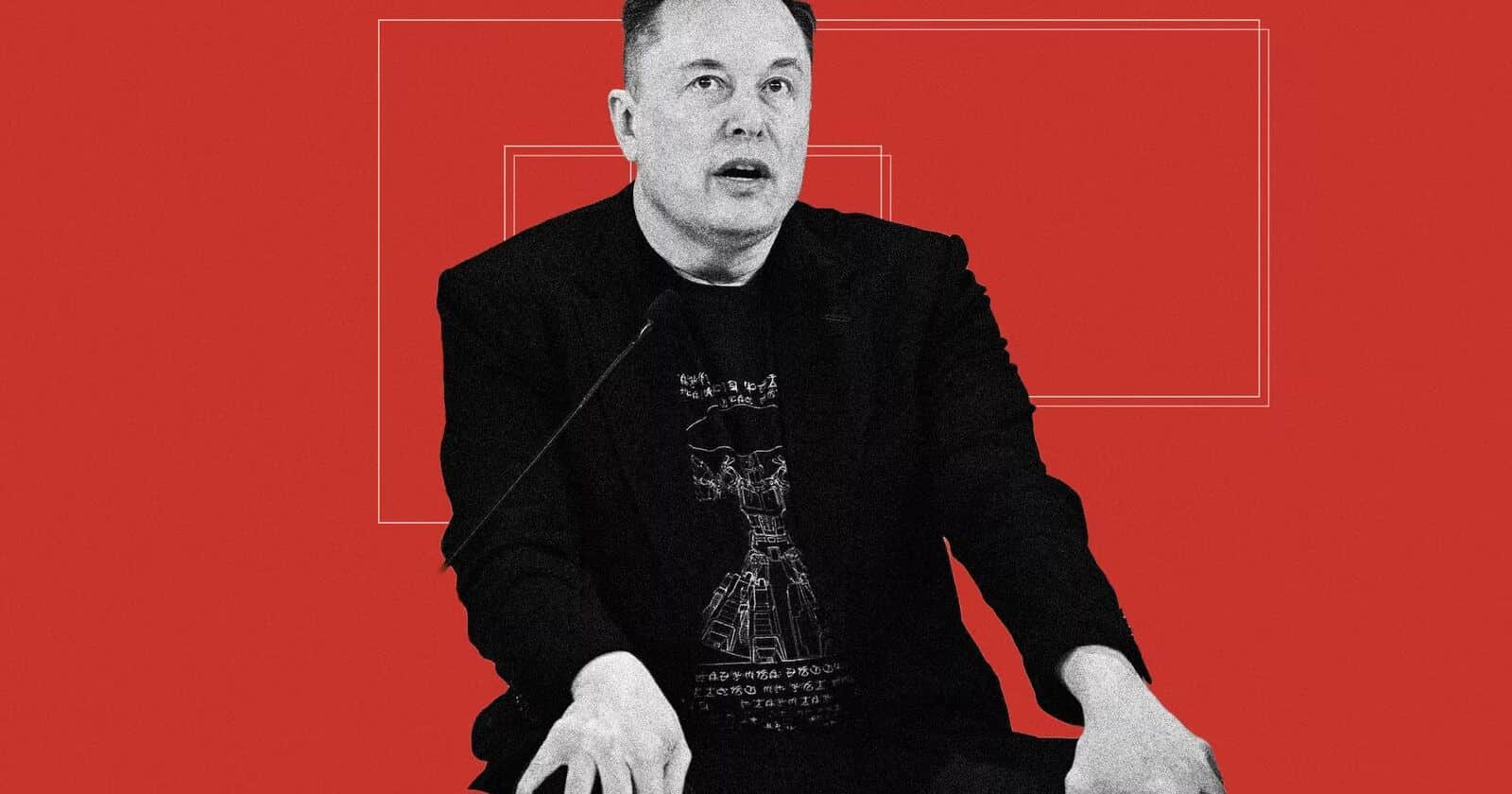
Image: ITzine
Elon Musk’s xAI has sued Grok user Terry Wayne Harwood, accusing him of creating child sexual exploitation material and non-consensual images. Reuters reports that the complaint was filed in federal court in Texas against Harwood, who is from South Carolina.
xAI says Harwood repeatedly violated Grok’s service rules and used the chatbot for what the company calls “disgusting abuse” of generative AI. In the complaint, however, xAI describes Grok as a “neutral tool subject to user control,” placing responsibility for the output on the person using it.
The company also says it reported 73,604 cases of suspected content to the U.S. National Center for Missing & Exploited Children this year. According to xAI, those reports led to the arrests of at least 244 people.

Recommended reading
Apple Delays Baltra AI Server Chip
How Grok’s “less restricted” image changed
The lawsuit follows a longer dispute over Grok’s permissive positioning. When the chatbot launched, Musk promoted its provocative character and features that other AI companies would likely have avoided. In 2025, users on X and Reddit widely discussed using a so-called “spicy mode” to undress people, while Musk posted videos and anime-style images that appeared to suggest sexualized use cases.
xAI later tightened Grok’s rules. The service now explicitly prohibits:
- Undressing real people;
- Editing images of real people into an intimate or sexual context; and
- Depicting someone’s likeness in pornographic form.
Those rules are central to xAI’s case. The company is seeking to show that Grok has internal restrictions and that Harwood, rather than its developers, violated them.
Other major AI companies, including OpenAI and Google, added barriers, filters, and additional blocks after early waves of generated images created problems involving impersonation, sexualized content, and minors. For platforms with large audiences, a single high-profile incident can quickly become a legal-cost issue as well as a reputational one.
Why the lawsuit matters for generative AI
Grok faces an especially difficult backdrop because its “freedom” and weak-moderation reputation have already drawn scrutiny. In January, British officials publicly threatened X with fines and even a ban over the service’s ability to create non-consensual images. In the summer, users complained that new restrictions prevented them from obtaining the sexualized results they had been promised.
On Reddit, the dispute became its own cycle of frustration: some users demanded entirely unrestricted deepfakes, while others pointed out that moderation now blocked prompts that had previously worked.
The case against Harwood gives xAI a way to establish a straightforward legal position: the company provides a general-purpose tool, while unlawful use is the user’s responsibility. That argument may help xAI avoid liability for every deepfake generated through the service, but it also highlights the limits of its safeguards.
Reuters reports that Harwood was arrested in February. xAI must now defend a service that has publicly embraced a less restricted identity while explaining why Grok keeps appearing in cases involving sexual fabrications, child-related content, and attempts to bypass safeguards.

AI Editor
Ava covers the rapidly evolving world of artificial intelligence, from foundational models and research labs to the real-world economics of intelligence. With a background in computational linguistics, she cuts through the hype to find out what actually works. She firmly believes that benchmarks are just marketing until reproduced in the wild.
via ITzine