• 3 min read
XPeng Targets Russia With Yandex Services and 12-Minute Charging
XPeng plans to bring the G6 and G9 to Russia with Yandex services, official support, and 800-volt charging from 10% to 80% in about 12 minutes.
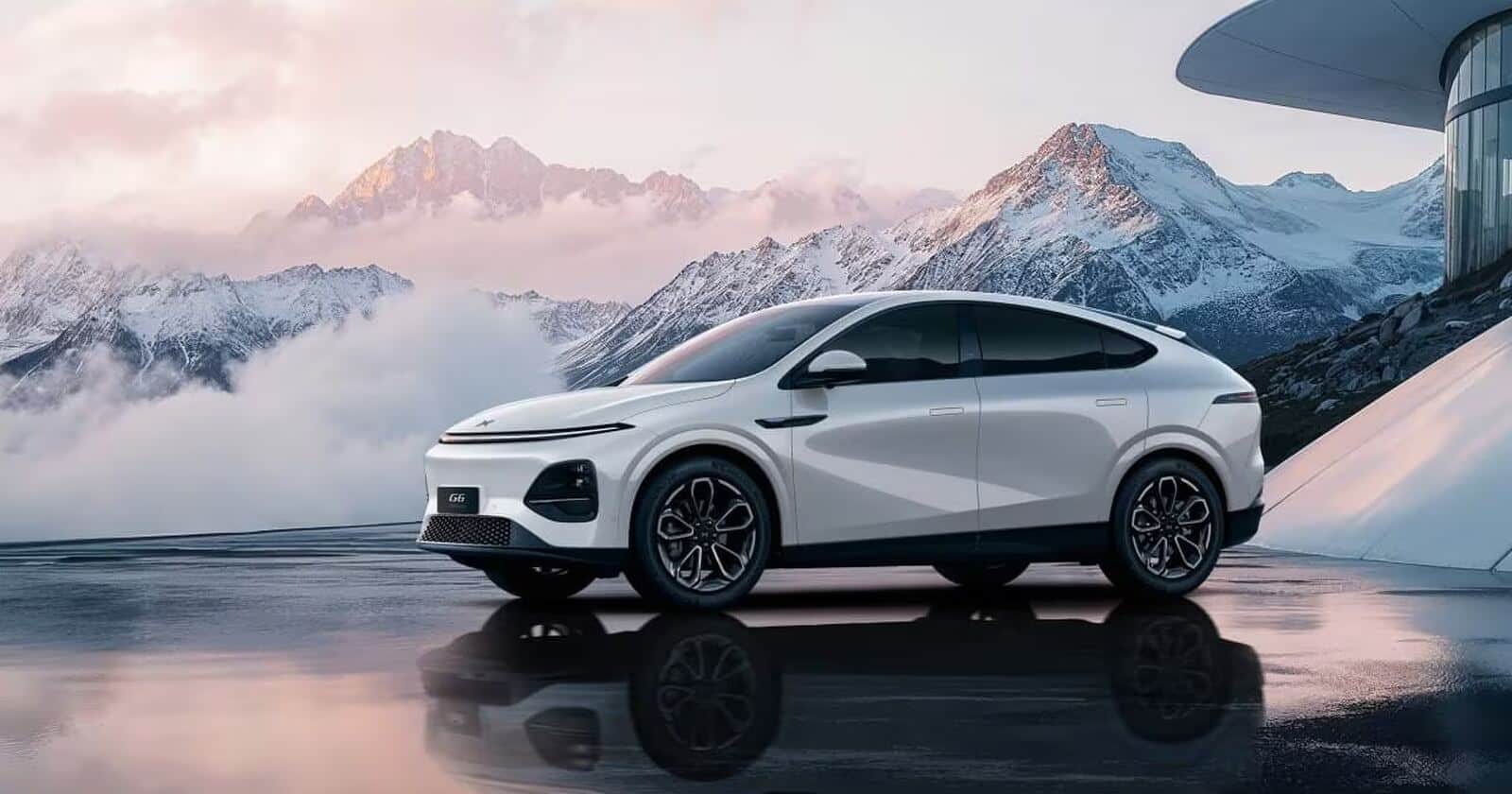
Image: ITzine
XPeng is preparing to bring two electric vehicles to Russia with Yandex services built into their infotainment systems and an 800-volt charging architecture. The planned lineup includes the G6 coupe-style crossover and the flagship G9.
The Russian versions will offer direct access to Yandex Maps, Navigator, Video, and Music from the vehicle’s display. Drivers will not need to rely on a smartphone for navigation, playlists, or video content—a notable distinction in a premium EV market where imported models often arrive without local services or with incomplete adaptations.
Integration is being handled by Yandex Electro. Documents indicate that type-approval certificates have already been processed for the G6 and G9. The applicant was an entity linked to Umo, a company focused on the development of electric and hybrid vehicles. Without this approval, a vehicle cannot be sold in series production in Russia, making the paperwork a key step between an announcement and showroom deliveries.

Recommended reading
Electric mountain bikes finally won me over
Russia’s new-EV market remains relatively small but active. According to Avtostat, sales of new electric cars in 2025 reached tens of thousands of vehicles. Brands including Zeekr, Voyah, Avatr, and Xiaomi have already established a presence, competing not only through vehicle specifications but also through the digital services bundled with their cars.
Image source: Za Rulem, Maxim Kadakov
Features planned for Russian-market XPeng models
The integrated software package will include Maps, Navigator, Video, and Music. In practical terms, routes, playlists, and media will be managed through one in-car system instead of requiring repeated switching between a phone and the vehicle’s display.
The setup may be particularly useful in an EV. Navigation can identify nearby fast-charging stations, while the multimedia system works without additional connections. That is a meaningful improvement over unadapted software found in some parallel-import vehicles.
The vehicles also offer performance aimed at the premium segment:
- XPeng G6: 487 hp and 0–100 km/h in 4.1 seconds
- XPeng G9: 575 hp and 0–100 km/h in 4.2 seconds
- Both models: 800-volt platform and charging from 10% to 80% in approximately 12 minutes at a suitable station
The planned range therefore combines the G6 coupe-style crossover, the G9 flagship electric crossover, Yandex’s local services, and approximately 12-minute 10–80% charging.
XPeng’s Russian-market strategy
XPeng’s planned entry follows the broader expansion of Chinese automakers in Russia. After Western brands left, Chinese manufacturers filled much of the gap across segments ranging from mainstream crossovers to expensive electric vehicles. Competition has increasingly shifted toward interface design, localization, service, and official support.
For XPeng, the Russian project appears to go beyond simply importing cars. If the launch proceeds as currently announced, the company plans to offer warranty and service support as well as software adapted to local habits. For buyers, that may matter more than a vehicle’s claimed range or acceleration figures.
The combination of fast charging, high performance, official support, and familiar digital services could give XPeng a stronger position than an unadapted imported EV—provided the planned launch reaches showrooms in that form.

Frontier Editor
Dan is our resident futurist, covering electric mobility, space exploration, and the smart home. He's interested in atoms just as much as bits. Whether it's a new battery chemistry, a reusable rocket, or a protocol that finally makes IoT devices talk to each other, Dan breaks down the engineering that pushes humanity forward.
via ITzine