• 2 min read
China Exempts New Battery Chemistries From Tax Until 2028
China will exempt sodium-ion, solid-state, perovskite, and tandem batteries from consumer tax through 2028 while taxing mature technologies.
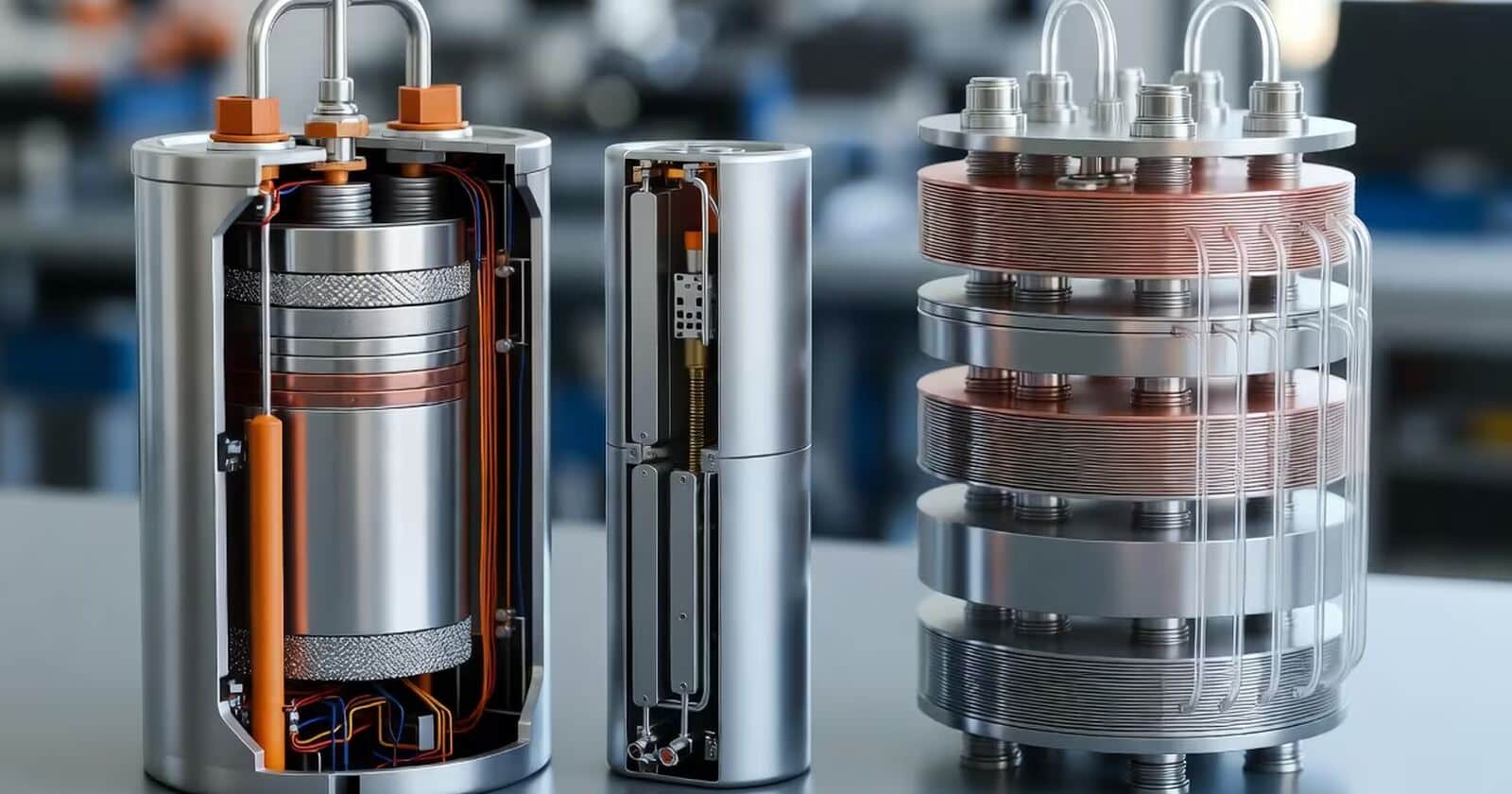
Image: ITzine
China will begin phasing in a consumer tax on some batteries and photovoltaic cells on September 1, 2026. Sodium-ion and solid-state batteries, however, will be excluded from the levy from the outset.
The exemption will remain in place through the end of 2028 and covers:
- Sodium-ion batteries
- Solid-state batteries
- Perovskite and tandem batteries
- Fuel cells
The decision was issued by China’s Ministry of Finance, General Administration of Customs, and State Taxation Administration. Products must still comply with China’s national standards for their respective categories; the exemption does not automatically apply to every product using the qualifying chemistry.

Recommended reading
EU court limits YouTube’s intermediary defense
Tax rates for established battery technologies
For more mature technologies, the tax rate will be 2% from September 2026, rising to 4% from September 2027. The affected products include mercury-free primary batteries, nickel-metal hydride batteries, lithium primary batteries, lithium-ion batteries, and vanadium redox-flow systems.
Photovoltaic cells will follow a separate schedule: 2% from April 1, 2027, increasing to 4% from April 1, 2028.
The policy sends a significant signal to China’s battery and electric-vehicle industries. China remains the world’s largest base for battery production and electric-vehicle assembly, while CATL and BYD play major roles in advancing new battery chemistries. Those technologies remain more expensive than mainstream lithium-ion solutions, making large-scale deployment difficult without support.
A similar pattern applies to solar power. Chinese manufacturers are testing production lines for perovskite and tandem modules, but commercial output remains limited. Mature segments will face the tax sooner, while newer battery technologies receive an exemption window of nearly two and a half years.
Technical journalist and news writer. Graduated from MTUCI with a degree in information security. Has covered hardware, software, and consumer electronics since 2018.

Enterprise Editor
Marcus follows the money. He covers enterprise software, cloud architecture, and the tectonic shifts in Big Tech strategy. He translates dense earnings calls and complex M&A activity into actionable insights about where the industry is actually heading. If a tech giant makes a silent pivot, Marcus is usually the first to notice.
via ITzine