• 3 min read
Apple’s 2027 iPhone May Bring Its Biggest Redesign Yet
Apple’s 2027 anniversary iPhone may bring curved four-edge glass, shrinking cutouts, solid-state buttons, custom sensors, and a 6,000mAh battery.

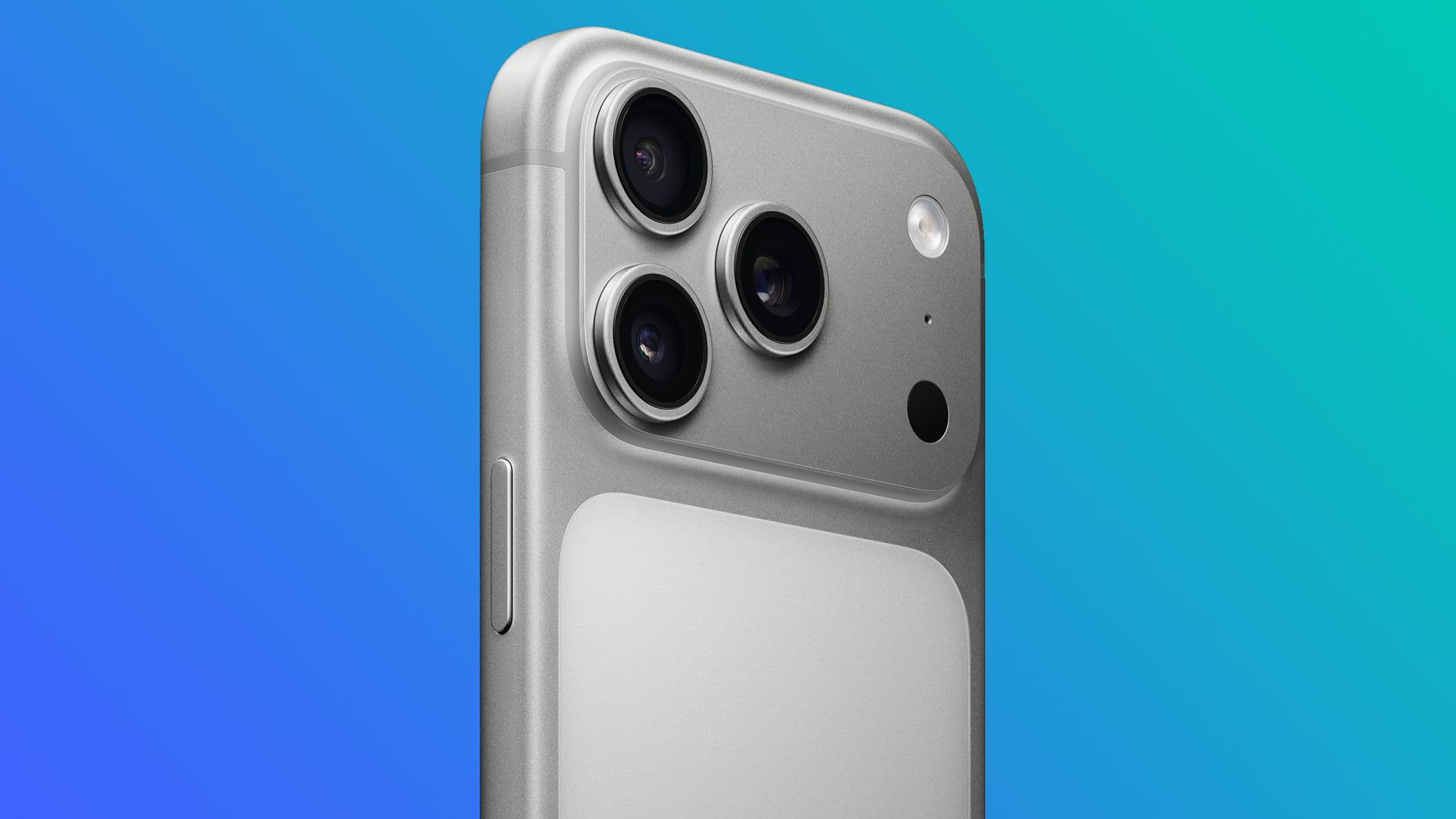
Image: MacRumors
The 2027 iPhone could be Apple’s most significant redesign since the iPhone X, but its name remains unsettled. Rumors variously call it the iPhone 20 or iPhone XX, while Apple may position it above the iPhone 18 Pro and iPhone 18 Pro Max—or use it to replace those models as usual.
Apple skipped “iPhone 9” and moved directly to the iPhone X for the iPhone’s 10th anniversary in 2017, making a skipped “iPhone 19” widely expected. The company has also reset its branding with the iPhone Air, whose successor is expected to be the iPhone Air 2.
A near bezel-less glass design
Apple is reportedly targeting a near bezel-less front with curved glass wrapping around all four edges and a return to a glass back. That would move toward the single slab of glass that former design chief Jony Ive long described as a goal.
The frame may use a thin, polished band made from a material other than the aluminum found on Apple’s straight-edged models. The display is expected to curve onto the sides rather than follow one consistent curve, although the extent of the curvature—and how much the edges refract light—remains unclear.
Recommended reading
iPhone Loyalty Hits 87% as Android Switching Slows
Waterfall-style displays have caused accidental touches on some earlier Android phones, so Apple is expected to engineer the design to work with a case. A completely cutout-free front is reportedly the goal, but current reporting suggests some form of front-facing opening will remain:
- The Dynamic Island may gradually shrink.
- Face ID components could move beneath the display.
- An under-display camera is expected to arrive last because image quality still degrades when a lens sits behind the panel.
Apple is also rumored to be revisiting solid-state haptic buttons. The effort, known as Project Bongo, reached prototype hardware years ago before being shelved. Possible benefits include a cleaner frame without moving parts, fewer mechanical button failures—many of which contribute to AppleCare repairs—and extra internal space for a larger battery or another haptic engine.
Custom camera hardware and a larger battery
Apple is reportedly developing a custom image sensor to replace the Sony sensors used across the iPhone lineup. That would follow the company’s push to bring its silicon, modem, Wi-Fi, and Bluetooth chips in-house.
The rear camera plateau is likely to remain because the telephoto lens requires folded optics. The anniversary models are expected to use a second-generation 2-nanometer A21 chip, along with efficiency improvements and a newer Apple modem.
Some rumors cite a 6,000mAh battery, although it is unclear whether that figure comes from supply-chain information. The same report mentioned reverse wireless charging, which could let the iPhone charge accessories such as AirPods or an Apple Watch.
The underlying hardware already exists: iPhones can charge a MagSafe battery pack through their wireless coil. Apple has never enabled the feature for other devices, however, while Samsung has offered reverse wireless charging on its phones for several years. Its inclusion may depend on the larger battery and rumored efficiency gains, since the feature draws substantial power from the handset.
The iPhone 18 Pro models expected this year are rumored to receive a more modest update. The larger redesign is expected to arrive in fall 2027, after the iPhone 18, iPhone 18e, and iPhone Air 2 launch in the spring.

Gadgets Editor
Eli is obsessed with the tangible future. He reviews phones, wearables, and everything with a battery. Known for his rigorous testing protocols and unabashed teardowns, Eli has broken more review units than he cares to admit, all in the name of discovering the truth about durability and repairability.
via MacRumors