• 2 min read
Il-96 Test Flight Points to New Onboard Equipment
A modified Il-96 has reportedly resumed test flights in Khabarovsk, but fuel costs and a lack of airline orders still limit its commercial future.
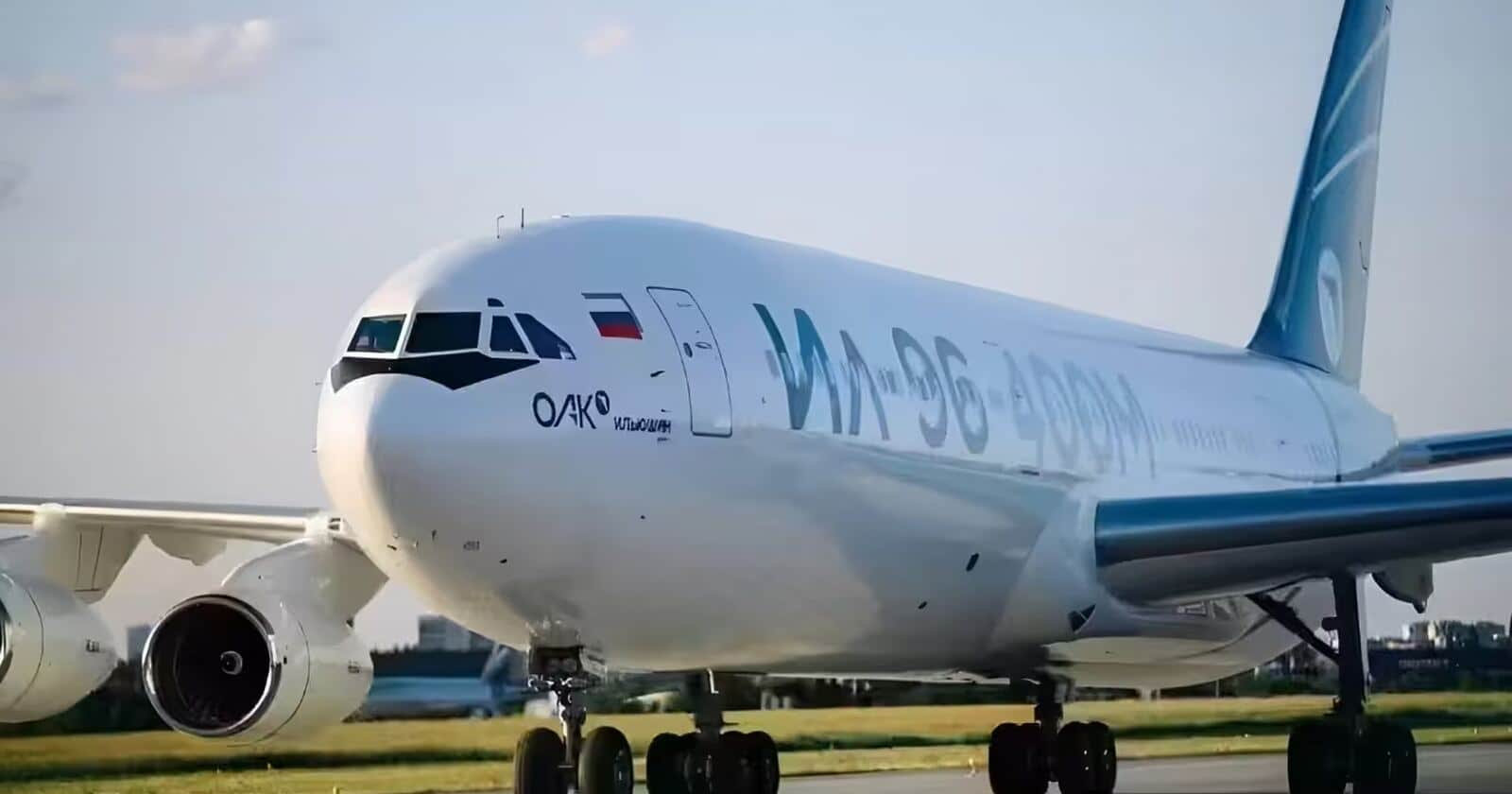
Image: ITzine
!Il-96 test flight resumes after new equipment installation Image source: Rostec
The Il-96 test aircraft recently spotted in Khabarovsk may have returned to the air after modifications, according to aviation expert Roman Gusarov. He said the flight could have been intended to check new systems or structural changes.
Test flights are generally conducted after new equipment is installed or an aircraft undergoes a significant modification, Gusarov said. That would explain the aircraft’s appearance in a testing program—but not necessarily signal an imminent return to mass commercial service.
Recommended reading
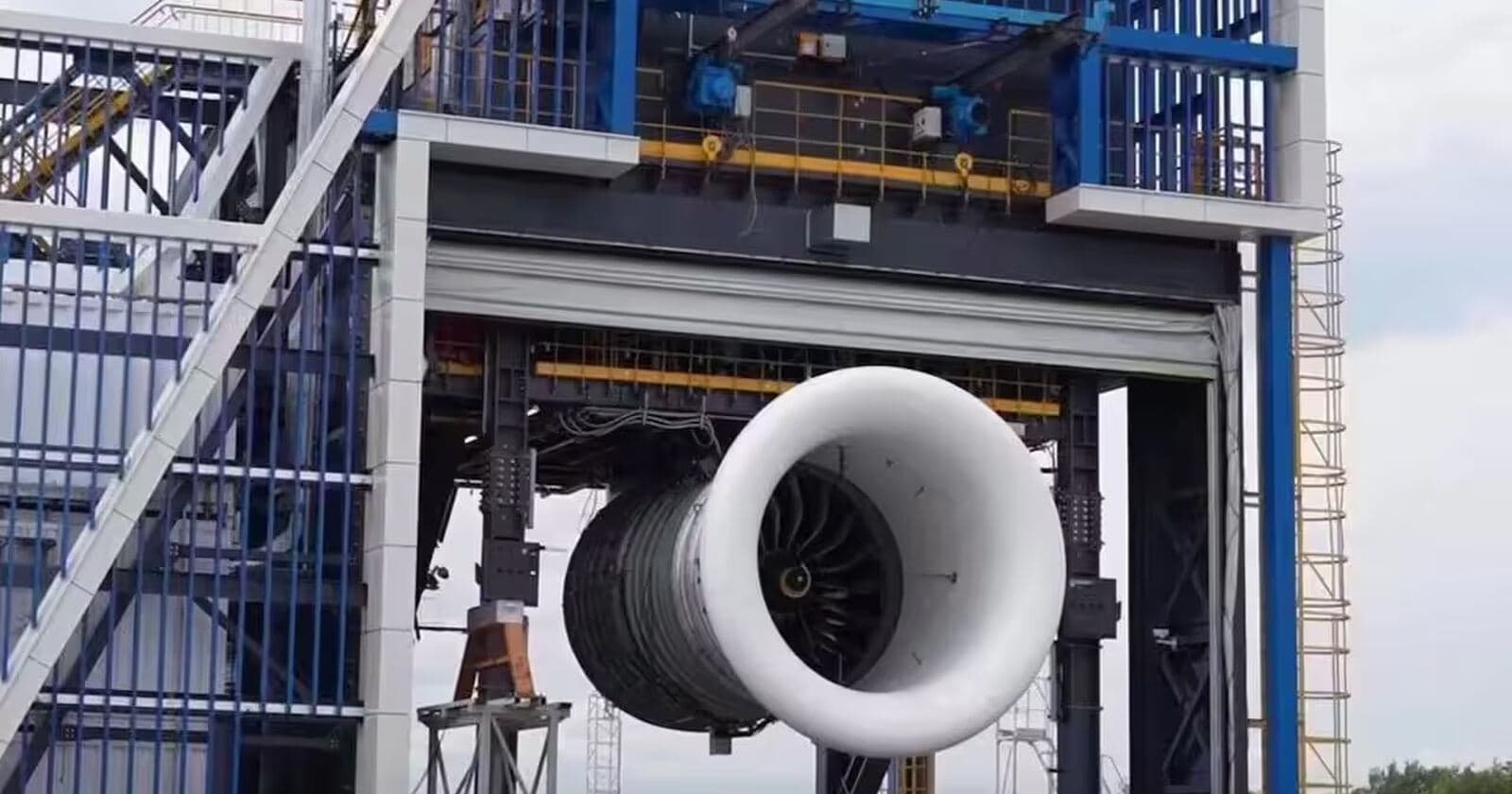
PD-35 Could Force a Major Il-96 Redesign
Russian airlines have placed no orders for the type. The Il-96 aircraft assembled in recent years will most likely be assigned to the Rossiya special flight detachment, he said.
Testing the Il-96 after modifications
The Il-96 has two main variants. The baseline Il-96-300 was developed as a long-haul wide-body airliner, while the Il-96-400M was designed with an updated layout and more modern equipment. The market for the latter never materialized.
Gusarov noted that test aircraft are standard practice at Boeing and Airbus, where new systems, equipment, and structural changes are evaluated before being validated in flight. For the Il-96, even a relatively small modification requires more than ground testing: actual flight data shows how the aircraft behaves after an upgrade and whether real-world performance matches calculations.
If a test program is underway in Khabarovsk, it may involve a specific set of updates rather than the launch of a new production series.
Why the Il-96 lacks mass-market demand
The core problem is economic rather than a fundamental defect in the aircraft. Its four engines provide a substantial reliability margin, but the Il-96 consumes significantly more fuel than modern twin-engine long-haul aircraft, which dominate today’s market.
Airlines are instead looking to wide-body models such as the Boeing 787 and Airbus A350, where range and fuel efficiency are central considerations. A fourth engine and higher operating costs offer little appeal.
Gusarov said the situation could change only after a major technological shift, such as a new engine and a move to a twin-engine configuration. For now, the resumed tests suggest that the program remains active, while the aircraft’s future still depends on whether targeted upgrades lead to a deeper redesign and genuine airline demand.

Frontier Editor
Dan is our resident futurist, covering electric mobility, space exploration, and the smart home. He's interested in atoms just as much as bits. Whether it's a new battery chemistry, a reusable rocket, or a protocol that finally makes IoT devices talk to each other, Dan breaks down the engineering that pushes humanity forward.
via ITzine