• 3 min read
Waymo says cameras alone fall short for robotaxis
Waymo’s co-CEO says camera-only systems may suit driver assistance but fall short for fully autonomous robotaxis, backing lidar and radar.
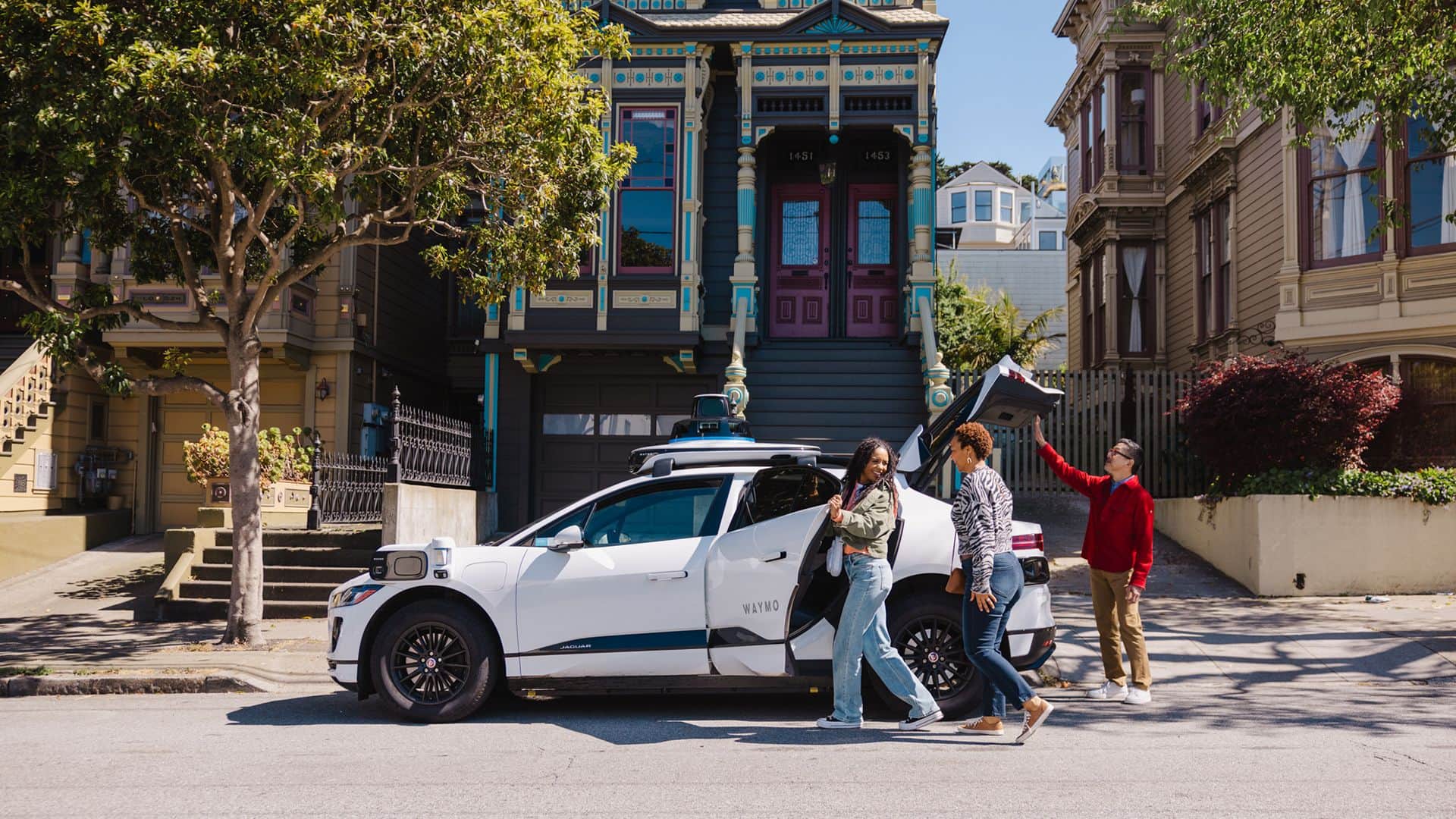
Image: TechRadar
Waymo co-CEO Dmitri Dolgov says camera-only systems may be suitable for driver assistance, but they are unlikely to deliver the reliability required for fully autonomous robotaxis.
Speaking at Y Combinator’s Startup School, Dolgov did not name Tesla, whose Full Self-Driving and robotaxi systems rely primarily on cameras. But his comments directly addressed the vision-only approach.
“Humans, of course, can drive with just eyes, so there’s that proof of existence. If the goal were to just approximately match human performance or to build an assist product, that’s a very reasonable way to go.”
Dolgov said “weak sensing” causes a safety curve to flatten too early. Cameras can be disrupted by low light, poor visibility, dust storms or objects blocking the lens — conditions that can leave a vehicle without a usable view within seconds.
Recommended reading
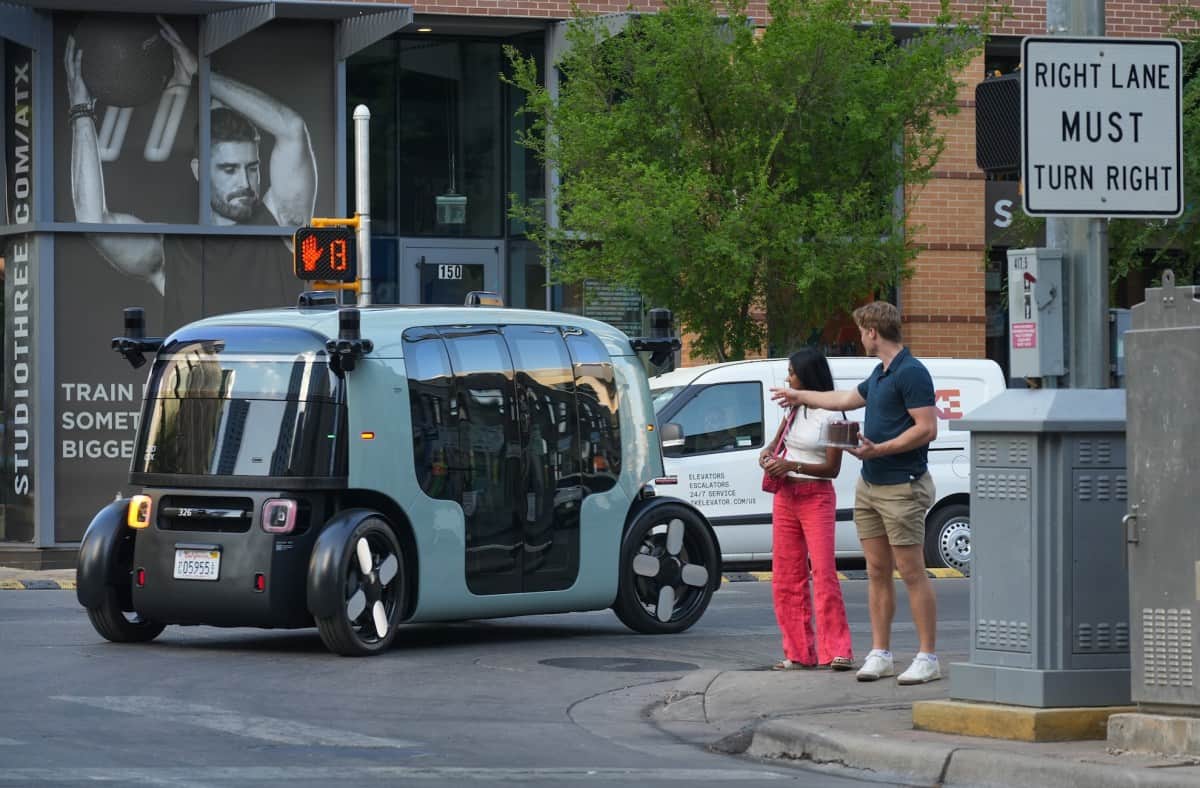
Zoox clears a major hurdle as robotaxi rules tighten
Why Waymo favors multiple sensors
Waymo combines lidar, radar and high-definition cameras rather than treating cameras as the sole source of environmental data. Dolgov described a case in which a tree branch became caught in a vehicle’s wipers and obscured its camera. The car was still able to navigate back to a depot using its other sensors.
The argument is not that cameras are useless. Dolgov said they can support highly autonomous assistance systems, but replacing a human driver requires a much higher reliability threshold. For a robotaxi, a mounting record of crashes could undermine customer trust before the service becomes established.
Motional is taking a similar route. Its purpose-built Hyundai Ioniq 5 robotaxis use lidar and radar alongside cameras and have driven more than two million autonomous miles with zero at-fault incidents, according to TechRadar.
Motional CEO Laura Major said rival startups can reach “90% performance” quickly with high-definition cameras, producing smooth rides in most situations. But she argued that this level is not sufficient once the driver is removed entirely:
“The problem is when you’re going to remove a driver and have true driverless operation, that’s not enough. You can’t perform well in 90% of the cases.”
The reported safety gap with Tesla
TechRadar’s report also cites figures from Electrek. It says Tesla’s own data shows a crash rate three times worse than human drivers, even with a safety monitor behind the wheel. By contrast, Waymo’s figures suggest it is 17 times safer than humans after approximately 220 million rider-only miles.
Tesla has accumulated about 380,000 driverless miles since launching its robotaxi service a year ago. Those figures point to a major gap between camera-first autonomy and Waymo’s more mature, sensor-fusion approach — but the report does not provide the underlying crash definitions, exposure calculations or benchmark methodology. The comparisons therefore cannot be independently evaluated from the information supplied.
The debate is especially relevant after Waymo pulled its robotaxi fleet off highways after roadwork errors: adding sensors does not eliminate operational failures, but it can give an autonomous system more than one way to detect and interpret a hazard. On the reported evidence, camera-only driving looks credible for assistance and less convincing for genuinely driverless service; the unresolved question is whether Tesla can close that safety gap without adopting the multimodal hardware Waymo and Motional use.
Frontier Editor
Dan is our resident futurist, covering electric mobility, space exploration, and the smart home. He's interested in atoms just as much as bits. Whether it's a new battery chemistry, a reusable rocket, or a protocol that finally makes IoT devices talk to each other, Dan breaks down the engineering that pushes humanity forward.
via TechRadar