• 2 min read
T-Mobile ends the original iPhone’s last US network
T-Mobile retired its 2G network on August 3, ending US cellular support for the original iPhone and other legacy connected devices.
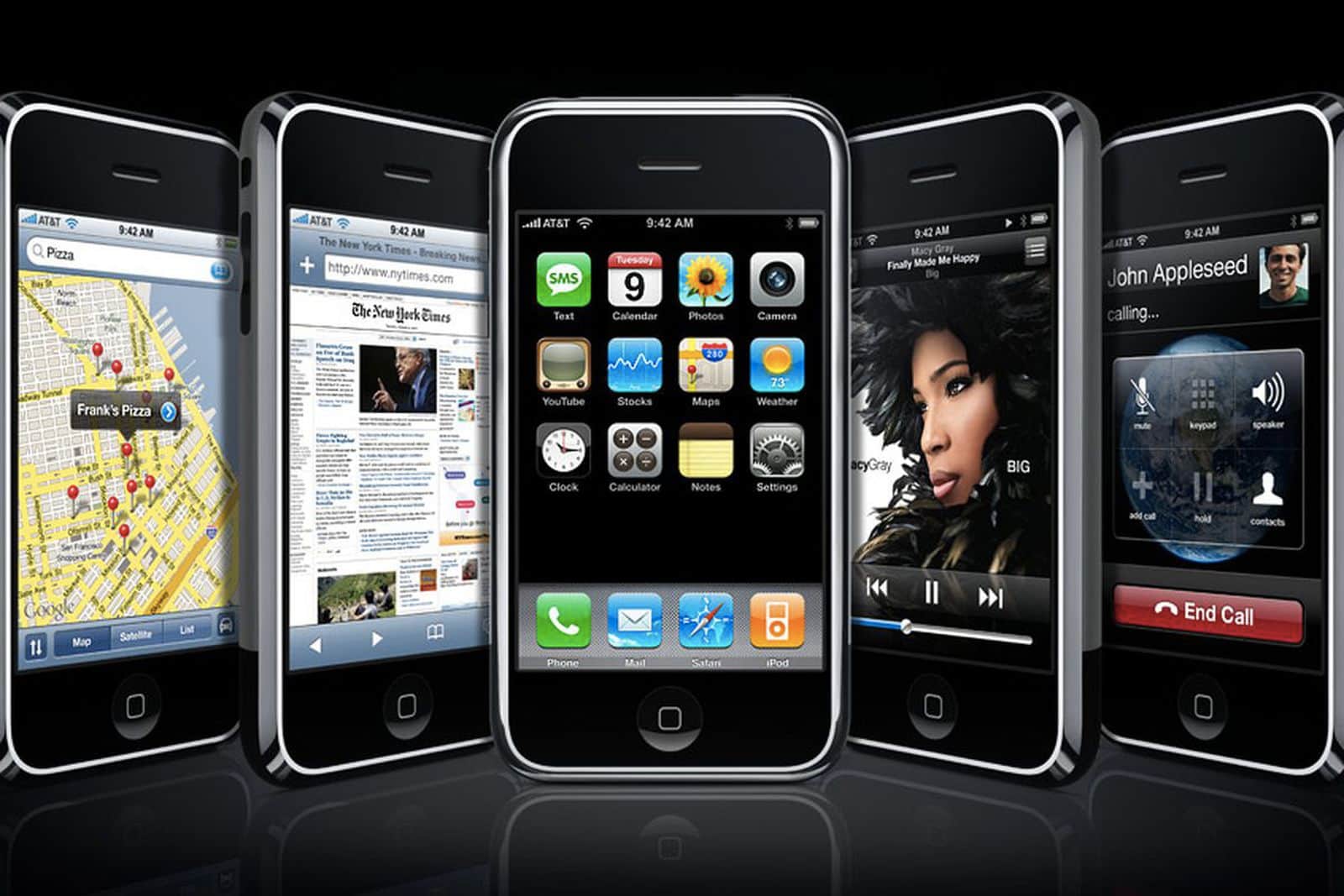
Image: MacRumors
T-Mobile shut down its 2G GSM network on August 3, ending the last remaining 2G service from a major US carrier. AT&T had already retired 2G in 2017, while Verizon ended its 2G network in 2020.
What the shutdown breaks
The change cuts off smartphones, alarm panels, payment terminals, and other IoT equipment that still depend on 2G. It also removes the final US network connection available to devices such as the original iPhone, released in 2007.
That phone technically lost cellular service in the US when AT&T ended 2G support in 2017. T-Mobile’s network remained a potential fallback, but that workaround is now gone. The company kept 2G active for legacy customers and for some international visitors whose roaming arrangements still required 2G voice calls.

Recommended reading
Galaxy Z Fold 8 review: Samsung finally nails the big screen
T-Mobile warned affected customers in advance and worked with international carriers ahead of the shutdown. The report does not provide a total number of remaining 2G-connected devices or customers, so the size of the immediate impact is not established.
The end of legacy US cellular support
The shutdown follows the end of 3G service across all three major US carriers in 2022. The carriers have also dropped support for early LTE iPhones that lack VoLTE, the technology needed to make voice calls over modern LTE networks.
For current phone owners, T-Mobile’s move changes little: modern devices use LTE or 5G rather than 2G. For businesses and owners of older connected equipment, however, this is a hard cutoff rather than a gradual performance decline. Devices without a newer radio or another connection method will no longer function on any US cellular network.
The facts add up to a decisive end for America’s first generations of mobile hardware. The original iPhone’s cellular life did not end with Apple’s software support or a battery failure; it ended because the last compatible network finally disappeared.
Gadgets Editor
Eli is obsessed with the tangible future. He reviews phones, wearables, and everything with a battery. Known for his rigorous testing protocols and unabashed teardowns, Eli has broken more review units than he cares to admit, all in the name of discovering the truth about durability and repairability.
via MacRumors