• 3 min read
Waymo pulls its robotaxi fleet off highways after roadwork errors
Waymo has temporarily banned its nearly 4,000 robotaxis from highways after its self-driving system sent vehicles into at least 13 construction zones on closed stretches of road. The move is a voluntary recall, but it la
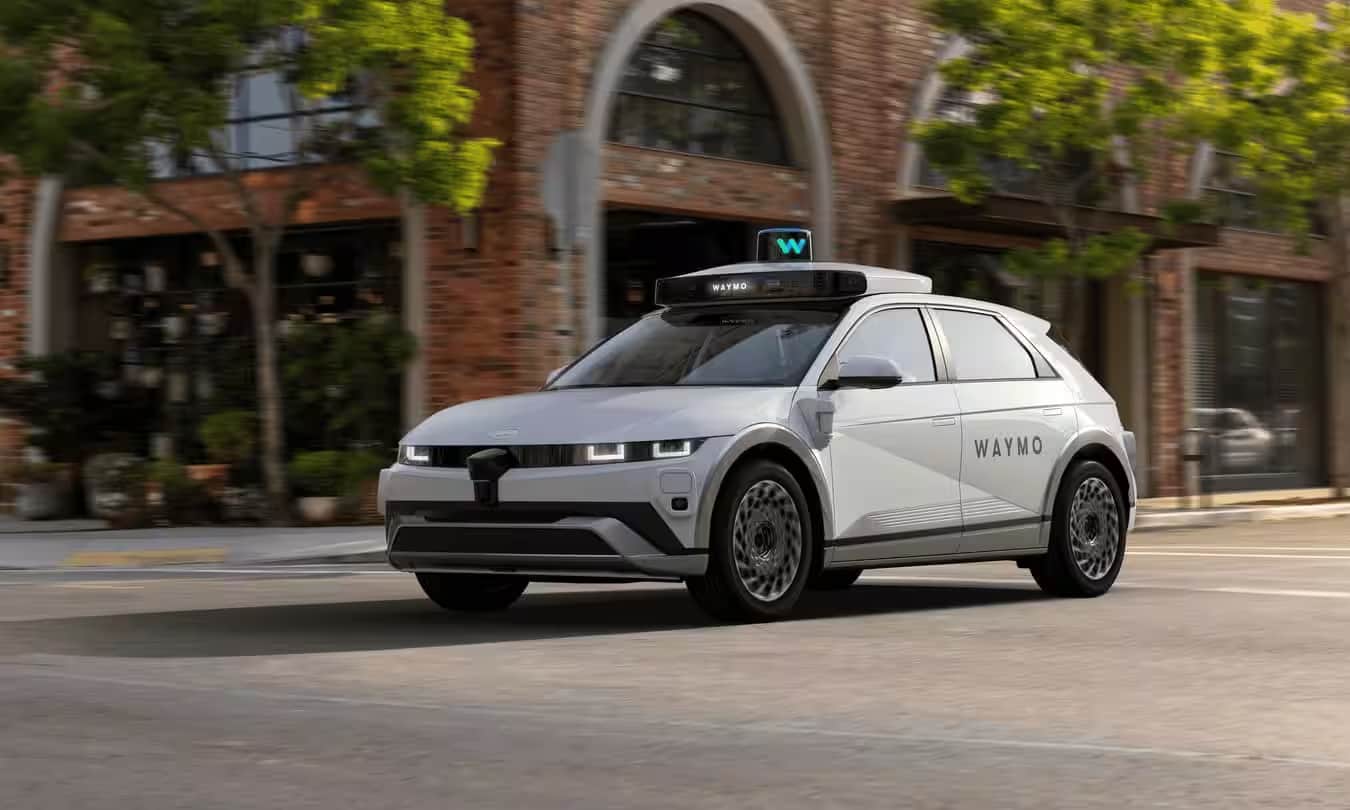
Waymo has temporarily banned its nearly 4,000 robotaxis from highways after its self-driving system sent vehicles into at least 13 construction zones on closed stretches of road. The move is a voluntary recall, but it lands like a public warning: the company’s robots may be getting very good at ordinary driving, yet they are still tripping over the kind of messy, temporary chaos that humans handle with a grimace and a glance at the cones.
The problem is not a single bad day. It is the sixth recall Waymo has issued in less than a year, and it comes as regulators are already looking at a wider set of incidents involving school buses and other unusual road situations. That is the uncomfortable part for anyone selling autonomy as a solved problem: the easy miles are not the issue; the weird ones are.
What Waymo changed after the highway incidents
Waymo’s latest fix is blunt. Its vehicles are now blocked from using highways at all, at least for the moment, while the company works through the failure mode that kept sending cars into active work zones. The incidents began in April in Phoenix, where six cars ignored signs for closed exits and entered construction areas, and continued in May in the San Francisco Bay Area, where seven similar cases were reported.
In one passenger account described by CBS News on 19 May, the robotaxi reportedly sped through cones and accelerated after police signals appeared. Waymo offered that rider three free trips worth up to $40 each, which is a polite way to say “please stop talking to reporters.”
A familiar pattern for Waymo and other robotaxi operators
Waymo says its cars have driven more than 170 million miles autonomously and have fewer serious crashes than human drivers. That statistic is real, but it also explains the broader industry tension: millions of smooth miles do not erase the reputational damage from a handful of public mistakes, especially when those mistakes happen in construction zones, near school buses, or during towing and flood-related edge cases. Cruise, Uber’s earlier self-driving effort, and others learned the same lesson the hard way – autonomy is judged less by average performance than by its worst day.
Recommended reading
Waymo says cameras alone fall short for robotaxis
- Fleet size affected: nearly 4,000 robotaxis
- Road access restricted: highways
- Reported construction-zone incidents: at least 13
- Recalls in less than a year: six
Regulators are already watching the school-bus cases
The recalls remain voluntary, meaning Waymo is moving before regulators force its hand. But that does not mean the company is out of the woods: the U.S. National Highway Traffic Safety Administration and the National Transportation Safety Board are already conducting separate reviews of Waymo behavior, including interactions with school buses. For a service that is expanding into dozens of cities, the question is no longer whether it can scale – it is whether its software can stay calm when the road stops being predictable.
That is where the next pressure test lies. If Waymo can reliably quarantine these edge cases, it will look disciplined. If not, the company may keep winning the mileage battle while losing the trust war, which is the sort of trade-off no robotaxi investor likes to discuss out loud.
Frontier Editor
Dan is our resident futurist, covering electric mobility, space exploration, and the smart home. He's interested in atoms just as much as bits. Whether it's a new battery chemistry, a reusable rocket, or a protocol that finally makes IoT devices talk to each other, Dan breaks down the engineering that pushes humanity forward.