• 2 min read
Cosmic One targets private aviation with six electric motors
Cosmic Aerospace unveiled the four-seat Cosmic One, a six-motor electric aircraft targeting private aviation and deliveries from 2029.
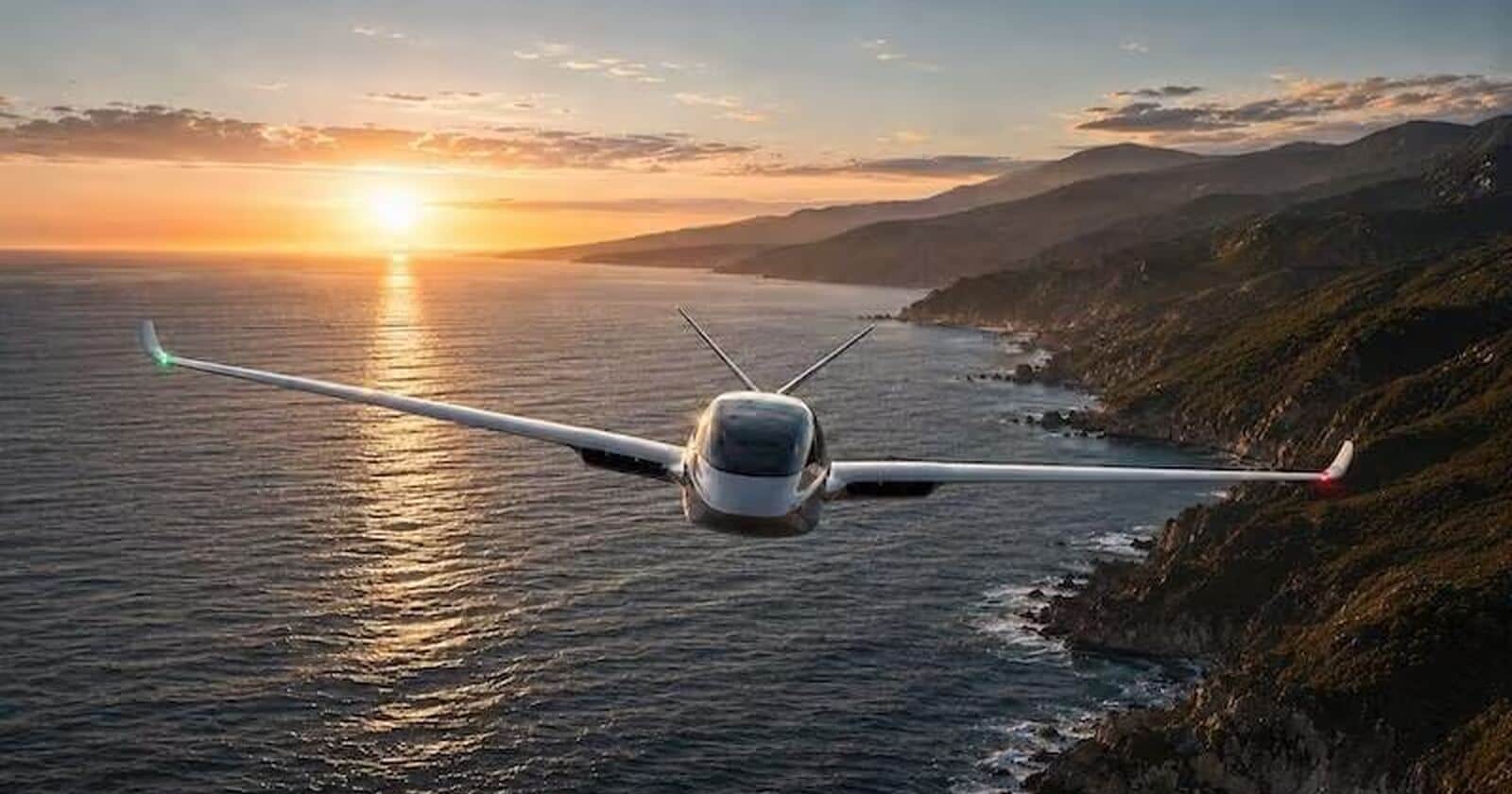
Image: ITzine
Cosmic Aerospace has unveiled the Cosmic One, a four-seat all-electric aircraft aimed at private aviation, flight schools, and flying clubs. The US startup says deliveries could begin in 2029, provided it completes certification under updated FAA rules and gets the aircraft into flight testing.
The program marks a shift for Cosmic Aerospace. Founded in 2021 around the idea of a regional electric aircraft, the company is now pursuing a smaller model that should be easier to certify and sell to early customers. Centennial Flyers has already signed a preliminary agreement for four aircraft, with an option for two more.
FAA Part 22 and the private-aviation market
Cosmic One is being developed around the updated FAA Part 22 rules, also known as MOSAIC. The changes expand the framework for light aircraft and remove some earlier limits on weight and design—constraints that have kept many electric-aircraft projects in the demonstrator or training-platform stage.
Cosmic Aerospace is positioning the aircraft against current Cirrus SR models, targeting the premium piston-aircraft segment rather than attempting an immediate move into regional transport. The company has not announced a price, but the comparison establishes where it expects Cosmic One to compete.

Recommended reading
Geely unveils hybrid sedan for any gasoline-methanol blend
The aircraft’s stated specifications include:
- Four seats for the pilot and passengers.
- Six electric motors with propellers integrated into the wings.
- A range of about 250 nautical miles, or approximately 460 kilometers.
- More than two hours of flight time, including a mandatory energy reserve.
- A parachute system intended to improve safety.
- A full-scale demonstrator targeted for 18–24 months.
Six motors integrated into the wings
The aircraft’s central technical feature is its six-motor wing configuration. Cosmic Aerospace says the layout can improve aerodynamics, provide better visibility from the cockpit, and add redundancy: if one motor fails, the remaining motors can continue providing propulsion.
The company is developing its own modular propulsion units, air intakes, and cooling system. It plans to source the electric motors, power electronics, and lithium-ion batteries from outside suppliers, reducing the amount of hardware it must develop internally while making the program dependent on its supply chain.
Cosmic Aerospace currently has a full-size cabin mock-up and is seeking additional funding to complete its test program. The company did not say how much funding it needs or provide a firm date for the demonstrator’s first flight. If that aircraft flies within the stated 18–24-month window, the startup will have to complete certification before its planned 2029 deliveries.
Frontier Editor
Dan is our resident futurist, covering electric mobility, space exploration, and the smart home. He's interested in atoms just as much as bits. Whether it's a new battery chemistry, a reusable rocket, or a protocol that finally makes IoT devices talk to each other, Dan breaks down the engineering that pushes humanity forward.
via ITzine