• 7 min read
Uber’s autonomous-vehicle empire spans 30-plus partners
Uber has backed more than 30 autonomous-vehicle companies, from Aurora and Nuro to Baidu, Lucid, Motional and delivery-robot startups.
Image: TechCrunch
Uber has partnered with, invested in, or otherwise backed more than 30 autonomous-vehicle companies over the past two years, reversing its 2020 decision to abandon self-driving development. The strategy now spans robotaxis, autonomous trucks, delivery robots, fleet operations and the software and computing platforms behind them.
Uber once pursued the technology internally. In 2014, then-CEO Travis Kalanick created Uber Advanced Technologies Group (ATG) and recruited dozens of researchers from Carnegie Mellon University’s robotics program. Uber acquired self-driving truck startup Otto in 2016, founded by Anthony Levandowski, Lior Ron, Don Burnette and Claire Delaunay, and tested autonomous vehicles on public roads in California, Pittsburgh and Arizona.
That effort collapsed after Waymo sued Uber over trade secrets, Kalanick resigned in 2017, and an Uber self-driving Volvo XC90 struck and killed a pedestrian in Tempe, Arizona, in 2018. The vehicle was in autonomous mode, while the human safety operator behind the wheel was not paying attention.
In 2020, under CEO Dara Khosrowshahi, Uber sold ATG to Aurora, transferred Jump to Lime and sold Elevate to Joby Aviation. Uber retained equity stakes in all three businesses. Two years later, it began rebuilding its autonomous-vehicle strategy through partnerships, with deal activity accelerating in 2024.
Uber’s autonomous-driving and robotaxi partners
Aurora
Uber has been connected to Aurora since the 2020 ATG sale. As of April 2026, Uber, through holding company Neben Holdings, owned 325.97 million Aurora Class A shares—a 19.7% Class A equity stake and 6.9% voting power, according to SEC filings.
Recommended reading
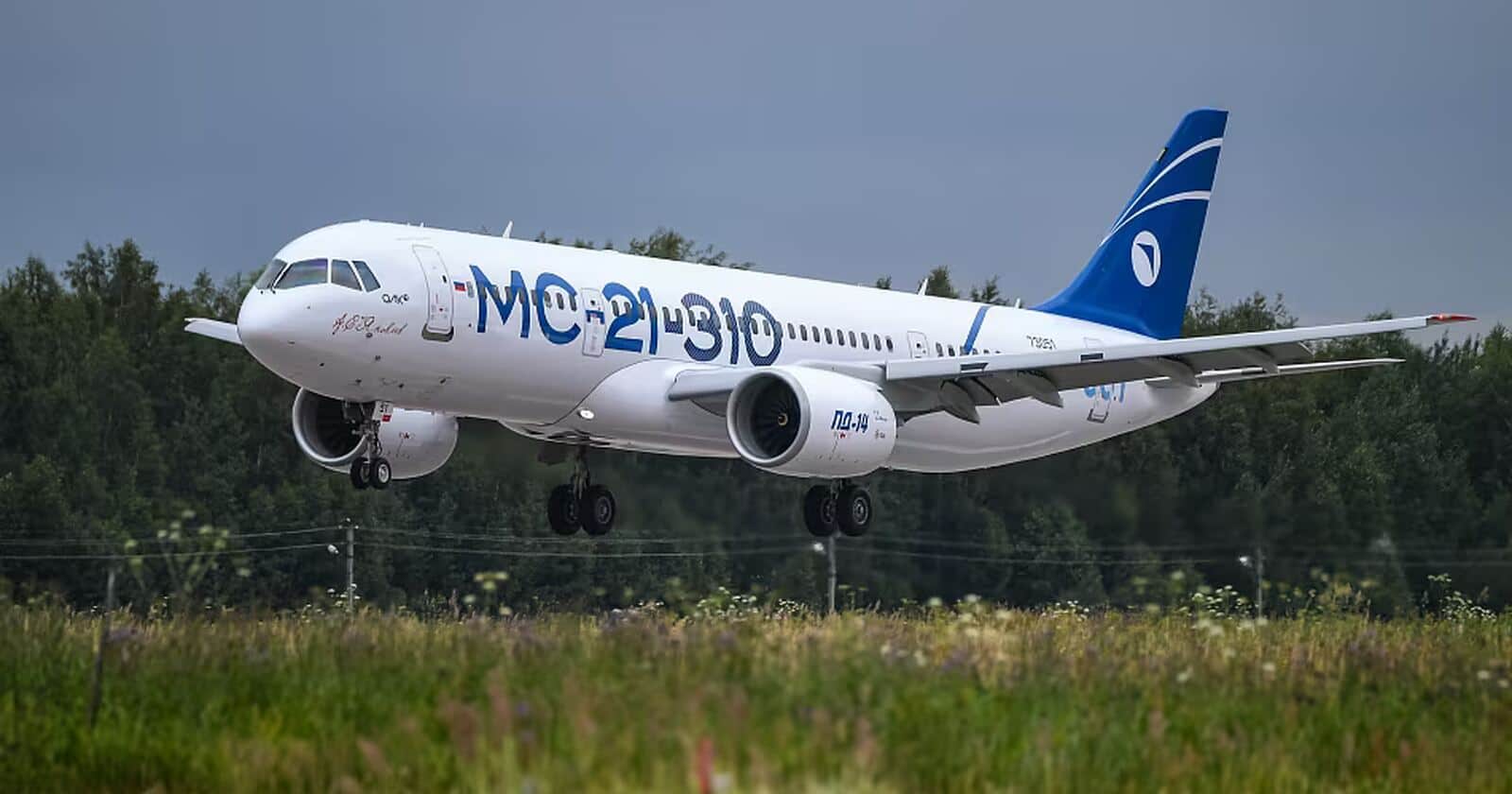
Production MC-21 clears high-speed tests before first flight
Uber Freight announced a multi-year collaboration with Aurora in June 2024, expanding an earlier pilot. In May 2025, the companies said Aurora’s self-driving trucks were completing round trips between Dallas and Houston through the Uber Freight platform.
Image credit: Aurora Innovation
Avride, Baidu and Waymo-related operations
Avride, a Yandex spinout now owned by Nebius Group, signed a multi-year agreement with Uber in October 2024 covering sidewalk delivery robots and autonomous vehicles for Uber Eats and the ride-hailing app. By February 2025, Avride robots were delivering Uber Eats orders in Austin and Dallas. Avride later disclosed $375 million in strategic investments and commercial commitments from Uber and Nebius, without breaking out how much was investment capital.
By the end of 2025, Avride robotaxis based on Hyundai IONIQ 5 vehicles were available through Uber in Dallas. The National Highway Traffic Safety Administration opened an investigation in May 2026 after identifying more than a dozen crashes and one minor injury. As of June 2026, the vehicles still had human safety operators onboard.
Image credit: Avride
In July 2025, Uber announced a multi-year strategic partnership with Chinese technology company Baidu. Thousands of Baidu Apollo Go vehicles were expected to join Uber in markets outside the United States and mainland China, beginning in Asia and the Middle East. Baidu said Apollo Go testing in London would begin in the first half of 2026, but as of June those tests had not started.
Avomo, formerly Moove Cars, operates fleets for Uber’s autonomous services. Uber took a 30% stake in the company in 2021. Avomo manages cleaning, maintenance, inspections, charging and depot operations for the Waymo-Uber service in Austin, and handles fleet operations for Uber’s June 2026 robotaxi agreement with WeRide in Madrid. It is separate from Moove, the African company managing Waymo’s autonomous fleet in Phoenix.
Motional, May Mobility and Mercedes-Benz
Motional, a Hyundai subsidiary, has worked with Uber since 2021, when the companies planned autonomous deliveries in Santa Monica. Their relationship expanded in October 2022 through a 10-year operating agreement intended to reach major North American cities, including Las Vegas and Los Angeles.
In March 2026, Motional’s self-driving Hyundai IONIQ 5 vehicles became available through Uber in Las Vegas for rides to and from five areas of the city. Human safety monitors were still present, and a fully driverless commercial service has not yet materialized.
Image credit: Motional
May Mobility agreed in May 2025 to deploy its vehicles through Uber, starting in Arlington, Texas, by the end of that year. The companies planned to expand to other U.S. markets in 2026 and deploy thousands of vehicles over the following years. As of June, Arlington remained the only market where Uber users could hail a May Mobility vehicle.
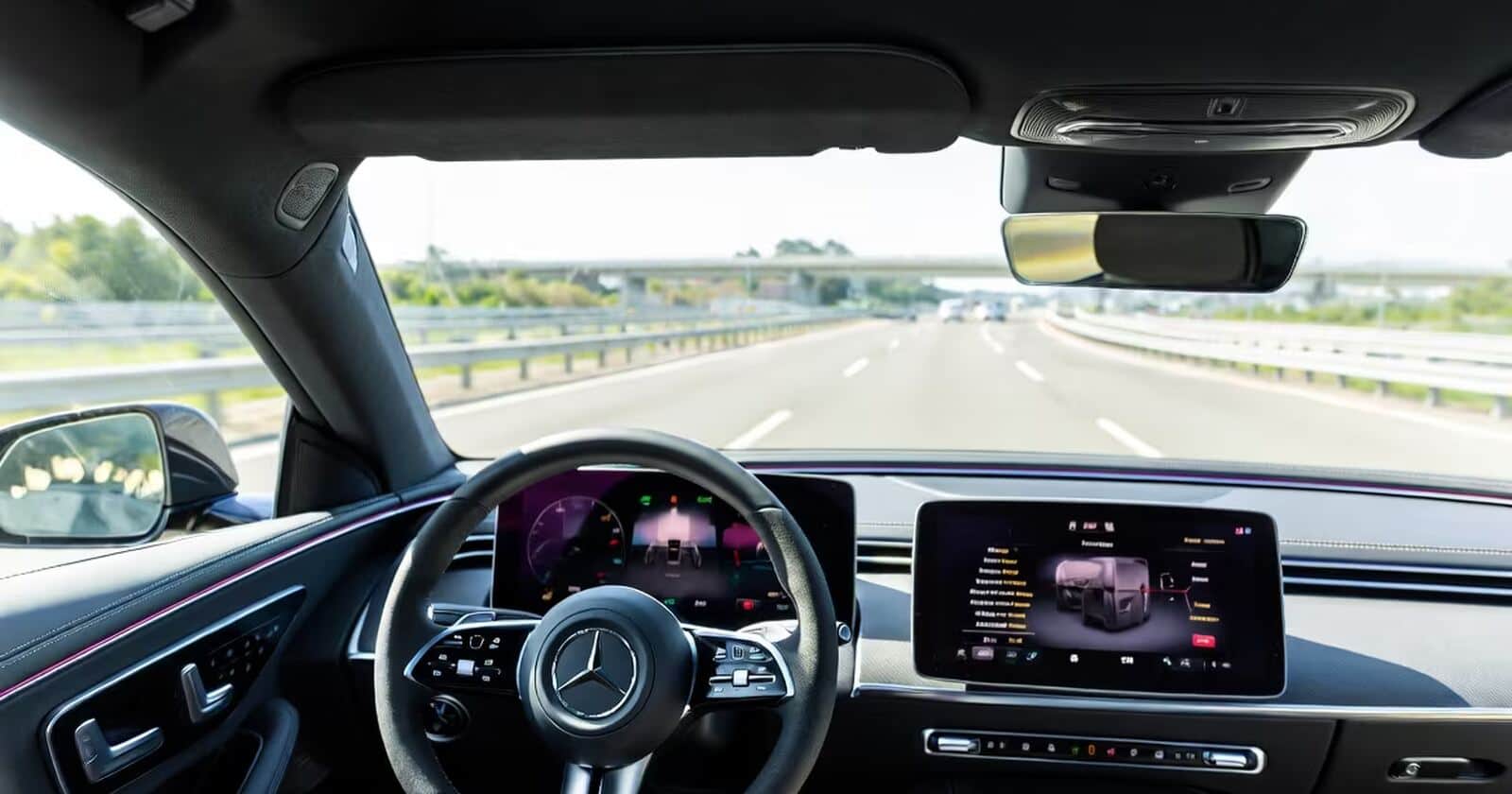
In January 2026, Mercedes-Benz said it was working with Nvidia on a robotaxi ecosystem using self-driving S-Class sedans on Uber’s platform. The companies have not announced specific cities.
Image credit: May Mobility
Lucid, Nuro and the premium robotaxi plan
Uber has committed substantial capital to a premium robotaxi service built around Lucid Gravity SUVs and Nuro’s self-driving system. In 2025, Uber announced a $300 million investment in Lucid and a commitment to buy at least 20,000 vehicles over six years.
In April 2026, Uber added another $200 million investment and increased its minimum order to 35,000 vehicles, including Lucid’s upcoming mid-sized platform. Uber now owns more than 11% of Lucid through investments made alongside the vehicle orders.
Hertz and its affiliated operating company Oro Mobility will manage the day-to-day fleet, including charging, maintenance, repairs, cleaning and depot staffing. San Francisco is planned as the first market, followed by Houston, which Uber and Nuro named as the second market in June 2026.
Nuro’s relationship with Uber began at least as early as 2022, when the companies announced a 10-year plan for autonomous deliveries in Mountain View, California, and Houston. Nuro later abandoned its custom delivery vehicle and shifted to licensing its driving technology to automakers and robotaxi operators. Sources familiar with the financial terms told TechCrunch that Uber’s total commitment to Nuro—including participation in its 2025 Series E round and future milestone-based investments—is about $500 million.
Image credit: Uber
Delivery robots, trucks and partnerships that ended
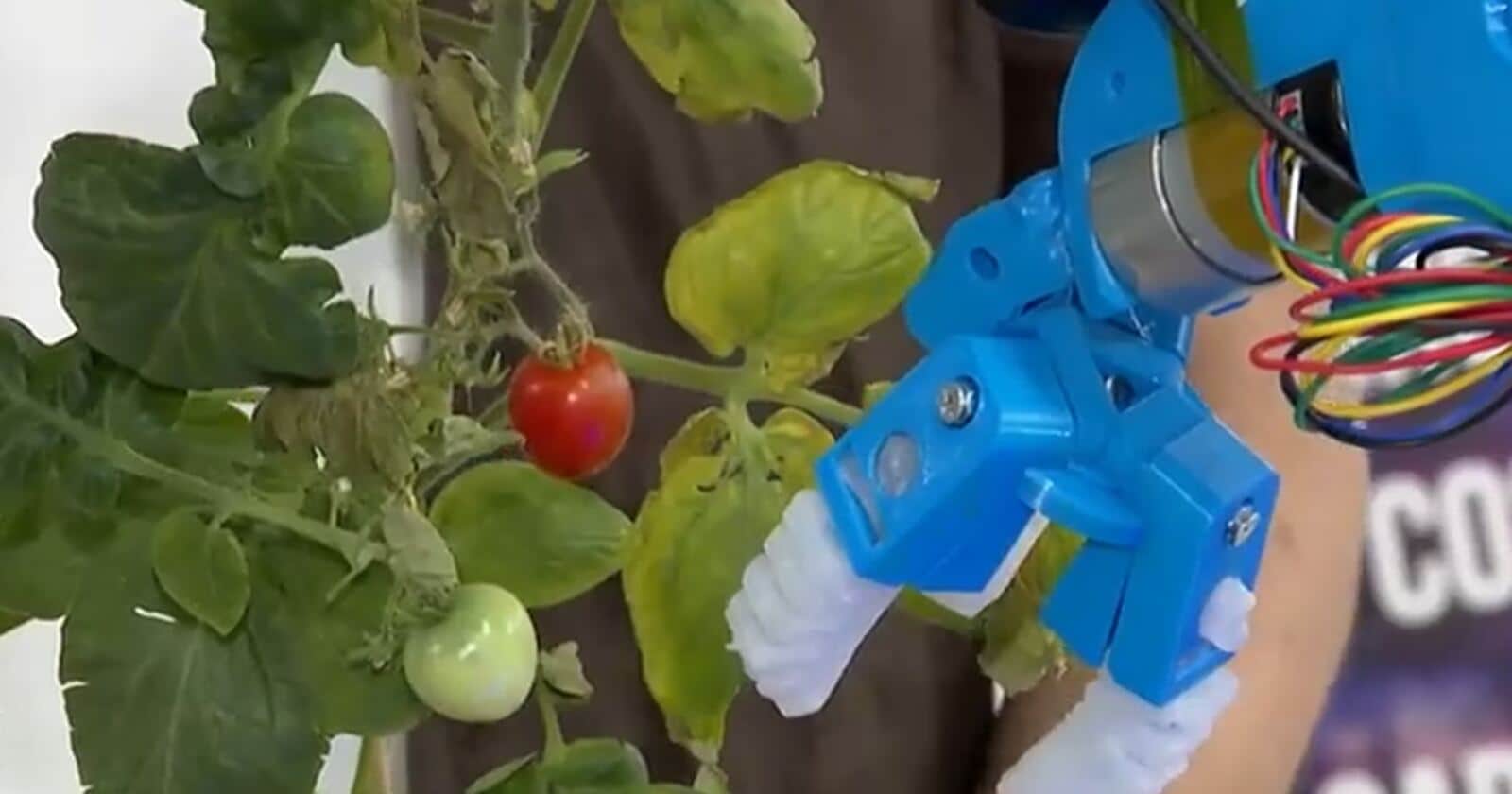
Uber’s network also includes several delivery-robot companies. Cartken began delivering food with Uber in Miami in 2022, expanded to Fairfax, Virginia, and launched deliveries in Osaka, Japan, in February 2025. By summer 2025, Cartken had shifted its focus to industrial robots while keeping its existing food and consumer last-mile business.
Coco began delivering Uber Eats orders in Los Angeles in 2024 and expanded into Miami neighborhoods in April 2025. Flytrex partnered with Uber in September 2025, including a small investment whose amount was not disclosed.
Image credit: James D. Morgan / Contributor / Getty Images
Not every announced partnership survived. Uber and GM’s Cruise announced plans in August 2024 to bring Cruise robotaxis to the Uber app in 2025. After a Cruise vehicle struck a pedestrian in October 2023, the company underwent layoffs and leadership changes. GM shut down Cruise’s robotaxi business in December 2024, citing high costs and mounting competition, and folded it into broader engineering operations.
Computing and vehicle-platform partners
Uber’s technology stack has changed alongside its commercial deals. The company first worked with Nvidia in January 2018, when Nvidia supplied AI computing for Uber’s in-house autonomous software. That arrangement ended after Uber sold ATG in 2020.
At CES 2025, Uber said it would use Nvidia’s Cosmos generative world-model simulation tool and DGX Cloud AI supercomputing platform to support autonomous-vehicle development. In October 2025, the companies announced plans to use Nvidia’s Hyperion autonomous platform for Uber’s robotaxi program.
As part of that agreement, Stellantis committed to delivering at least 5,000 Nvidia Drive-powered vehicles to Uber for robotaxi operations in the United States and internationally. Uber and Nvidia expanded the partnership again in March 2026, announcing plans for a global fleet of vehicles driven entirely by Nvidia software. The source does not provide further details about that fleet’s models, launch markets or timing.
Frontier Editor
Dan is our resident futurist, covering electric mobility, space exploration, and the smart home. He's interested in atoms just as much as bits. Whether it's a new battery chemistry, a reusable rocket, or a protocol that finally makes IoT devices talk to each other, Dan breaks down the engineering that pushes humanity forward.
via TechCrunch