• 2 min read
Mercedes-Benz brings back physical buttons
Mercedes-Benz is bringing back physical buttons after leaning heavily on touchscreens, starting with steering-wheel controls and simpler access to basic functions.
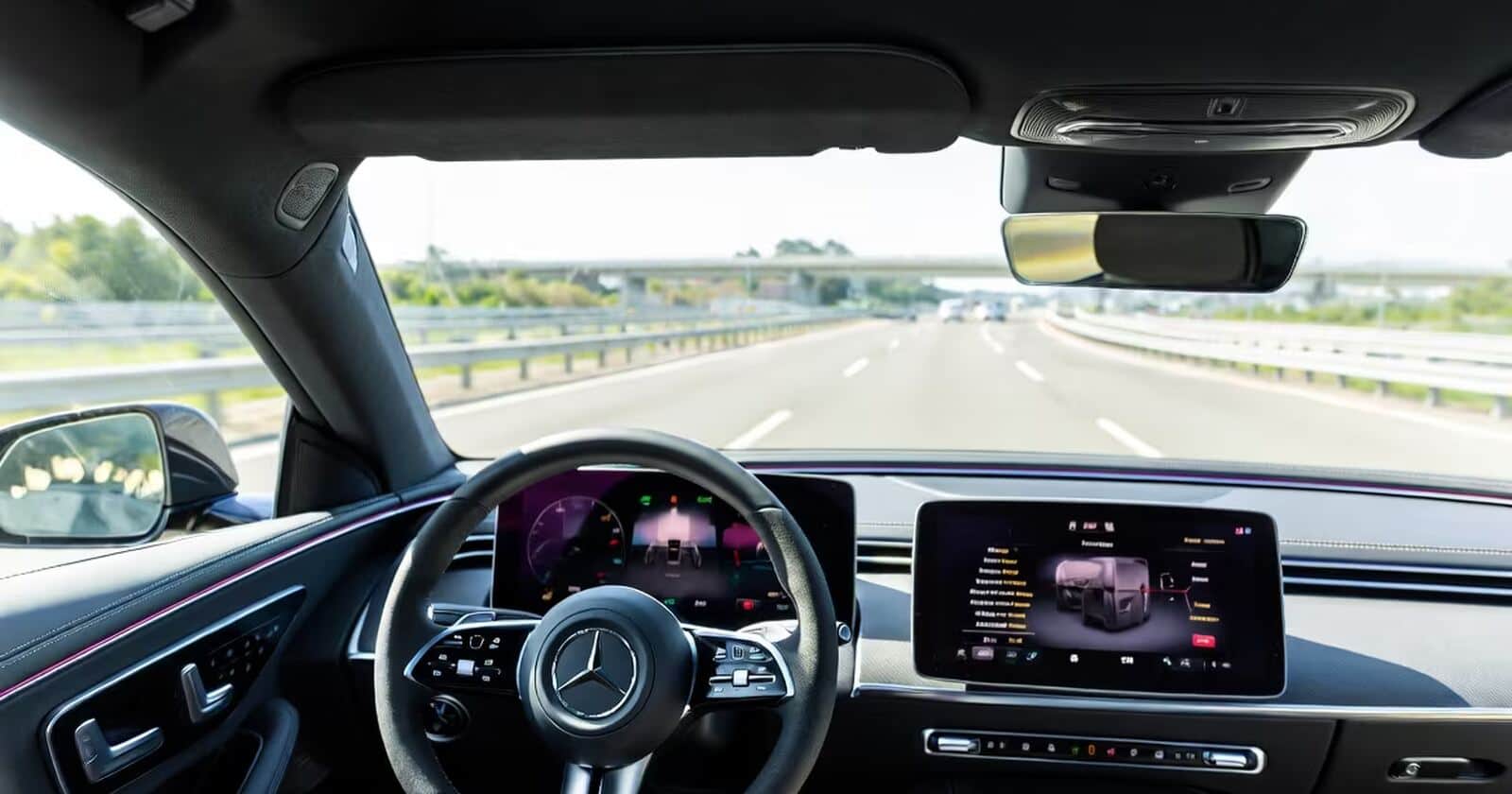
Image: ITzine
Mercedes-Benz is reversing course on touchscreen-heavy interiors, with CEO Ola Källenius saying the company has gone as far as it can in removing familiar controls. The automaker has already brought physical buttons back to the steering wheel and plans to add more conventional keys and switches to future vehicles.
The shift is notable because Mercedes-Benz was among the premium brands that pushed large displays and menu-driven controls particularly hard. Its MBUX Hyperscreen, a single panel combining several displays and measuring more than 1.4 meters wide, became a visual symbol of that strategy.
Why Mercedes-Benz is returning to physical controls
The company’s next approach will not abandon digital interfaces. Mercedes-Benz intends to keep developing voice control, while making essential functions easier to access and understand. The goal is to reduce the number of taps and menu levels required for basic tasks.
Recommended reading
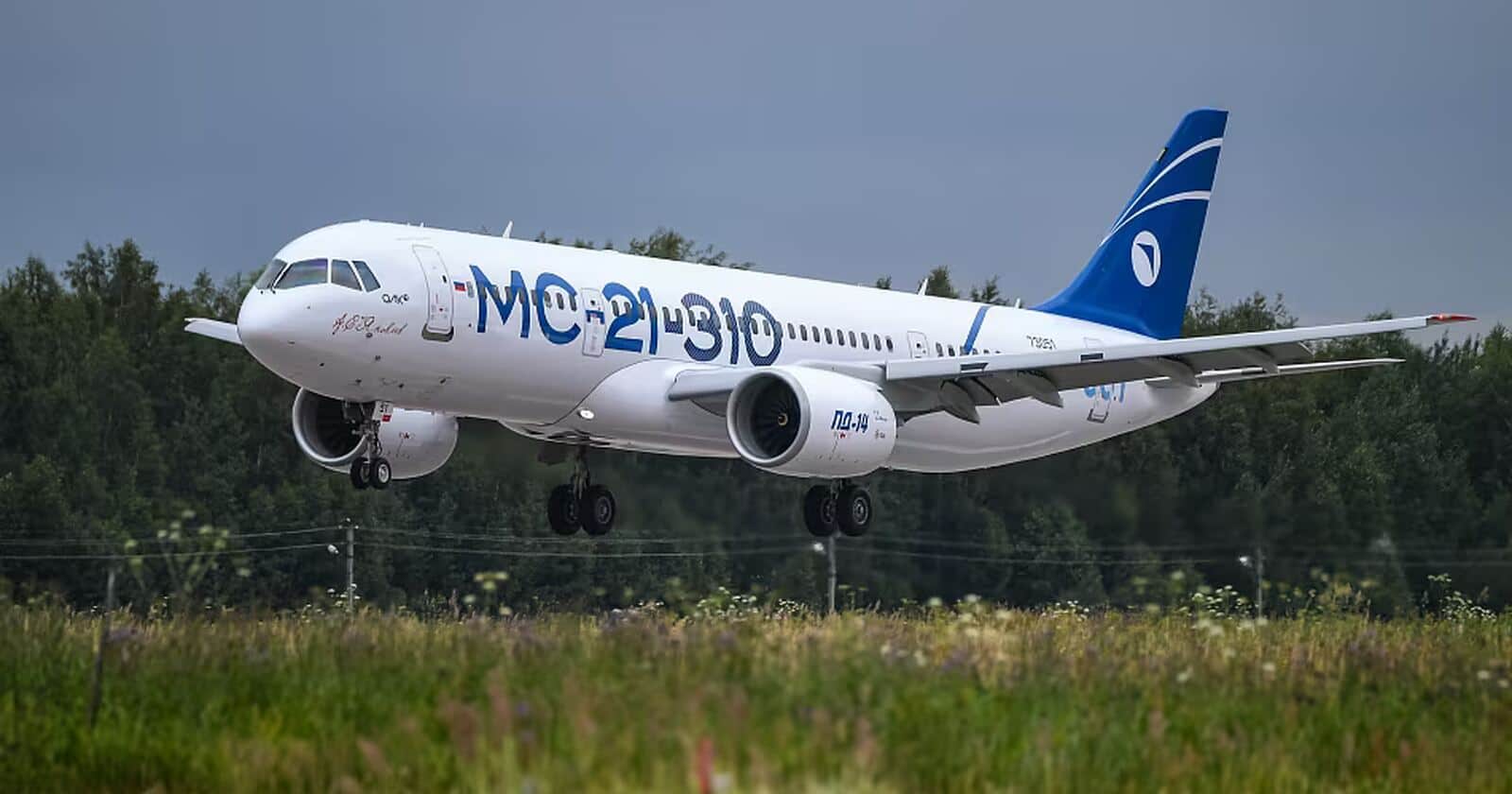
Production MC-21 clears high-speed tests before first flight
That matters most while driving. Touchscreens may look clean and futuristic in a showroom, but they can force drivers to look away from the road and perform several actions to adjust climate settings, change volume, or navigate ordinary menus. Drivers have complained about the depth of Mercedes-Benz’s menus almost since the system appeared, with some functions requiring more steps than they did in older cars with dedicated controls.
The reversal applies to a premium brand rather than entry-level vehicles. Mercedes-Benz’s decision reflects a broader reassessment of interiors that attempted to replace nearly every physical control with one large screen.
The wider move away from all-touchscreen cabins
Mercedes-Benz is not the first automaker to acknowledge that touchscreen interfaces can go too far. BMW, Volkswagen, and Hyundai are testing different combinations of displays, buttons, and switches. European safety organizations are also pushing manufacturers toward simpler controls for essential functions.
Euro NCAP has increasingly favored cars that let drivers operate basic features without unnecessary distraction. In 2025, several automakers publicly discussed bringing more familiar ergonomics back to their cabins. For manufacturers, the issue now affects not only convenience but also safety ratings and brand reputation.
The source does not specify which Mercedes-Benz production models will receive the additional controls or when the changes will arrive. It also does not provide a new interior design, pricing information, or a detailed plan for how physical controls will be integrated with the company’s voice and touchscreen systems.
If Mercedes-Benz makes the return of buttons a consistent feature of its production cars, other brands that embraced screen-first interiors may follow. The premium segment often introduces new cabin formats first—and later becomes one of the first places to reconsider them.
Frontier Editor
Dan is our resident futurist, covering electric mobility, space exploration, and the smart home. He's interested in atoms just as much as bits. Whether it's a new battery chemistry, a reusable rocket, or a protocol that finally makes IoT devices talk to each other, Dan breaks down the engineering that pushes humanity forward.
via ITzine