• 2 min read
NASA targets 2028 for autonomous lunar excavator
Interlune and Vermeer plan to send an autonomous lunar excavator to the Moon in 2028 to prepare landing sites and construction areas.
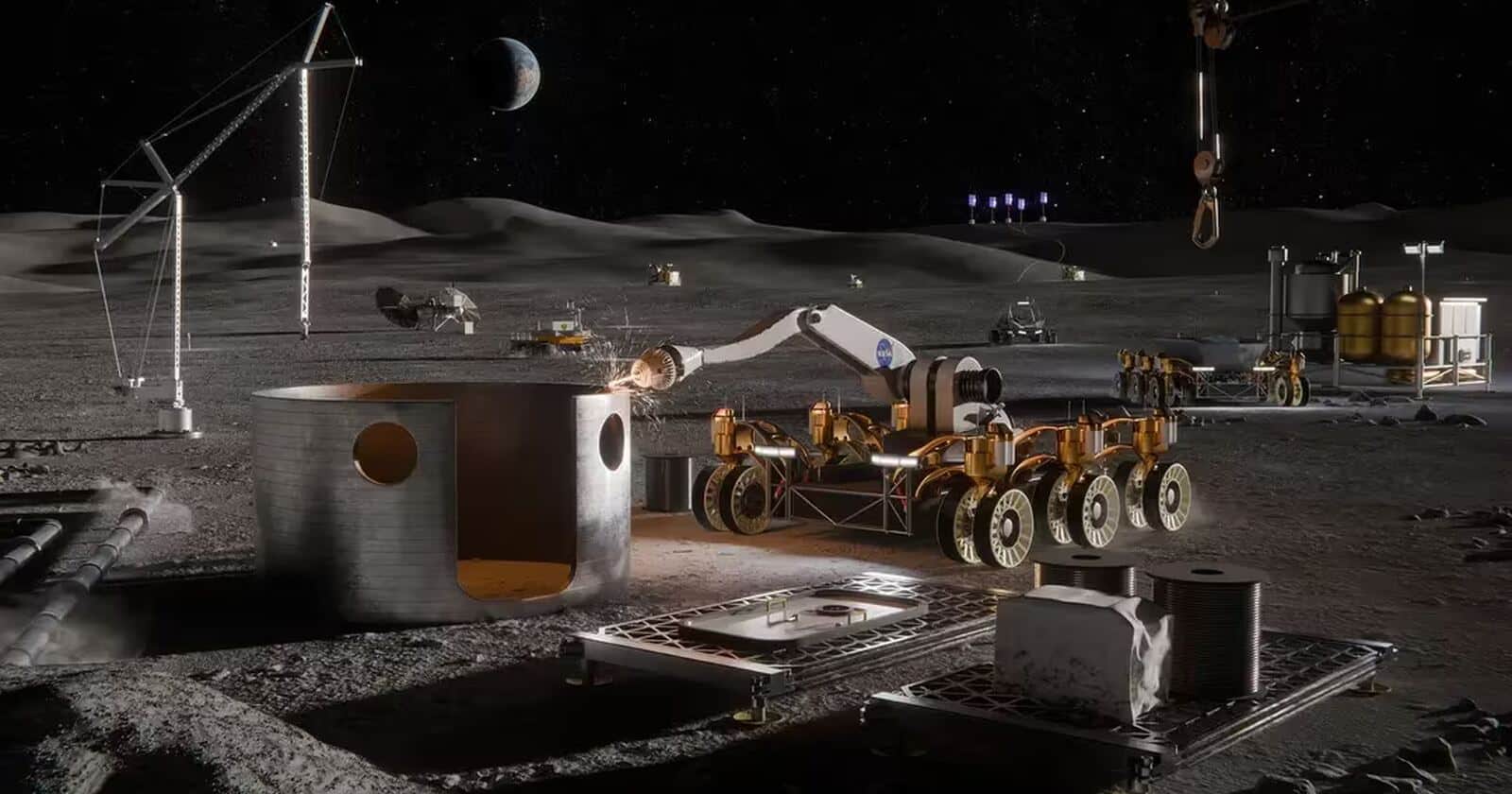
Image: ITzine
Interlune and Vermeer are developing an autonomous lunar excavator for NASA-related infrastructure efforts, with a launch planned for 2028. The machine is designed to clear landing zones and prepare terrain for future bases while operating with minimal human control.
That autonomy is essential: commands sent from Earth take time to reach the Moon, while abrasive lunar dust can quickly damage conventional mechanical systems. The project combines a specialized excavation system with a rover. Its planned jobs include leveling ground, removing loose surface material and compacting terrain for landing pads, modules and other infrastructure.
The machine will first be tested on Earth before facing the Moon’s extreme temperature swings, abrasive regolith and lack of supporting infrastructure.
Why lunar construction starts with the ground
A lunar base cannot begin with a habitat module alone. The surface is covered in regolith—a very fine, highly damaging dust that can enter joints, scratch surfaces and interfere with manipulators. NASA and its partners have spent years studying ways to turn that material from a problem into a usable construction resource, but precise excavation and compaction come first.
A prepared surface could also reduce risks during landings. Recent lunar missions have shown how difficult it can be to land on uneven, unprepared terrain, where changes in elevation, rocks and material thrown up during touchdown can create immediate hardware problems.
Recommended reading
Starlink satellites captured Starship S40's heat shield
The excavator concept is part of NASA’s broader Artemis effort to move beyond simply sending people to the Moon and toward building durable infrastructure there. NASA is also working with other companies developing robots for resource extraction and site preparation.
From prototype to lunar mission
Interlune and Vermeer demonstrated a full-scale prototype in May 2025, showing that the basic concept could work. The next challenge is turning that demonstration into equipment reliable enough for real missions, where long-term operation matters more than a polished presentation.
Launching hardware to the Moon remains expensive, so each machine needs to perform multiple tasks and operate for a long time. Automated construction equipment could reduce the amount of material sent from Earth while lowering risks for crewed and cargo missions.
The companies have not provided a launch vehicle, exact mission date or other detailed performance figures. If the excavator reaches the Moon in 2028, the mission will test not only the rover-based machine but also the wider plan to make construction equipment a standard part of lunar operations—alongside landing systems and power infrastructure.
Frontier Editor
Dan is our resident futurist, covering electric mobility, space exploration, and the smart home. He's interested in atoms just as much as bits. Whether it's a new battery chemistry, a reusable rocket, or a protocol that finally makes IoT devices talk to each other, Dan breaks down the engineering that pushes humanity forward.
via ITzine