• 2 min read
Starlink satellites captured Starship S40's heat shield
SpaceX used cameras on six Starlink V3 satellites to inspect Starship S40's heat shield from orbit.
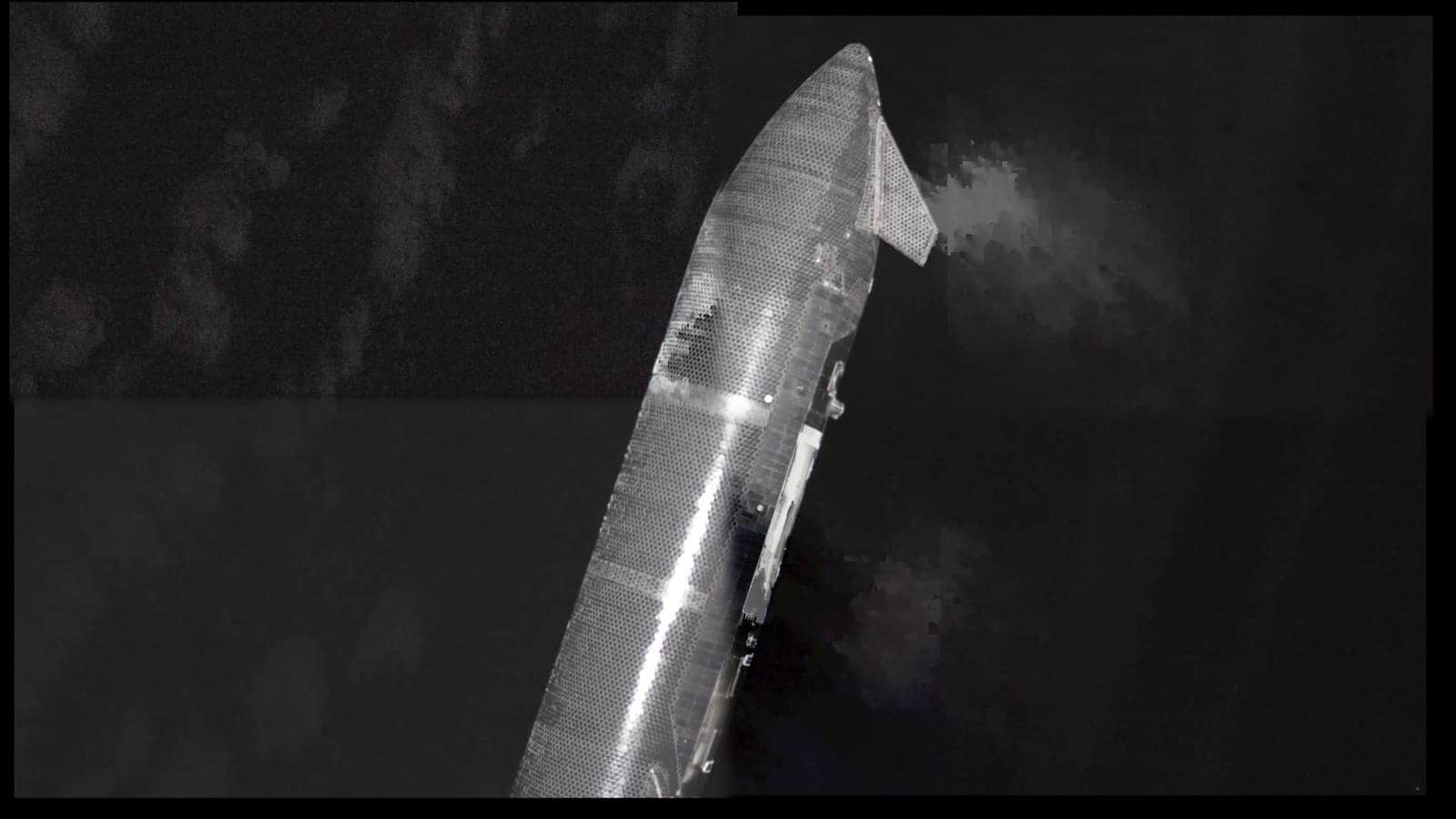
Image: iXBT
SpaceX has released orbital footage of Starship S40's heat shield, captured not by a single camera but assembled from recordings made by several cameras mounted on Starlink V3 satellites.
How Starlink V3 recorded Starship S40
SpaceX said the published video combines footage from four separate cameras on one satellite. Six deployed satellites were equipped with cameras to scan Starship’s thermal-protection system and send images to operators.
“This video is stitched together from separate recordings taken by four separate cameras on one satellite. Six deployed satellites were equipped with cameras to scan Starship’s heat shield and send images to operators, continuing the testing of methods for analyzing the heat shield’s readiness for Starship’s return to the launch site on future missions.”
The satellites' primary purpose was not to broadcast the flight in real time. Instead, they were used to capture detailed images of the spacecraft’s thermal-protection tiles and help develop remote inspection methods.
During the recording, Starship was deliberately oriented with its heat shield facing the satellites. That positioning exposed the most important sections of the vehicle’s hull for inspection.

Recommended reading
NASA opens aerodynamic complex for Mars missions
Starship S40 remains in the Indian Ocean
SpaceX has not yet published a detailed assessment of the S40 tiles because the spacecraft is still floating in the Indian Ocean. The Starship S40 test flight took place on July 25 and was described as having gone “almost perfectly.” SpaceX has already prepared a recovery mission, but the source does not provide a schedule for that operation or a detailed result from the orbital inspection.
Frontier Editor
Dan is our resident futurist, covering electric mobility, space exploration, and the smart home. He's interested in atoms just as much as bits. Whether it's a new battery chemistry, a reusable rocket, or a protocol that finally makes IoT devices talk to each other, Dan breaks down the engineering that pushes humanity forward.
via iXBT