• 2 min read
Russia drafts unified traffic rules for delivery rovers
Russia has submitted draft rules for delivery rovers, covering 25 km/h limits, dimensions, registration and accident procedures.
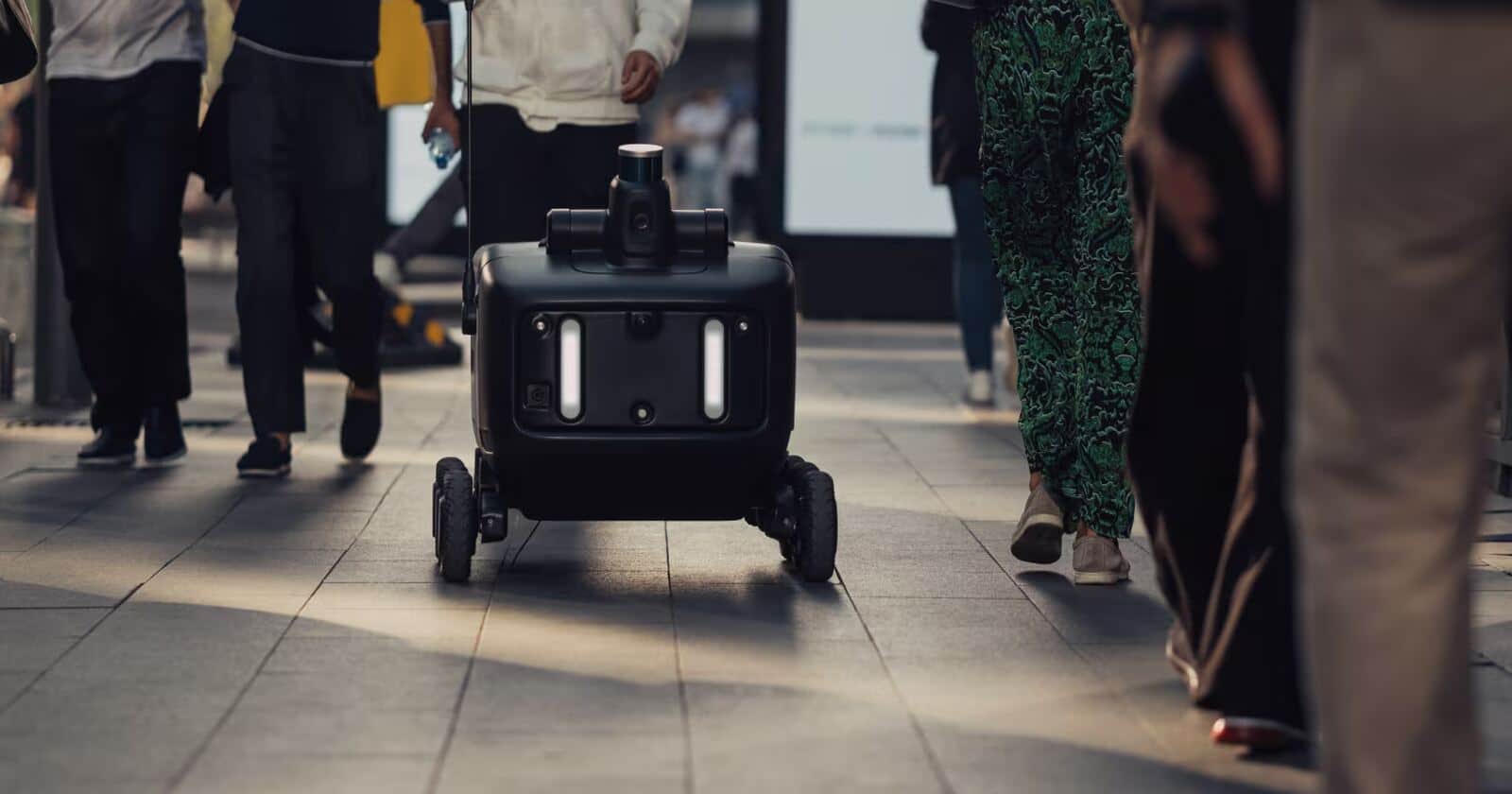
Image: ITzine
Image credit: Moscow Transport Portal
Russia is preparing unified traffic rules for delivery robots, including speed limits, road-crossing procedures and permission to operate inside buildings. The draft experimental legal regime has been submitted to the government after being developed by the Ministry of Economic Development, Ministry of Internal Affairs, Ministry of Transport and Federal Protective Service (FSO).
The proposed rules set a 25 km/h limit, with stricter limits depending on location. Rovers would be restricted to 10 km/h on sidewalks and would have separate limits on roads and pedestrian paths. While crossing at a marked pedestrian crossing, their speed would fall to 6 km/h. They would also be barred from using sidewalks narrower than 1 meter.
Recommended reading
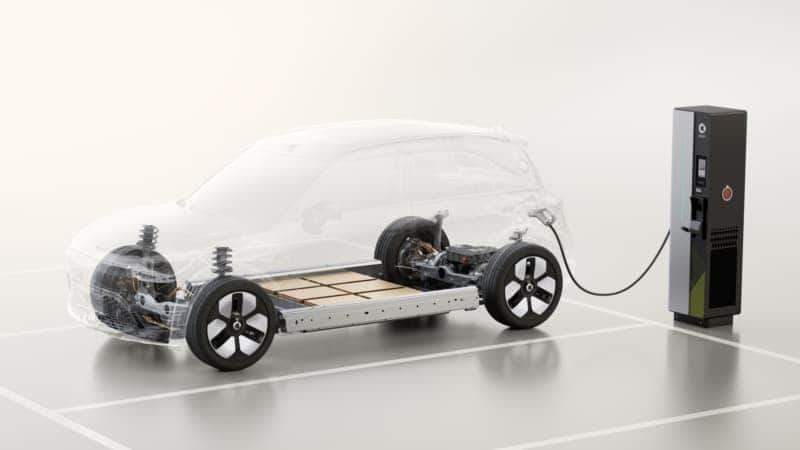
Smart #1 cuts charging time to 12 minutes
Technical requirements and accident procedures
The draft defines the physical characteristics of vehicles covered by the rules:
- Length of up to 110 cm
- Width of up to 80 cm
- Weight of up to 120 kg
- Electric motor output of up to 4 kW
- Reflectors, an audible signal and a registration number formatted as “one letter — four digits”
The document also sets out what should happen after a collision. If the incident is minor and nobody has a claim, the rover may continue its route. In a more serious case, a dispatcher must send a company representative to the scene, call the traffic police and provide video from the courier robot’s camera.
Why Russia is creating separate rover rules
Delivery robots have been tested in Russia for several years, primarily by Yandex. The company has operated them in Innopolis and selected districts of Moscow, but those deployments have taken place under experimental arrangements rather than full traffic regulations. Each launch therefore required approvals and was limited to relatively narrow operating zones.
Russia has used experimental legal regimes for other emerging transport scenarios, including autonomous vehicles. The approach allows authorities to begin with a restricted pilot, assess accidents, routes and complaints, and then consider permanent rules. Delivery rovers present a particularly complex case because they share public space with couriers, pedestrians, building-management companies and road services.
Internationally, comparable delivery robots are operated by Starship Technologies, Serve Robotics and Coco. China and the United States are also gradually introducing them into cities under local rules. For Russian operators, approval of the regime would create clearer conditions for new routes and wider geographic deployment instead of relying on one-off approvals.
The government has received the draft, but the source does not say when it may be approved. The next practical questions are where rovers will be allowed to travel and whether the necessary infrastructure will be built quickly enough.
Frontier Editor
Dan is our resident futurist, covering electric mobility, space exploration, and the smart home. He's interested in atoms just as much as bits. Whether it's a new battery chemistry, a reusable rocket, or a protocol that finally makes IoT devices talk to each other, Dan breaks down the engineering that pushes humanity forward.
via ITzine