• 2 min read
NSU’s greenhouse robot targets six-worker replacement
NSU students built an autonomous tomato-harvesting robot with two grippers, vision recognition and a claimed capacity to replace six greenhouse workers.
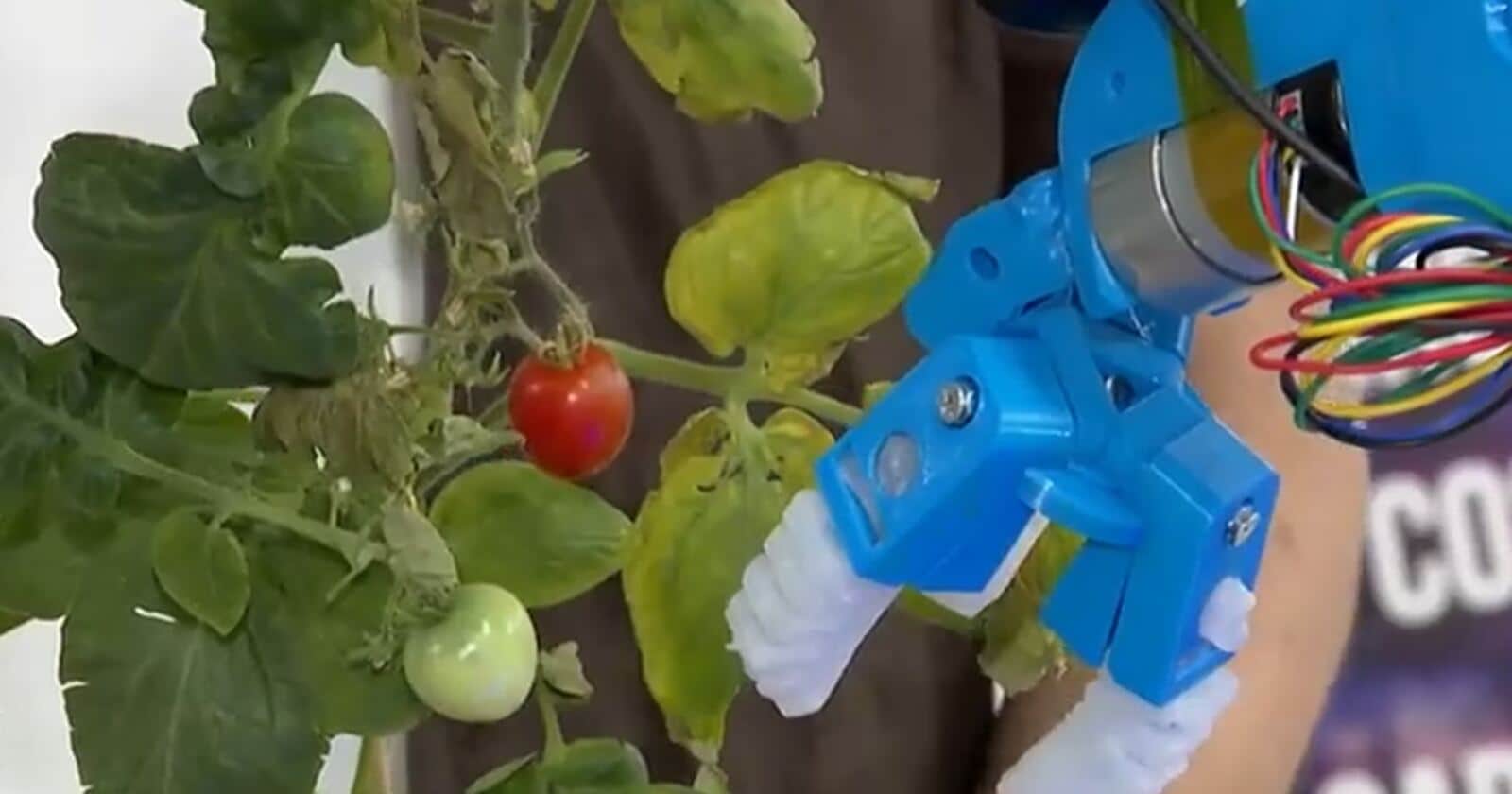
Image: ITzine
Image source: Vesti Novosibirsk
Students at Novosibirsk State University (NSU) have demonstrated an autonomous greenhouse robot designed to harvest tomatoes with minimal human intervention. The team says it can operate 24/7 and could replace up to six workers on a single line.
The machine is aimed at three difficult tasks: identifying ripe fruit, picking it without damaging the plant, and navigating greenhouse rows. NSU’s developers say the robot is intended to address rising manual-labor costs and shortages of seasonal workers in Russia and abroad. The concept also enters a field where industrial manipulators from Western and Asian manufacturers are already being developed to distinguish ripe fruit from foliage.
How the NSU greenhouse robot works
The robot uses a five-axis manipulator with two interchangeable gripping systems:
- A vacuum gripper for standard tomato varieties.
- A cutting assembly with heat treatment for plum-shaped varieties.
A high-resolution camera locates tomatoes, assesses their ripeness and condition, and detects fruit hidden beneath leaves. A microcomputer uses a database of tomato photographs to support recognition. The platform also has replaceable batteries and autonomous movement through the greenhouse.

Recommended reading
Oracle adds Google Gemini to its business apps
The developers focused on reducing contact damage. Silicone tentacles and microsensors monitor the gripping force, allowing the robot to hold a tomato securely without crushing it. After picking, the manipulator places the fruit into a pallet.
Industrial version and greenhouse trials
An industrial version of the machine already exists, and the team plans to offer it to agricultural companies. NSU’s developers also have partners prepared to introduce the robots into their greenhouses within a year.
The source does not specify a price, a precise deployment date, harvesting speed, or independent test results. For commercial adoption, the system will need to demonstrate not only reliable fruit recognition but also measurable savings compared with human labor—particularly in greenhouse operations that run continuously without shift breaks.
Maxim Tretyakov is a technical columnist covering mobile-phone markets and automotive technology.
Enterprise Editor
Marcus follows the money. He covers enterprise software, cloud architecture, and the tectonic shifts in Big Tech strategy. He translates dense earnings calls and complex M&A activity into actionable insights about where the industry is actually heading. If a tech giant makes a silent pivot, Marcus is usually the first to notice.
via ITzine