• 4 min read
Samsung sees memory shortage lasting through 2028
Samsung expects the memory-chip shortage to last through at least 2028, with prices and consumer-electronics costs potentially rising further in 2027.
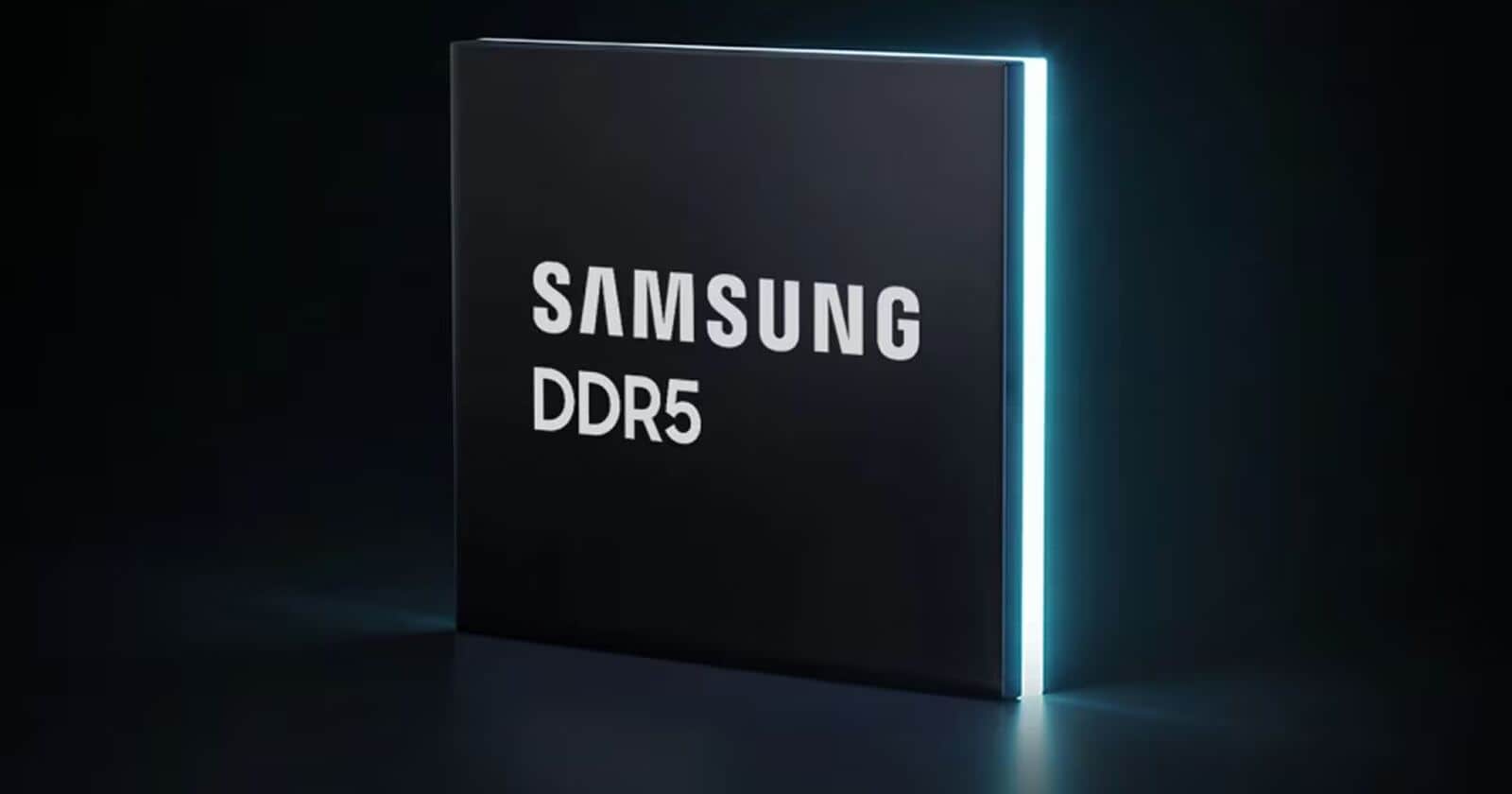
Image: ITzine
Samsung expects the global memory-chip shortage to last at least until 2028, with conditions potentially becoming even tighter in 2027. The company presented the forecast alongside its quarterly results, saying the pressure is not a short-lived demand spike but part of a longer purchasing cycle driven by large-model infrastructure.
Major customers are already sending Samsung multiyear demand forecasts and reserving future capacity well in advance. Instead of booking supplies for one or two quarters, they are seeking commitments much further out. That gives Samsung a clearer view of factory utilization and lets it prioritize customers willing to sign long-term contracts.
The trade-off is higher prices. DRAM, HBM and other memory types are becoming more expensive, raising costs for electronics manufacturers. Samsung has already increased prices for some Galaxy smartphones and tablets, while acknowledging that additional price increases could begin to weaken demand. Its semiconductor division has posted record revenue, but the company’s consumer-electronics business is considerably weaker.
Why memory is moving to server infrastructure
Samsung attributes the shortage primarily to capacity being redirected toward data centers and large-model infrastructure. Training and operating large models requires enormous amounts of memory—not only conventional DRAM, but also specialized products such as HBM, which modern accelerators rely on for their intended performance.
That shift is changing the way the memory market operates. In the past, manufacturers moved through relatively short cycles of rising demand and falling prices. Now, major customers are trying to lock in supply early so they are not left without chips when workloads surge again.

Recommended reading
Insta360's $69.99 tracker follows your gaze
The companies with the longest contract portfolios and the most available capacity have the strongest position. For Samsung, that means factories can remain highly utilized. For buyers of everyday electronics, the consequences are less favorable: manufacturers of laptops, smartphones and gaming PCs cannot absorb indefinitely rising component costs, particularly when demand is weak and competition in mass-market categories remains intense.
The pressure is also visible in adjacent markets. According to industry estimates cited by the source, Nvidia increased graphics-card prices by 10% to 30%, with the change quickly feeding into the prices of gaming PCs and laptops. Memory is no longer a quiet component inside a device; its cost is increasingly influencing the retail price of consumer electronics.
Impact on smartphones, PCs and TVs
Samsung has already demonstrated how the memory shortage can reach consumers. The company passed some of its higher component costs on to the Galaxy lineup and later said that further increases could hurt demand.
The pressure affects several product categories at once, from smartphones to televisions, with mass-market devices particularly exposed because their margins are already limited. Laptop and PC makers cannot keep configuration prices unchanged indefinitely if memory, storage and graphics processors all become more expensive.
Vendors may respond by:
- reducing specifications in some configurations;
- delaying updates to product lines; or
- emphasizing more expensive models, where higher margins provide more room to absorb cost increases.
For Samsung, 2026 could be a transitional year. As large infrastructure companies continue signing multiyear agreements and reserving chips in advance, the memory business should benefit from strong financial results. But if consumer demand weakens faster than production capacity expands, pressure on device sales will intensify.
2027 may bring the sharpest pressure
Samsung’s forecast extends beyond the memory market itself. If the company is correct, tight chip supplies will continue affecting electronics prices for at least two more years. The most difficult period could arrive in 2027, when demand for large-model infrastructure remains high but new factories have not yet closed the supply gap.
The source does not provide a detailed capacity-expansion timeline, a specific price forecast for memory products, or a release date for the additional factories. It does, however, describe a market in which future output is already being reserved years ahead—leaving consumer electronics buyers behind server and accelerator customers in the supply queue.
Computing Editor
Tomas lives in the terminal. He covers chips, laptops, and operating systems with a focus on performance and efficiency. He reads kernel changelogs the way other people read fiction, and he's always on the hunt for the perfect mechanical keyboard switch. If it processes data, Tomas has an opinion on it.
via ITzine