• 4 min read
Zoox clears a major hurdle as robotaxi rules tighten
Zoox cleared to charge for robotaxi rides as U.S. regulators push deployment while cities and lawmakers demand tougher AV safety rules.
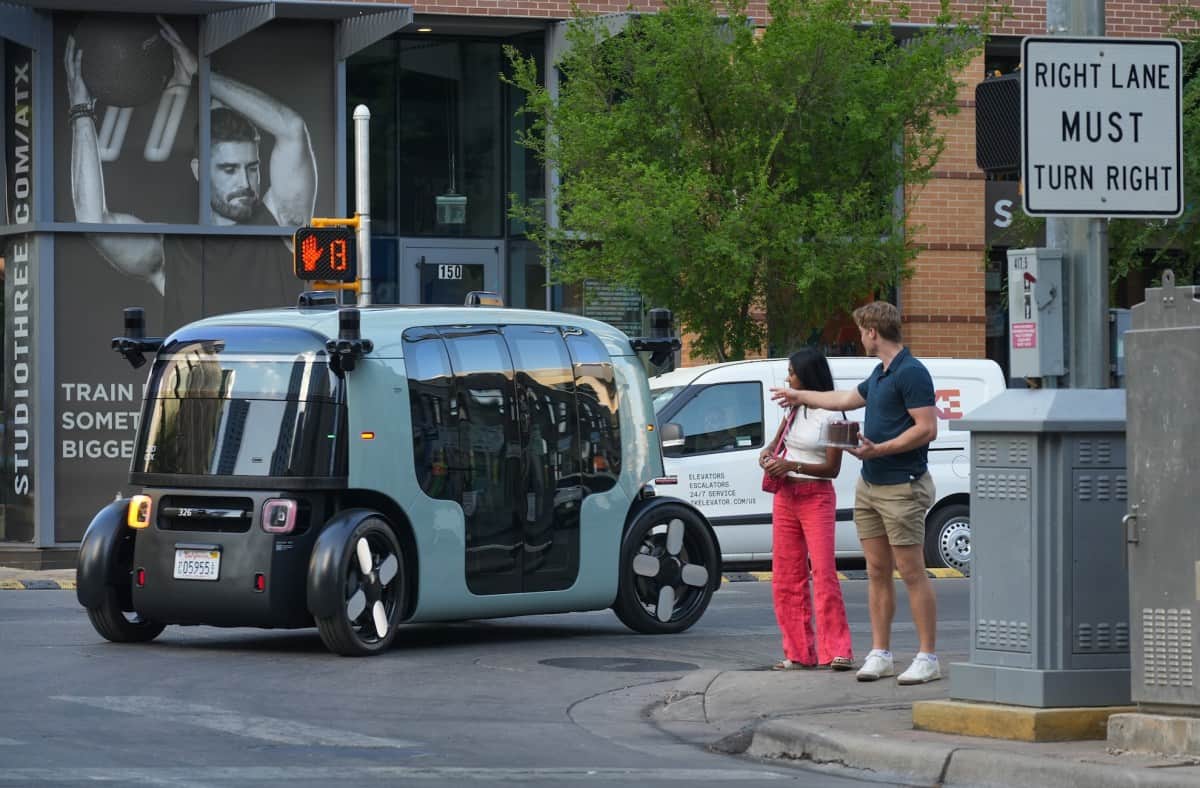
Image: TechCrunch
The U.S. autonomous-vehicle industry is being pulled in opposite directions: federal regulators are removing barriers to commercial deployment while state and local officials are demanding tighter safety rules.
The National Highway Traffic Safety Administration announced several measures intended to reduce regulatory friction around autonomous-vehicle technology. Its most consequential decision was granting Zoox a temporary exemption from eight federal motor vehicle safety standards.
That exemption clears one of the last major regulatory obstacles to Zoox charging for rides in its custom-built robotaxis. The company said paid service is imminent, beginning in Las Vegas.
At the same time, Waymo and other robotaxi operators face increasing scrutiny over how their vehicles respond to emergency personnel and road conditions. In San Francisco, Mayor Daniel Lurie asked state regulators to strengthen autonomous-vehicle rules after Waymo vehicles became immobile in heavy July 4 traffic, ran out of power, and blocked key streets.
Recommended reading
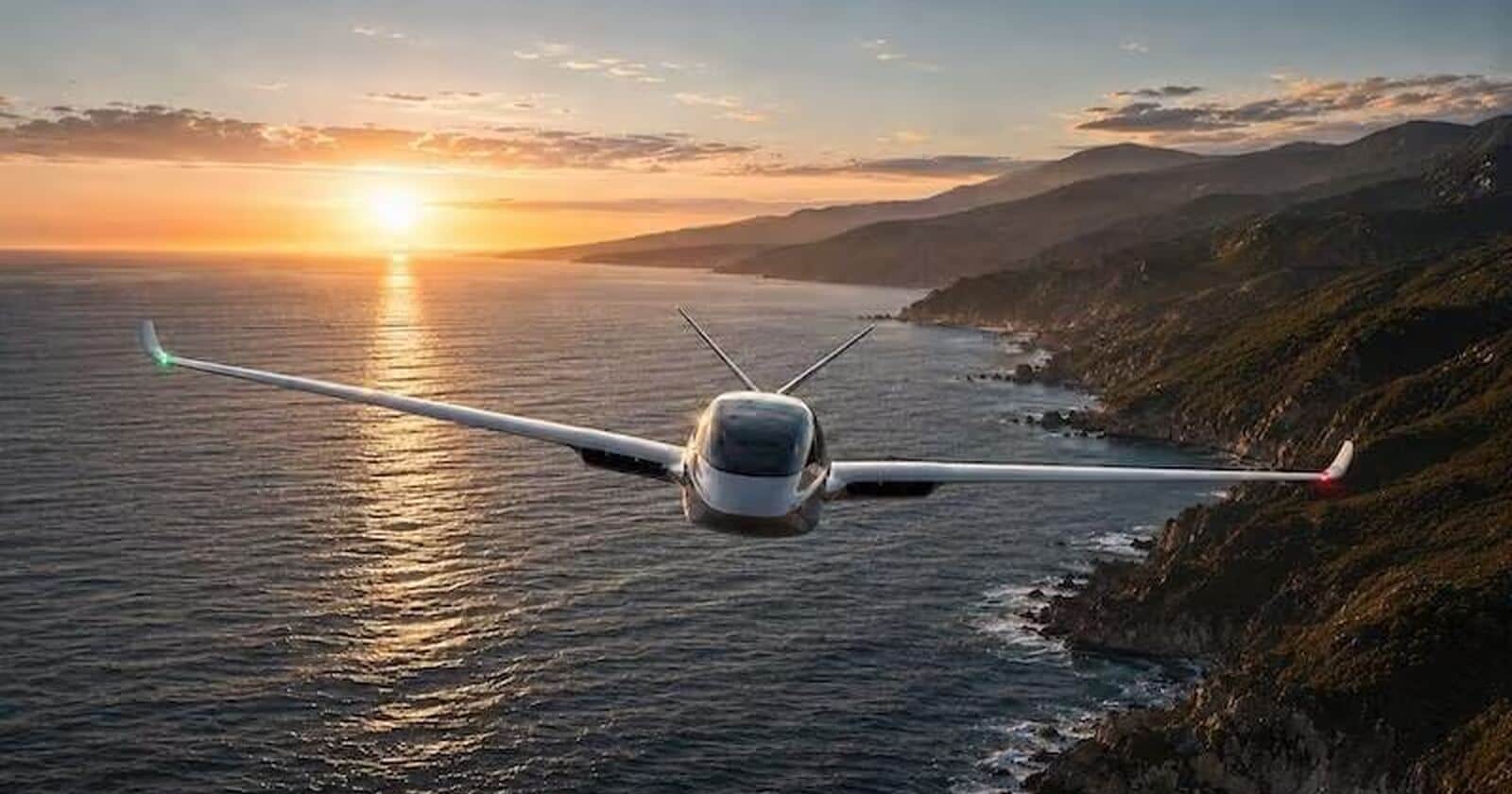
Cosmic One targets private aviation with six electric motors
Rep. Kevin Mullin (D-Calif.) has also proposed legislation directing federal regulators to establish minimum national safety standards for autonomous-vehicle operators.
“We have seen disturbing, and frankly, an unacceptable number of incidents where autonomous vehicles inadvertently interfere with emergency responders.”
Mobility deals and funding
Lucid Motors received another investment connected to Saudi Arabia. Prince Al Waleed bin Talal Al Saud, a member of the Saudi royal family, purchased slightly more than 19 million shares, equivalent to about 5% of the company, according to a regulatory filing.
Elon Musk’s tunneling company The Boring Company is in talks to raise $4 billion at a $20 billion valuation. Terminal, a Toronto startup providing telematics data infrastructure for commercial fleets, raised $20 million in a Series A led by Battery Ventures. Intact Private Capital, Penske, Y Combinator, and Wayfinder Ventures also participated.
Robotaxis, drones, and electric vehicles
Alaska Airlines CEO and President Ben Minicucci joined Lyft’s board. In drone delivery, Walmart and Alphabet’s Wing began service across Central Florida, while Flytrex partnered with logistics platform Nash.
DoorDash announced plans to build a drone-delivery business, including its own aircraft. The effort is being developed by the company’s robotics and autonomy team and will eventually operate through DoorDash’s delivery app.
Ferrari reached its sales target for the Luce, its first all-electric vehicle, in just two months despite criticism of the model. Florida, meanwhile, was awarded $200 million through the federal National Electric Vehicle Infrastructure program, but the state is using the funding to build 32 landing pads with charging stations for electric vertical take-off and landing aircraft, or eVTOLs, rather than charging infrastructure for electric cars.
London is emerging as another robotaxi test market. Baidu has begun testing autonomous vehicles there through its partnership with Lyft and Freenow, the taxi and multimobility app now owned by Lyft. The companies plan to let the public hail their robotaxis in 2027.
Waymo began testing in London with human safety operators in April. Uber and self-driving technology partner Wayve have announced plans to launch a robotaxi service in the city this year.
Rivian spinoff Also is scheduled to begin delivering its first e-bikes next week, after months of delays tied to unspecified supply-chain issues. Tesla has built its 10 millionth EV and is reportedly considering selling its China business ahead of a possible merger with SpaceX, according to The Wall Street Journal.
Waymo robotaxis have also started returning to freeways, more than two months after the company stopped using the high-speed roads because of concerns about vehicle behavior near construction zones.
GM and Ford talk less about EVs
TechCrunch and Hudson Labs, a New York-based financial research firm, reviewed seven years of quarterly earnings calls from GM and Ford. Their analysis found that both automakers discuss electric vehicles less frequently than they did before the pandemic.
The companies continue to sell EVs and have new models in their pipelines, but the data shows that their collective focus has shifted as earlier electric-vehicle spending plans and joint ventures have retreated.
Frontier Editor
Dan is our resident futurist, covering electric mobility, space exploration, and the smart home. He's interested in atoms just as much as bits. Whether it's a new battery chemistry, a reusable rocket, or a protocol that finally makes IoT devices talk to each other, Dan breaks down the engineering that pushes humanity forward.
via TechCrunch