• 3 min read
U.S. licenses commercial seawater uranium extraction
The U.S. DOE licensed SuperCritical Materials to commercialize uranium extraction from seawater, moving the technology toward industrial testing.
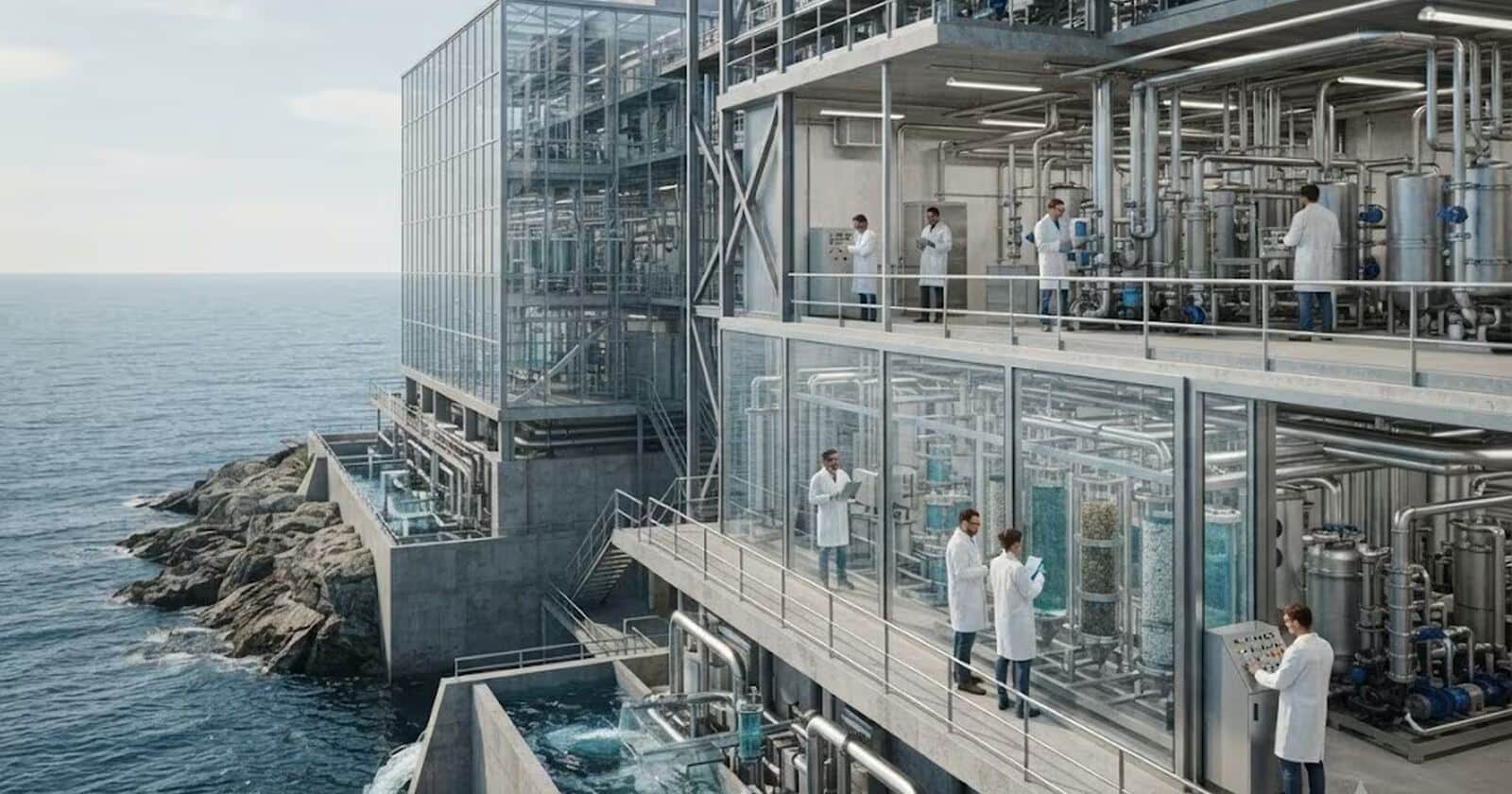
Image: ITzine
The U.S. Department of Energy has granted SuperCritical Materials a license to commercially use technology that extracts uranium from seawater, giving the Austin-based company a path from laboratory research to industrial deployment.
The company can manufacture and implement the system in the United States and hopes eventually to take it to allied countries. Researchers at the Pacific Northwest National Laboratory developed the technology with support from the DOE’s Office of Nuclear Energy.
The method relies on adsorbent materials that bind uranium dissolved in seawater. SuperCritical Materials estimates that the ocean contains about 4.5 billion tons of uranium—more than confirmed land-based reserves.
That resource is attracting renewed attention as U.S. uranium demand rises beyond the needs of existing nuclear plants. Electricity consumption from data centers, AI and energy-intensive manufacturing is pushing Washington to accelerate nuclear power development. Without additional sources of uranium and fuel-processing capacity, new reactors could face raw-material constraints rather than engineering ones.
Why seawater uranium has stayed experimental
The idea of extracting uranium from the ocean is decades old. Seawater offers a vast resource already dissolved in water, avoiding the need for mines and open pits. The difficulty is concentration: uranium is present in very small amounts, so capture materials must operate for long periods, selectively bind the element and be regenerated without making the process uneconomical.
Recommended reading
York Space buys All.Space for $300 million
Ocean conditions also accelerate equipment wear and increase maintenance costs. Many projects have therefore remained at the testing stage. Demonstrating the chemistry in a laboratory is one challenge; operating a plant with acceptable costs, throughput, safety requirements and maintenance demands is another.
The DOE license does not mark the end of that process. It gives SuperCritical Materials permission to move into the most expensive phase: industrial validation, where the company will need to establish real operating costs and compare the resulting uranium with conventional supplies.
What the DOE license enables
For the U.S. nuclear sector, the license fits into a broader effort to secure fuel for new reactors across the supply chain—from uranium extraction to the manufacture of fuel assemblies. The United States is seeking to strengthen its domestic production base and reduce reliance on foreign supplies of strategic nuclear fuel.
SuperCritical Materials also sees potential beyond uranium. If the technology reaches a competitive cost, seawater could provide a platform for extracting other valuable elements as well.
The central question is no longer whether the ocean contains enough uranium. At an estimated 4.5 billion tons, the resource is substantial. The test will be whether the system can recover it reliably, cheaply and at scale. Those answers will emerge only after industrial trials, when actual costs and output can be measured against traditional mining.
If the company’s estimates hold, the United States would gain another potential source of nuclear fuel as electricity demand from grids and data centers grows. If they do not, the project could remain a technically strong laboratory concept that failed to achieve viable economies of scale.

Frontier Editor
Dan is our resident futurist, covering electric mobility, space exploration, and the smart home. He's interested in atoms just as much as bits. Whether it's a new battery chemistry, a reusable rocket, or a protocol that finally makes IoT devices talk to each other, Dan breaks down the engineering that pushes humanity forward.
via ITzine