• 2 min read
Tesla says supervised FSD crashes half as often
Tesla says FSD Supervised has half as many crashes as regular driving, based on more than 12 billion customer miles, but drivers must remain attentive.
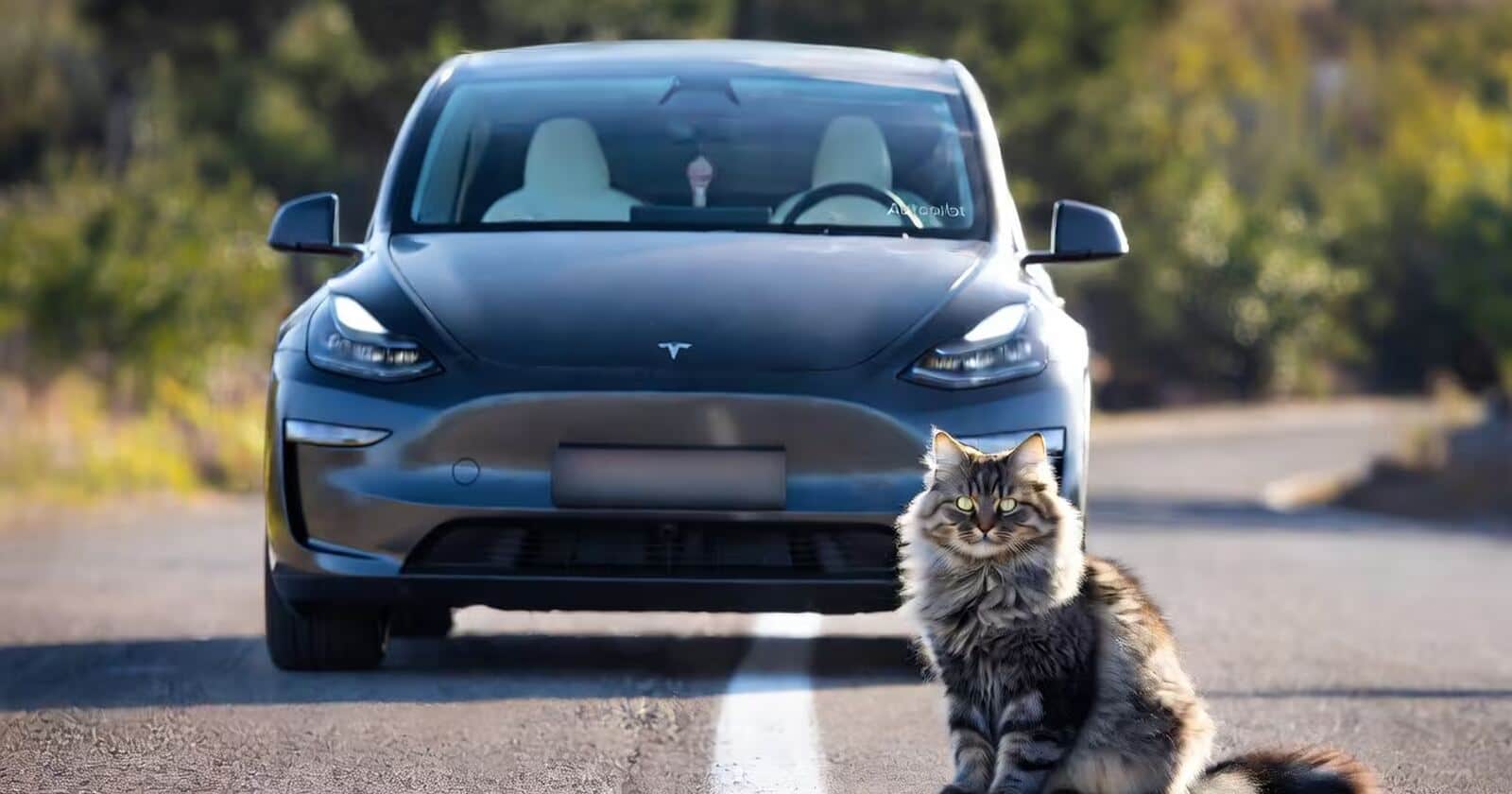
Image: ITzine
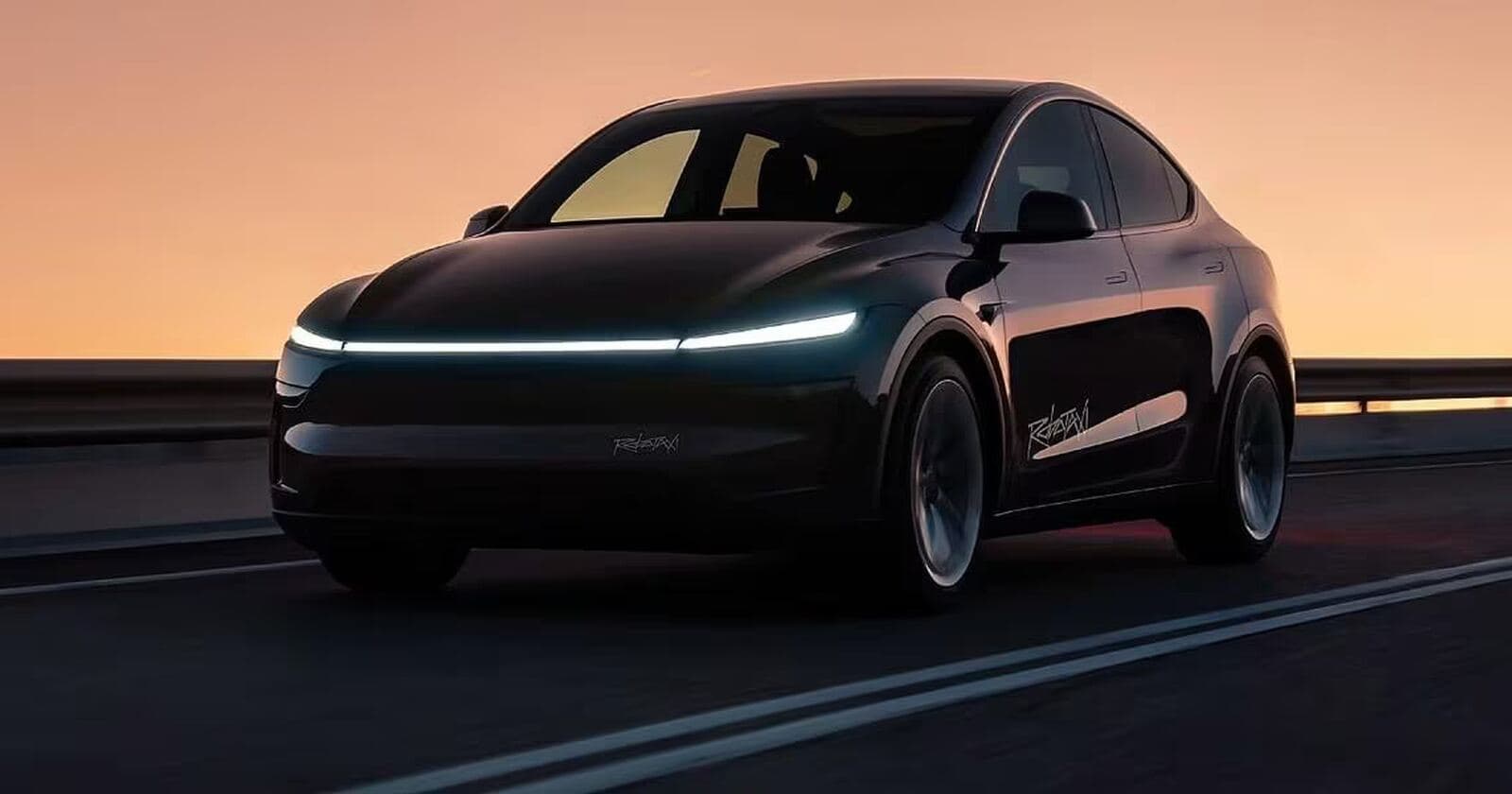
Tesla is again positioning its driver-assistance system as safer than conventional driving. Ashok Elluswamy, the company’s head of AI, says FSD Supervised is involved in roughly half as many crashes as Tesla vehicles without the system.
According to Elluswamy, the comparison is based on more than 12 billion miles—about 19.3 billion kilometers—of real-world customer driving. He said the system is particularly effective in rare, dangerous situations, including when:
- A pedestrian suddenly enters the road
- An animal runs into traffic
- Another driver goes through a red light
- A vehicle cuts sharply in front of the Tesla
Tesla is also emphasizing reduced driver workload. Elluswamy described FSD as a way to improve family safety and reduce some of the stress of driving.
However, FSD Supervised still requires continuous human monitoring. It is not fully autonomous driving, but an advanced driver-assistance system operated under the driver’s responsibility. Tesla reiterates that limitation after major FSD announcements.
Recommended reading
GM brings gasoline Cadillac models back in 2027
The safety claim also serves a commercial purpose. Tesla is promoting FSD as a reason to choose its electric vehicles as competition intensifies from BYD, Hyundai, and several Chinese brands. The rivals are taking different approaches: Waymo is developing driverless robotaxis, while Tesla is focusing on mass-market cars whose owners remain responsible for operation.
Tesla has faced repeated scrutiny over FSD safety. US regulators have investigated incidents involving driver-assistance systems, while critics question comparisons based on manufacturers' own operating data rather than independent crash registries. The key test will be whether Tesla produces the same result under stricter external review.
Arthur Berg is a senior news editor specializing in fast-moving analysis of the electronics and gaming markets. He has published more than 2,800 articles on mobile-industry developments, wearable devices, and cloud technology, and covers major international trade shows including IFA while analyzing leading technology brands in the Russian and global markets.
Frontier Editor
Dan is our resident futurist, covering electric mobility, space exploration, and the smart home. He's interested in atoms just as much as bits. Whether it's a new battery chemistry, a reusable rocket, or a protocol that finally makes IoT devices talk to each other, Dan breaks down the engineering that pushes humanity forward.
via ITzine