• 2 min read
Tesla adds Orlando and Tampa to robotaxi tests
Tesla is testing Model Y robotaxis in Orlando and Tampa, but the limited rollout offers few signs of a rapid US commercial expansion.
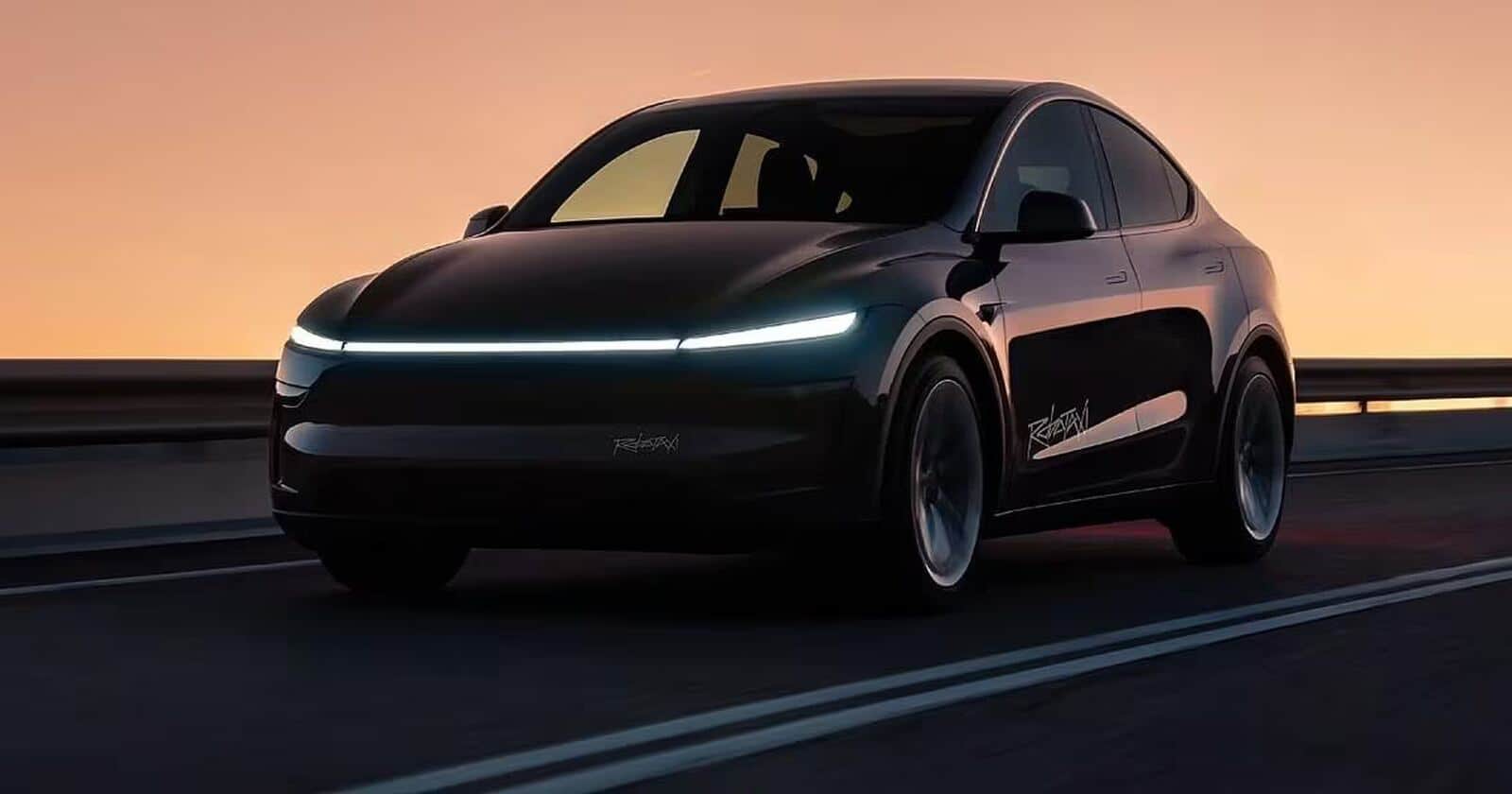
Image: ITzine
Tesla has begun testing its Model Y-based robotaxi service in Orlando and Tampa, expanding its Florida footprint to four locations. The rollout remains small enough to look more like a controlled pilot than a full market launch.
In both new cities, the vehicles operate without a driver-operator. Tesla has not disclosed the size of the fleet, how long the vehicles run each day, or the exact service areas. Available information suggests the robotaxis are restricted to relatively small zones, while the company has offered few operational details.
Tesla’s cautious expansion in Florida
Florida is Tesla’s second new testing area in a short period. The company started trials in Miami several weeks ago, after autonomous Model Ys appeared in Dallas and Houston ahead of its first-quarter results.
The Texas deployments have barely expanded since launch. That history makes the Florida rollout look less like a rapid expansion and more like another localized test of the service, infrastructure, permits, and regulatory response.
Recommended reading
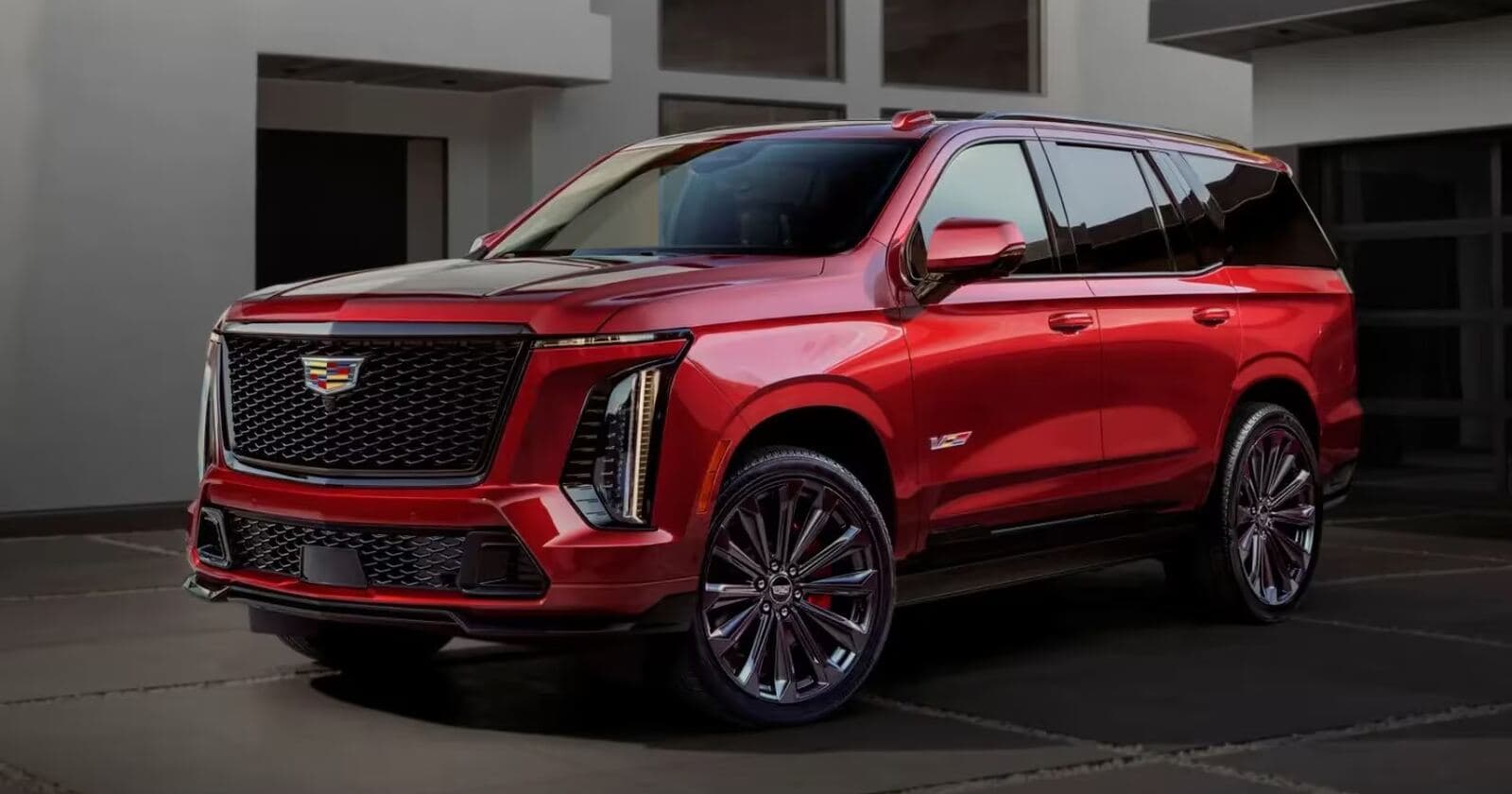
GM brings gasoline Cadillac models back in 2027
Tesla has followed a familiar pattern: a high-profile announcement, a limited launch, and little public reporting afterward. The company has no public city map, leaving observers with isolated testing locations but no clear picture of how close the program is to commercial scale.
The gap between Tesla’s ambitions and its execution is becoming harder to ignore. Elon Musk said a year ago that Tesla robotaxis could cover half of the United States by the end of 2025, but his later comments have been more cautious.
Tesla faces a wider Waymo network
The comparison with Waymo, Tesla’s main US robotaxi competitor, is increasingly unfavorable. Waymo is already carrying passengers across several major US metropolitan areas and expanding by neighborhoods and cities rather than adding isolated test points.
For autonomous taxi services, the key measure is not whether a launch has been announced. It is how many trips actually operate each day. Tesla’s latest Florida tests provide no figures on rides, fleet size, or utilization.
The regulatory environment could still give Tesla more flexibility. Last month, the US Department of Transportation proposed removing the mandatory brake-pedal requirement for vehicles designed from the outset for fully autonomous operation. If adopted, the change could make it easier for Tesla to deploy its two-seat Cybercab, which the company has already shown and placed in several cities while awaiting launch approval.
For now, Tesla is adding robotaxi locations one city at a time, while its closest rival is operating across a broader network. Orlando and Tampa will matter less as announcements than as a test of whether Tesla can turn limited demonstrations into a service that supports regular daily trips.

Frontier Editor
Dan is our resident futurist, covering electric mobility, space exploration, and the smart home. He's interested in atoms just as much as bits. Whether it's a new battery chemistry, a reusable rocket, or a protocol that finally makes IoT devices talk to each other, Dan breaks down the engineering that pushes humanity forward.
via ITzine