• 2 min read
China now requires EV battery health readings
China now requires new vehicles to show battery health through onboard displays, mobile apps, or other systems, with SOCE accuracy within 5%.
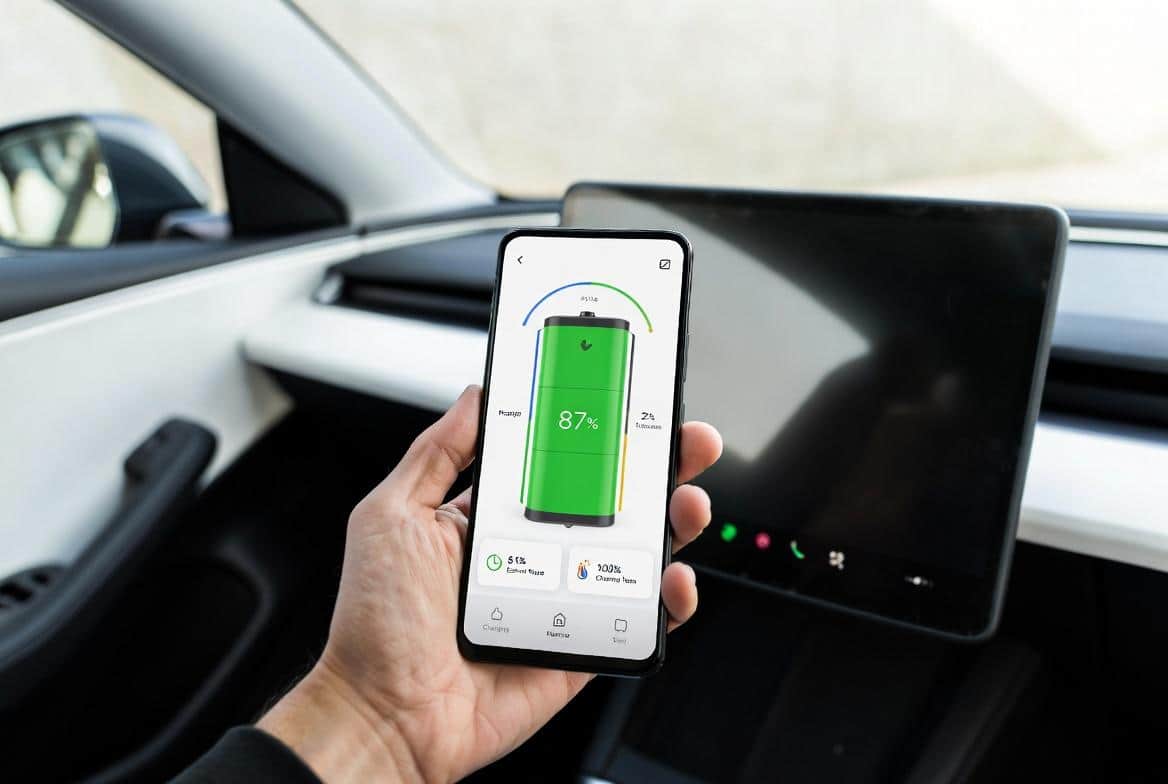
Image: iXBT
China’s new electric-vehicle rules took effect on July 1, 2026, requiring newly sold vehicles to let consumers track battery wear through the vehicle’s onboard systems, mobile apps, or other tools.
The standard uses SOCE (State of Energy Available) to assess the remaining capacity of automotive batteries. The metric compares a battery’s current actual capacity with its capacity when the vehicle was new.
For example, a new battery might store enough energy for a 500-kilometer trip. After several years, degradation could reduce that range to 400 kilometers, resulting in an SOCE value of 80%.
A higher SOCE indicates greater remaining battery capacity and a driving range closer to that of a new vehicle. A lower value signals more substantial degradation.

Recommended reading
Volkswagen’s e-bike adds radar and smart glasses
Drivers can check SOCE through the vehicle’s central control display or the automaker’s official app. The data must be accurate and reliable: under the standard’s disclosure requirements, the difference between the displayed SOCE and the measured value may not exceed 5%.

Frontier Editor
Dan is our resident futurist, covering electric mobility, space exploration, and the smart home. He's interested in atoms just as much as bits. Whether it's a new battery chemistry, a reusable rocket, or a protocol that finally makes IoT devices talk to each other, Dan breaks down the engineering that pushes humanity forward.
via iXBT