• 2 min read
OpenAI targets small businesses with ChatGPT program
OpenAI is launching training, events, and workflow integrations to help small businesses adopt ChatGPT Work, Codex, and other tools.
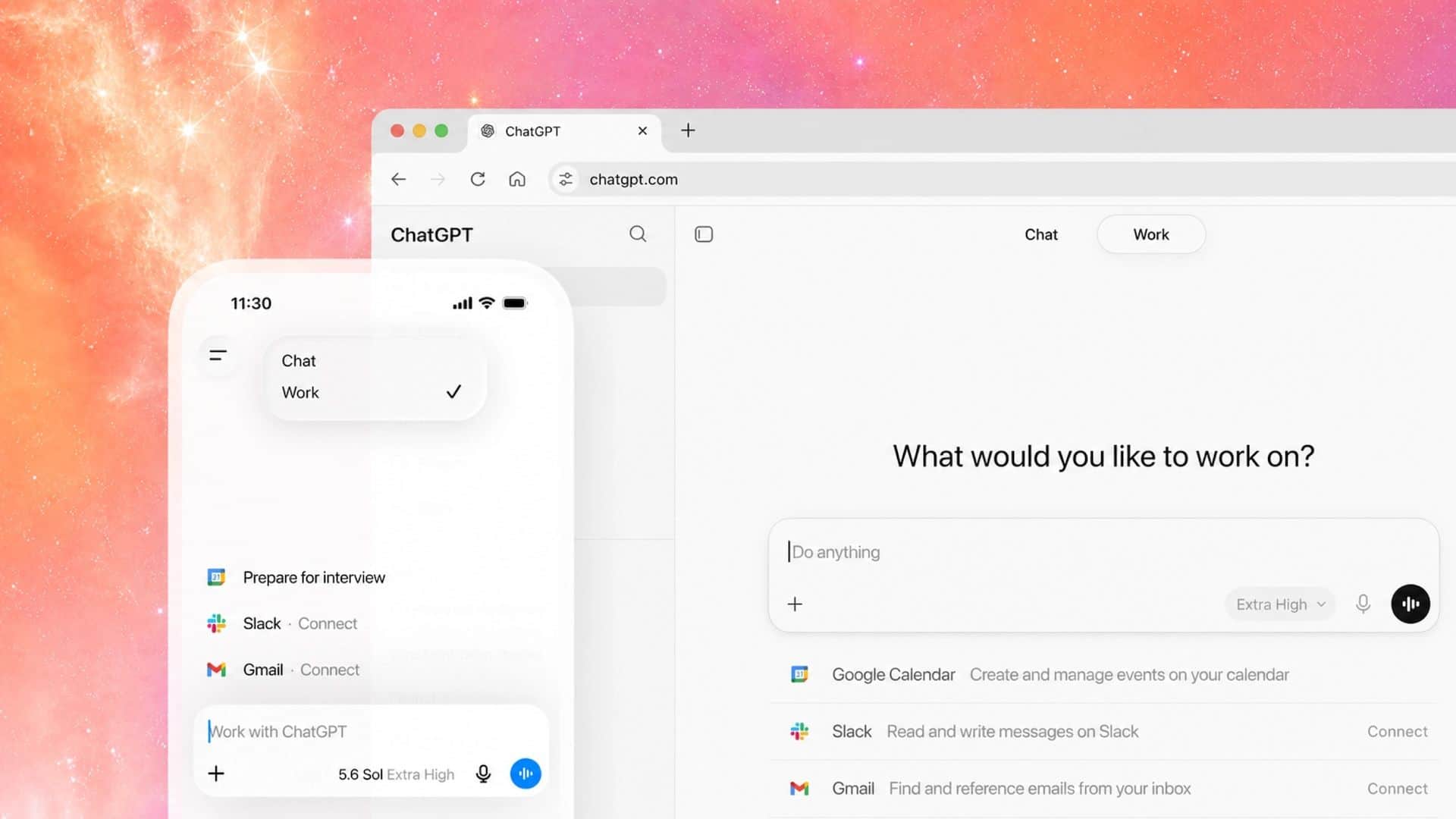
Image: TechRadar
OpenAI is launching a dedicated program to help small and medium-sized businesses automate routine work and improve productivity without the large teams and resources available to bigger enterprises.
The initiative centers on education rather than a new standalone product. OpenAI plans to offer:
- Online training, webinars, and practical guides for using ChatGPT Work
- Prompt-engineering guidance and interactive learning materials
- In-person events across the US through OpenAI Academy
- Agents, plugins, and skills designed for common small-business workflows
Initial partners include Dropbox, Shopify, Intuit, Slack, and Wix, potentially giving smaller companies tools for tasks such as collaboration, commerce, finance, and website management.
“Small businesses can choose the right level of intelligence model for the work at hand, and together, they give lean teams more flexibility to balance quality, speed, and cost.”
OpenAI targets the small-business market
The move expands OpenAI’s focus beyond specialized sectors such as finance and law. Small and medium-sized businesses account for around 99% of the private sector globally, making them a major potential source of adoption and usage.

Recommended reading
Dimension Capital raises $800M for third fund
OpenAI is also promoting ChatGPT Work, its recently launched business platform. The company says ChatGPT Work and Codex now have a combined 10 million users, although access to ChatGPT Work and GPT-5.6 varies by subscription tier and platform. Both are available to most subscribers through the web, desktop, and mobile apps, with features differing for paying customers.
The program gives OpenAI a way to encourage more regular use among lean teams while providing businesses with training and integrations instead of expecting them to build their own workflows from scratch.

Enterprise Editor
Marcus follows the money. He covers enterprise software, cloud architecture, and the tectonic shifts in Big Tech strategy. He translates dense earnings calls and complex M&A activity into actionable insights about where the industry is actually heading. If a tech giant makes a silent pivot, Marcus is usually the first to notice.
via TechRadar