• 3 min read
GM brings gasoline Cadillac models back in 2027
GM will launch gasoline-powered Cadillac CT5, XT5, and XT6 models in spring 2027 after nearly $11 billion in EV strategy costs.
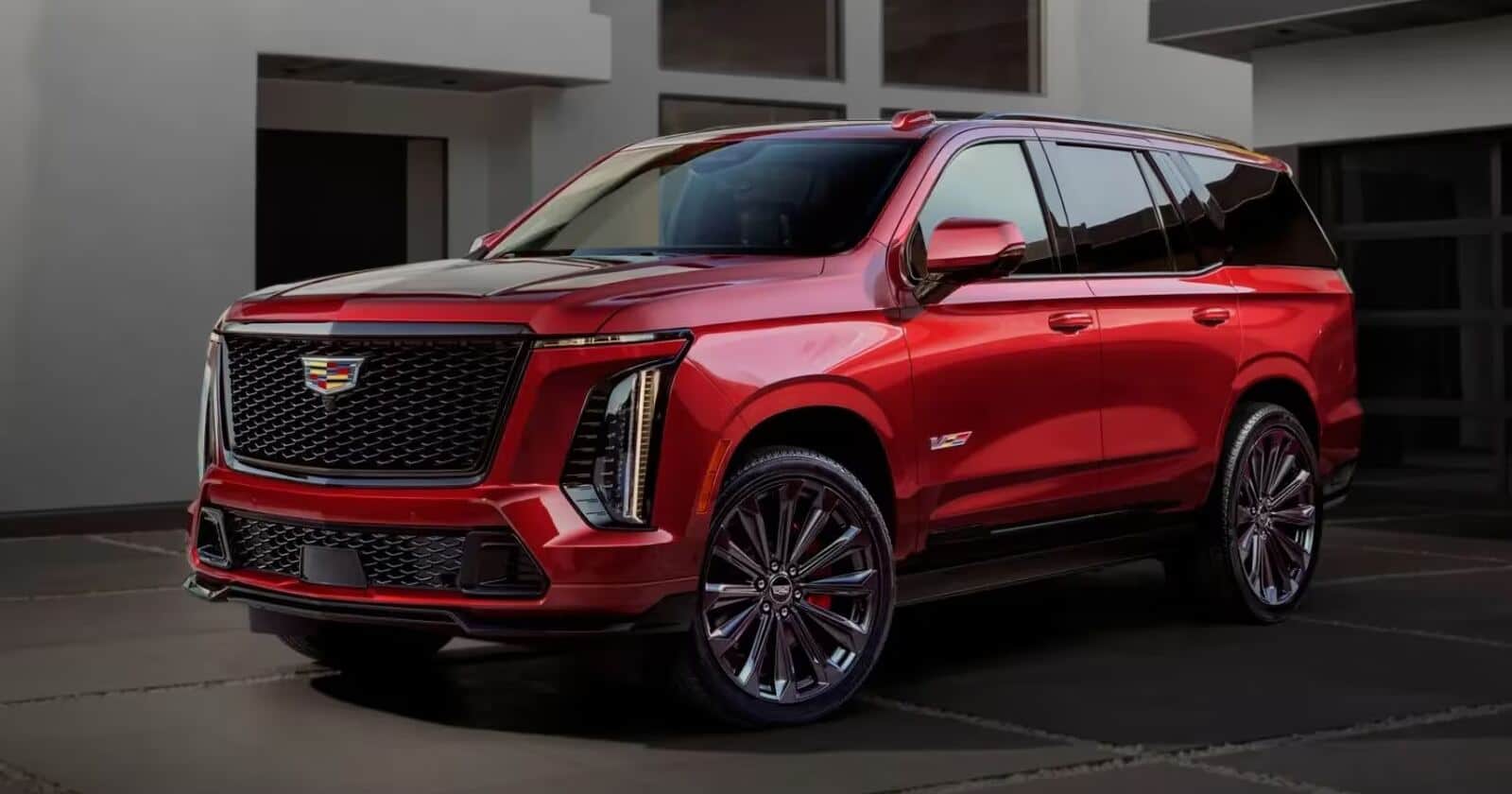
Image: ITzine
General Motors is bringing gasoline-powered Cadillac models back into the lineup after years of steering the premium brand toward an almost entirely electric future. From spring 2027, the company says new CT5, XT5, and XT6 models with internal-combustion engines will go on sale alongside Cadillac’s electric vehicles.
The decision came as GM reported a stronger-than-expected quarter while acknowledging that its revised EV plans have already cost almost $11 billion. The charges include canceled battery contracts, halted factory projects, and reduced production volumes planned under the previous electric-vehicle strategy.
Cadillac’s two-track strategy
GM had previously planned to shift Cadillac almost entirely to electric power by the end of the decade. The revised approach gives the brand two parallel product lines: internal-combustion vehicles and EVs.
For Cadillac, the return of gasoline models is less an exercise in nostalgia than an attempt to reach a broader US premium-car audience. Demand for electric vehicles in the segment has been uneven, while large SUVs and sedans with combustion engines continue to attract buyers. The new CT5, XT5, and XT6 are expected to reinforce that side of the portfolio.
Recommended reading
Tesla adds Orlando and Tampa to robotaxi tests
The wider EV reset began several years ago, when GM increased spending on batteries, dedicated platforms, and new production capacity. That investment formed part of a broader push by US automakers—including Ford, Stellantis, and General Motors—to compete with Tesla and rapidly expanding Chinese manufacturers.
By 2026, the industry had become more cautious. Automakers have delayed EV launches, paused individual projects, and retained hybrids as an alternative. Toyota has already benefited from hybrid demand, while GM says it does not yet have a comparable lineup.
The strategy change extends beyond Cadillac. GM is moving some production to US facilities, including full-size SUVs at a Michigan plant that had previously been considered for electric vehicles. Other automakers, including Mercedes-Benz, Volvo, and Honda, have also adjusted electrification timelines and targets in response to demand, battery costs, and the pace of charging-network construction.
GM’s second-quarter results
Cadillac’s shift was announced alongside a strong financial report. In the second quarter, GM posted $48 billion in revenue, ahead of the $47 billion expected. Adjusted profit rose by about 30% year over year to nearly $4 billion.
The company raised its full-year forecast for adjusted operating profit to $14 billion–$16 billion and lifted its adjusted earnings-per-share outlook to $12–$14. North America remains the main source of earnings: regional operating margin exceeded 8.5%, the average vehicle selling price was $52,000, and warranty costs declined.
Overall second-quarter sales still fell 4%. GM had paid about $4.5 billion of the expected costs by the end of the quarter, against anticipated expenses of more than $7 billion. Most of the remaining payments are due in 2026.
The next test comes in 2027, when the new gasoline-powered Cadillac models are scheduled to reach the market. Their performance will show whether GM can sustain premium sales with a dual powertrain strategy as EV adoption continues to develop.

Frontier Editor
Dan is our resident futurist, covering electric mobility, space exploration, and the smart home. He's interested in atoms just as much as bits. Whether it's a new battery chemistry, a reusable rocket, or a protocol that finally makes IoT devices talk to each other, Dan breaks down the engineering that pushes humanity forward.
via ITzine