• 2 min read
Russia Wants ROS Modules Docked to ISS First
Russia plans to attach the first ROS modules to the ISS before its new station operates independently. The first module is still slated for 2028.
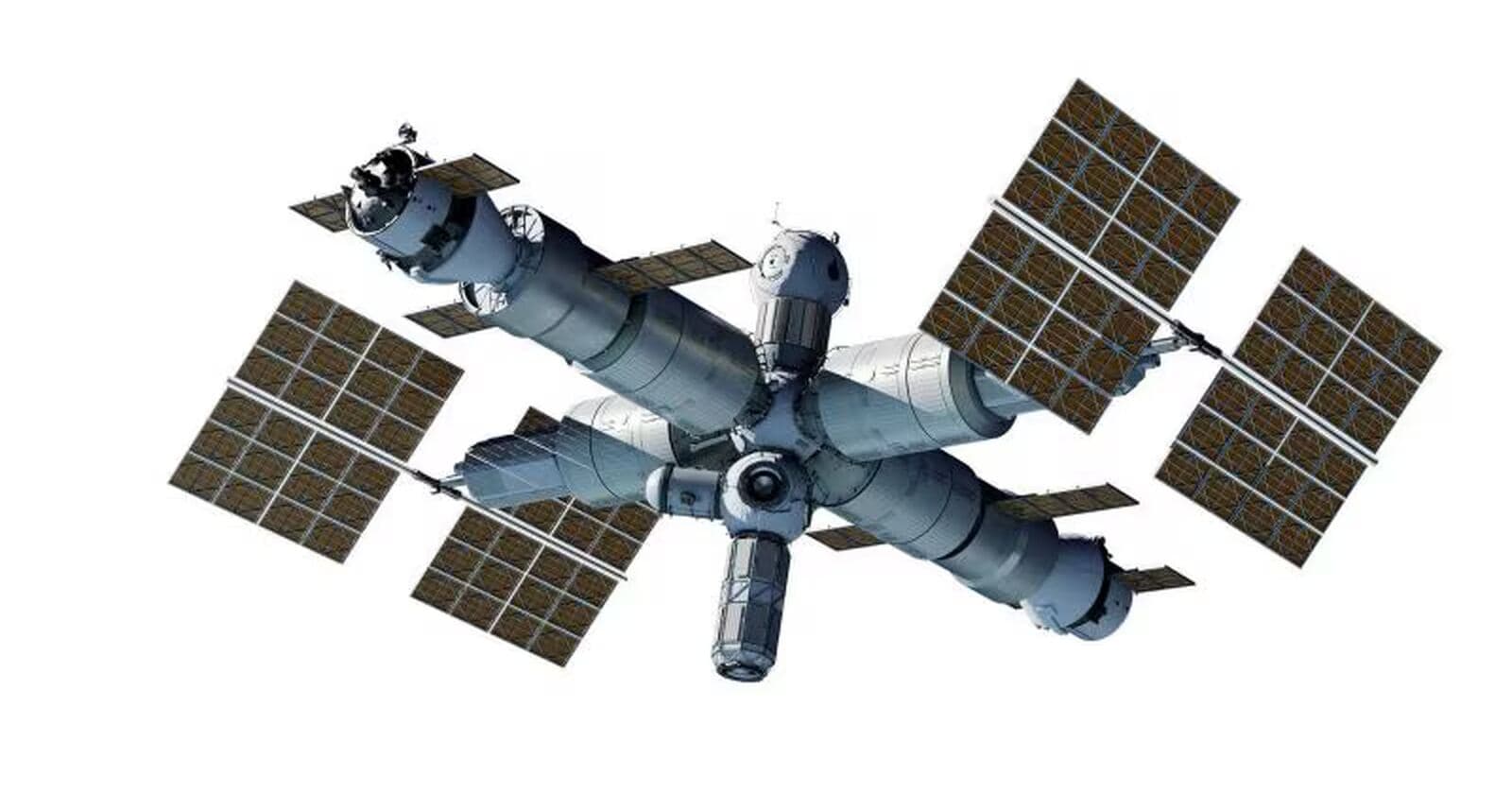
Image: ITzine
Russia is planning to use the ISS as a stepping stone for its future Russian Orbital Station (ROS) rather than making a clean break. According to Oleg Kononenko, head of the Gagarin Cosmonaut Training Center, the first ROS modules are intended to dock with the Russian segment of the ISS, with the station’s extension to 2030 giving the program more time to make that transition.
The goal is continuity. Each extra year on the ISS lets Russia keep its crewed space program running, complete scientific work, test new systems, and retain the teams that have spent years operating orbital infrastructure. Under the current plan, the first ROS elements would not launch as a fully independent station. Instead, they would initially rely on the existing Russian ISS segment, familiar procedures, and operational experience built up over years of real missions.
The key dates have not changed: the first ROS module is expected in 2028, and full deployment of the station remains scheduled for 2034. Earlier, the science and power module had been described as the core element of the new station. It was originally prepared for the ISS before later being folded into the ROS configuration, underscoring that the project builds on existing hardware rather than starting from scratch.
The shift from the ISS to ROS has been under discussion for several years, and timelines have moved more than once. In 2021, Roscosmos approved the overall concept for the new Russian station, and public statements since then have pointed to a first-module launch in either 2027 or 2028. The emphasis now is on a phased transition rather than an abrupt split.
That matters because the ISS remains Russia’s only uninterrupted platform for crewed orbital operations. Leaving before a replacement is ready would mean halting crew launches, winding down experiments, and later rebuilding specialist training at significant cost.
Recommended reading
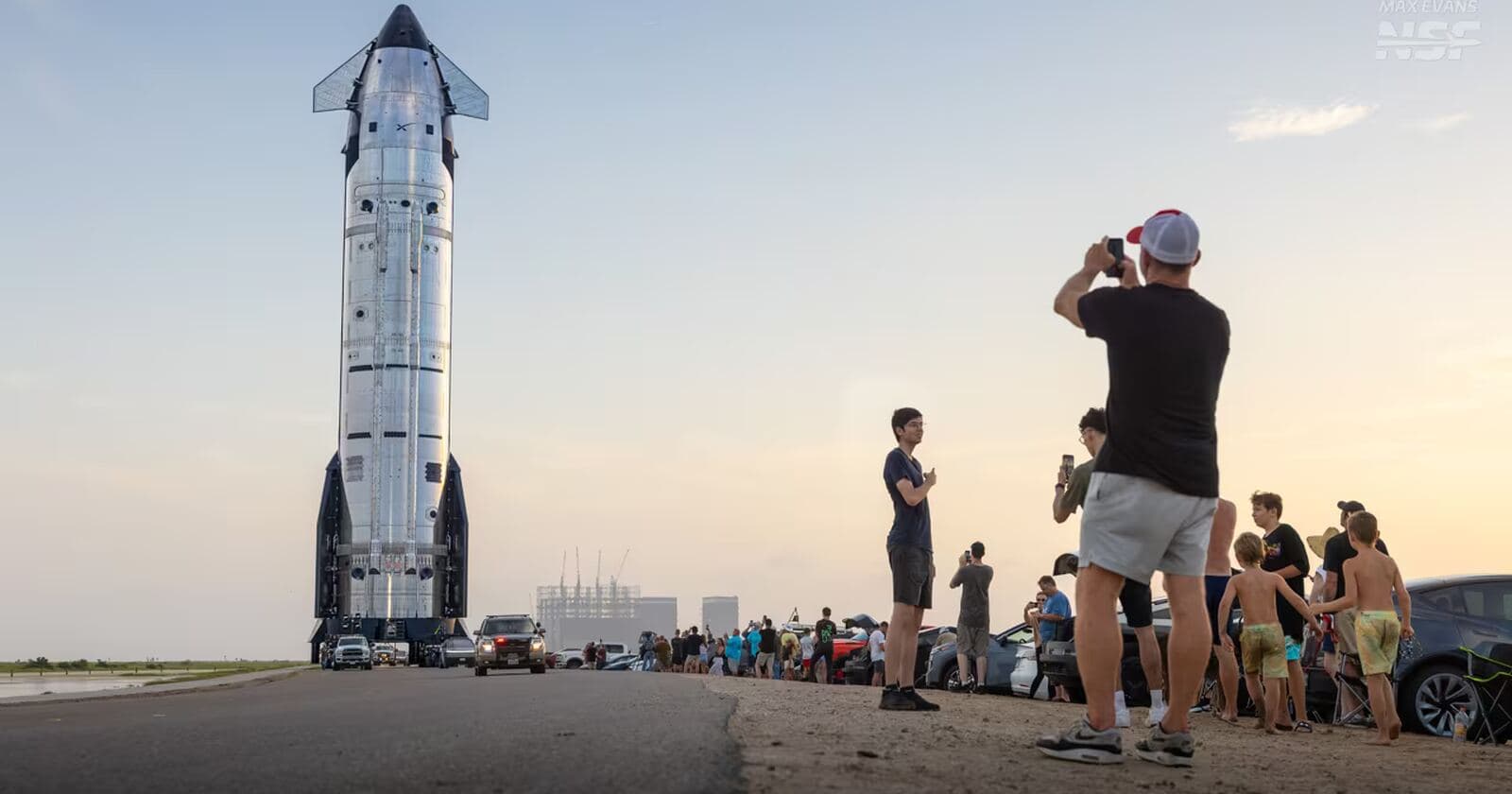
Starship stacked in Texas for 13th test flight
Russia’s ISS partners are operating on a similar timeline. NASA and its allies have long targeted 2030 for the station’s end of service, and in 2024 NASA selected SpaceX to develop the vehicle that will deorbit the ISS after the program ends, under a contract worth up to $843 million.
If the schedule holds, there would be roughly two years between the launch of the first ROS module in 2028 and the end of ISS operations in 2030 — a window for parallel testing that could determine whether ROS is ready to replace the station Russia has used for more than a quarter century.

Frontier Editor
Dan is our resident futurist, covering electric mobility, space exploration, and the smart home. He's interested in atoms just as much as bits. Whether it's a new battery chemistry, a reusable rocket, or a protocol that finally makes IoT devices talk to each other, Dan breaks down the engineering that pushes humanity forward.
via ITzine