• 2 min read
Russia targets 2028 car voice-control standard
Russia plans to approve a state standard for in-car voice control by December 2028, setting common rules for recognition, safety, and command handling.

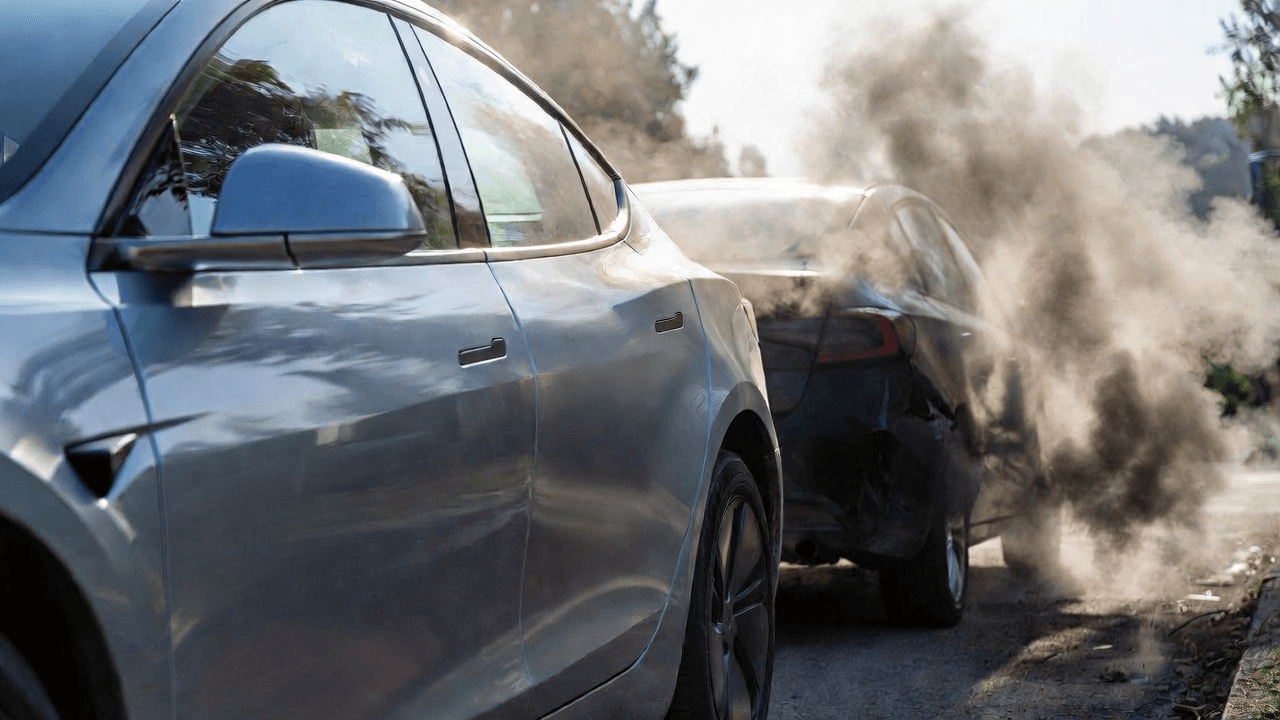
Image: ITzine
Russia is set to approve a state standard for in-car voice control by December 2028. According to a document seen by TASS, Rosstandart, the Ministry of Industry and Trade, and the Ministry of Transport have been tasked with defining how vehicles should recognize voice commands and what actions those commands should trigger.
This is not about introducing a new feature. The aim is to create common rules for systems that are currently implemented differently by each automaker. The standard will be developed by Rosstandart, the Ministry of Industry and Trade, and the Ministry of Transport together with ANO Platform NTI, the Autonet working group, and the Autonet infrastructure center.
In the government plan, the measure is tied to the development of Autonet under the National Technology Initiative. In practical terms, commands such as “turn on the heater” or “open the window” should work with predictable behavior regardless of vehicle brand.
Recommended reading
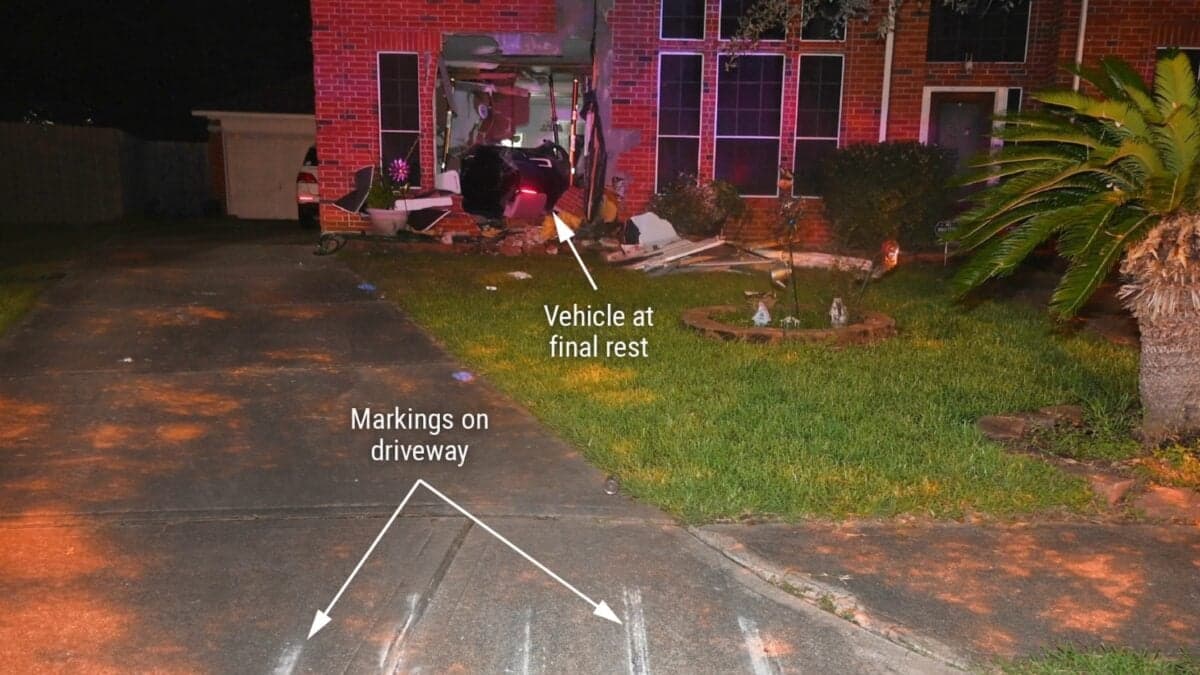
NTSB says Texas Tesla was at full throttle in fatal crash
That could matter more than the headline suggests. Today, in-car voice assistants operate by each brand’s own rules: some handle natural speech well, some require near-exact phrasing, and others still struggle with basic commands. A state standard would typically establish a minimum reliability threshold, test scenarios, and terminology that electronics suppliers, automakers, and certification labs can use.
Globally, carmakers have long treated voice as part of the digital cockpit. Mercedes-Benz offers MBUX with “Hey Mercedes,” BMW promotes its Intelligent Personal Assistant, and Apple and Google bring Siri and Google Assistant into vehicles through CarPlay and Android Auto. In Russia, the focus is different: standardizing the baseline safety and recognition-quality requirements, not a branded interface.
The push also reflects market conditions. According to analysts cited by the source, sales of new passenger cars in Russia grew again in 2024 and 2025, driven in part by models with richer electronics, while Chinese brands have made large screens and voice control almost standard in the mid-range segment. If the standard is completed on schedule, by 2029 it could underpin certified voice platforms in locally produced vehicles, telematics, and connected transport services.

Frontier Editor
Dan is our resident futurist, covering electric mobility, space exploration, and the smart home. He's interested in atoms just as much as bits. Whether it's a new battery chemistry, a reusable rocket, or a protocol that finally makes IoT devices talk to each other, Dan breaks down the engineering that pushes humanity forward.
via ITzine