• 2 min read
Russian university builds 10 kg agri-drones for farms
NCFU says its new copter-type agricultural drones can carry 10 kg and fly 10 km, with serial production being prepared on its own assembly base.
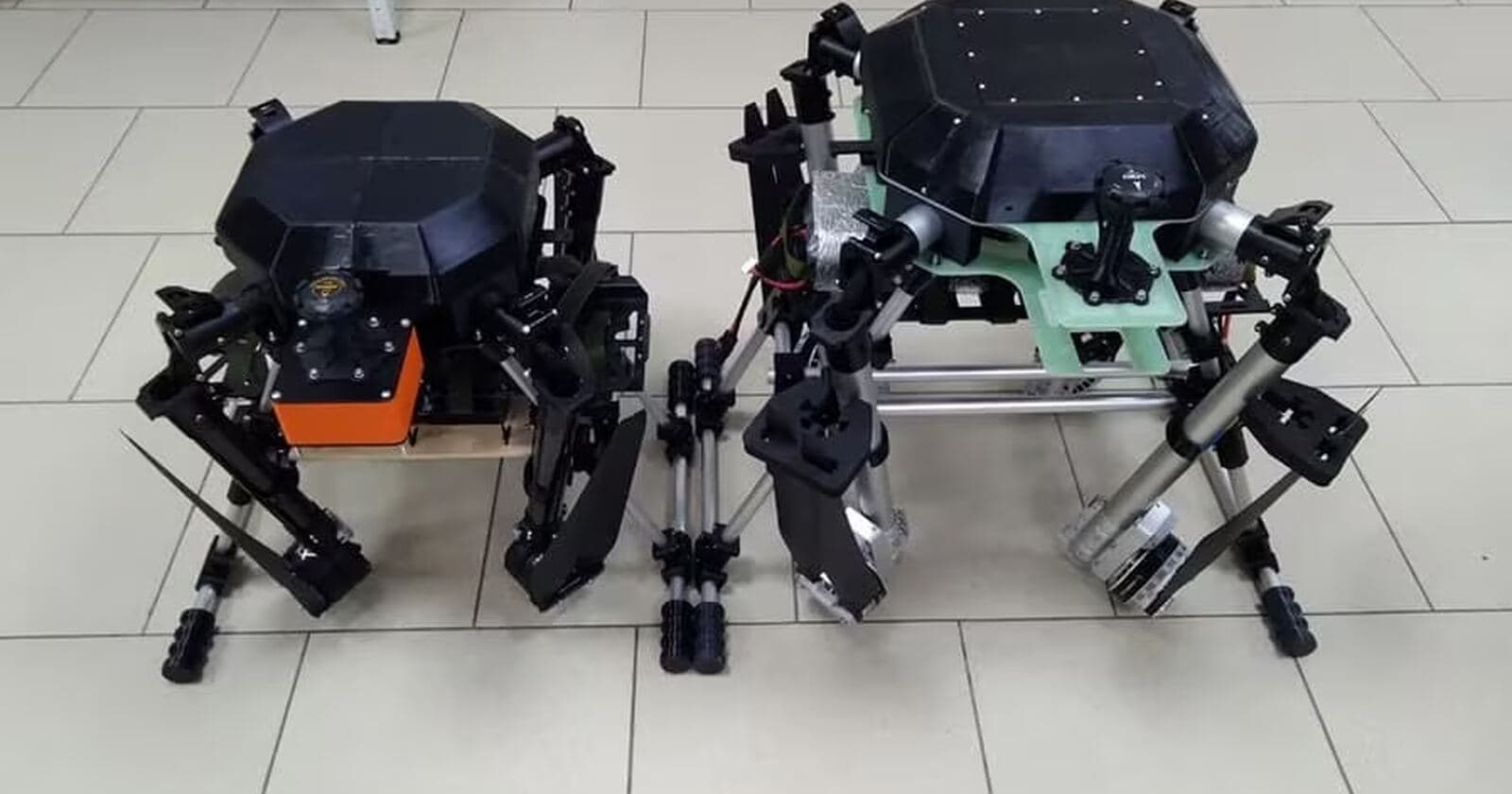
Image: ITzine
Engineers at North Caucasus Federal University (NCFU) have developed a line of copter-type agricultural drones designed to carry up to 10 kg and fly as far as 10 km. The project is being developed with specialists from the Center for New Solutions and Stilsoft.
According to the university, this is not just a one-off prototype. NCFU says it has built a full platform with complete design documentation and a tuned assembly process on its own production base, and that prototype units have already been tested.
The drones are intended for two standard agricultural jobs: monitoring soil and crops and applying fertilizers. NCFU’s press service says the software can be reconfigured quickly for different scenarios and, if needed, the autopilot can also be modified.

Recommended reading
Russia targets 2028 car voice-control standard
For Russian customers, the bigger issue is not only flight performance but whether the drones can be produced repeatedly, serviced without unnecessary complexity, and updated reliably. The university says it has prepared the full documentation set and launched production using its own facilities.
By specification, the NCFU system sits in the compact agri-drone class. The article notes that DJI Agras T25 and T50 handle much larger payloads, but they also cost more, and supply and service in Russia remain a separate issue.
Demand in Russia is increasingly shifting toward locally assembled platforms, as the country continues its national project for developing unmanned aviation systems, and regions step up procurement of drones for civilian use, including agriculture. The next step for the NCFU team is to bring the platform to a stable serial configuration and prove its economics in real farm operations. If it can demonstrate service life, reliability, and workable maintenance, the drone could find a place between heavy imported agricultural copters and lighter systems built only for monitoring.

Frontier Editor
Dan is our resident futurist, covering electric mobility, space exploration, and the smart home. He's interested in atoms just as much as bits. Whether it's a new battery chemistry, a reusable rocket, or a protocol that finally makes IoT devices talk to each other, Dan breaks down the engineering that pushes humanity forward.
via ITzine